
Phi Phi Islands
Twin limestone islands where jungle cliffs meet water so clear it looks fake.
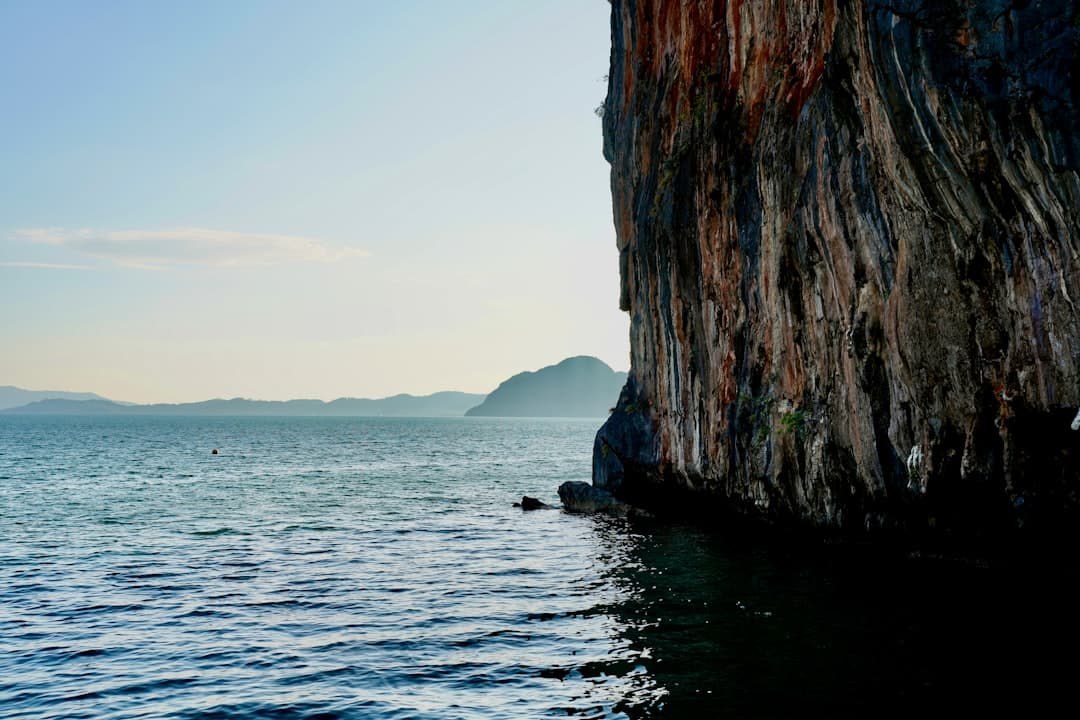
The Phi Phi Islands are a small archipelago about 45 kilometers southeast of Phuket and 18 kilometers from Krabi, sitting in the Andaman Sea and technically administered by Krabi Province. The group is anchored by two main islands — Phi Phi Don, the only inhabited one, and Phi Phi Leh, an uninhabited reserve most famous as the location of Maya Bay, the beach that appeared in the 2000 film The Beach. The islands rose to global tourism prominence because of that film, but what draws people is entirely real: dramatic karst limestone cliffs plunging into water that shifts from turquoise to deep emerald depending on the light, coral reefs that still hold substantial marine life, and a topography so visually striking it feels exaggerated.
On Phi Phi Don, most activity centers around Tonsai Village, the flat isthmus connecting two hillsides — essentially a busy strip of guesthouses, dive shops, restaurants, and bars that gets loud after dark. But the real experience of Phi Phi is on the water. You snorkel or dive at sites like Shark Point or Hin Daeng, kayak into sea caves, take longtail boats to quieter beaches like Loh Moo Dee or Loh Sama Bay, and join the crowd at Maya Bay, which reopened in 2022 after a four-year environmental closure with a no-anchoring policy and visitor limits now in place. Viking Cave on Phi Phi Leh — where swiftlet nests are harvested for bird's nest soup — is another stop on most boat tours.
The practical reality of Phi Phi is that it has become very crowded, particularly between November and April, and Tonsai at peak season can feel genuinely chaotic. Arriving early by speed boat from Phuket's Rassada Pier or Ao Nang in Krabi means beating tour boats to Maya Bay. If you can stay overnight on Phi Phi Don, you get the islands mostly to yourself after the day-trip boats leave in the afternoon — the light on the cliffs at dusk is extraordinary. Staying on the island also means you can reach the viewpoint above Tonsai, a steep 20-minute climb that delivers one of the genuinely great panoramic views in Southeast Asia.