
Phnom Kulen
Siem Reap / Phnom Kulen

Phnom Kulen

The sacred mountain where the Khmer Empire was born, wrapped in jungle and waterfalls.

🏛️ Sights & Landmarks🌿 Nature & Outdoors🎯 Activities & Experiences
🧗 Adventurous👨‍👩‍👧 Family-friendly🎭 Cultural🗺 Off the beaten path

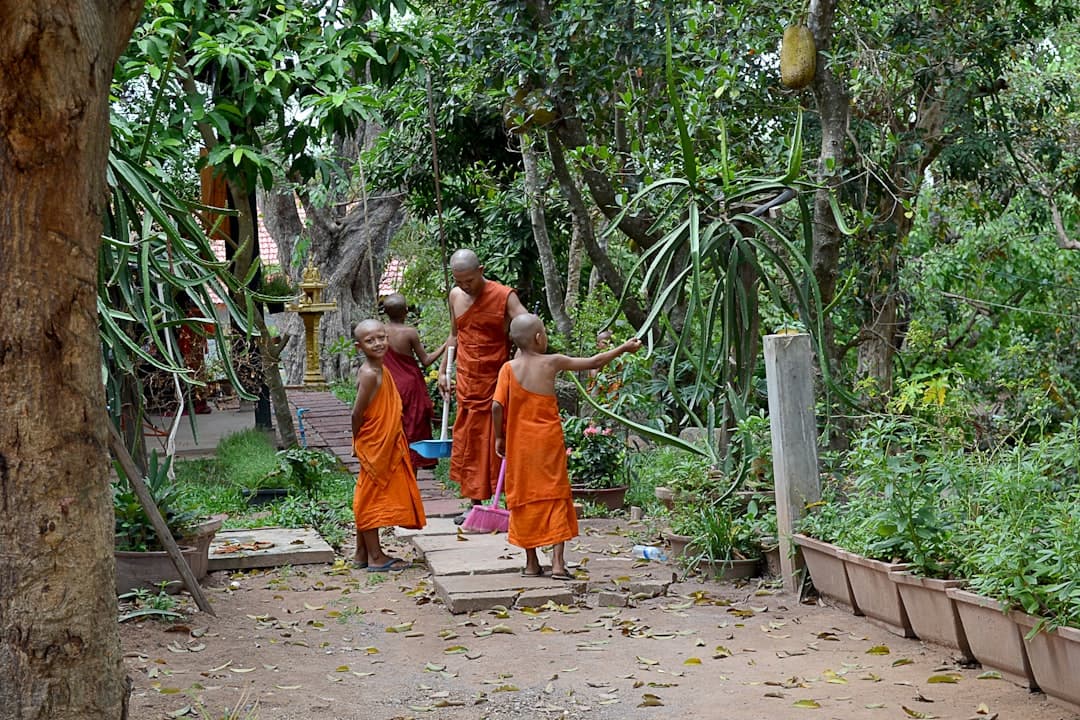
Phnom Kulen is a forested sandstone plateau about 50 kilometers northeast of Siem Reap, and it holds a significance that most visitors don't fully appreciate until they're standing on it. This is the mountain where, in 802 AD, King Jayavarman II declared himself a universal god-king and launched the Khmer Empire — the civilization that would go on to build Angkor Wat. The entire plateau is considered sacred ground by Cambodians, and it remains an active pilgrimage site today, meaning the experience here is genuinely different from the more tourist-polished temples in the Angkor Archaeological Park.

The main draws are a handful of remarkable sites spread across the plateau. The river of a thousand lingas — called Kbal Spean — runs nearby, but Phnom Kulen itself has its own carved riverbed where ancient stone phalluses and Hindu deities are etched directly into the streambed, blessing the water before it flows down to irrigate the rice fields of the Khmer heartland. A reclining Buddha carved from a single massive rock sits atop a small temple at the summit, and two waterfalls — one large and dramatic, one quieter — offer a chance to swim in the jungle. There are also early Angkor-era temple ruins scattered across the mountain, some only partially cleared.

The road up is steep, single-lane in places, and controlled by a checkpoint — you pay a separate entry fee here on top of any Angkor pass, and the mountain is off-limits to foreigners on certain Buddhist holidays when it becomes a major Cambodian pilgrimage day. Go early on a weekday to beat both the heat and the weekend crowds. Hiring a knowledgeable local guide makes a real difference here since the historical and religious context is layered and easy to miss if you're just wandering.

Local Tips

  1. 1

    Phnom Kulen has a separate entrance fee paid at the base of the mountain — it is not included in the standard Angkor Archaeological Park pass, so budget for this extra cost.

  2. 2

    The mountain road is one-way at certain times and very narrow in sections — if you're driving yourself, take it seriously, and consider a driver who knows the route.

  3. 3

    Bring cash for food stalls near the waterfall — there are simple Khmer restaurants on the plateau that are perfectly good for lunch, but there are no ATMs up here.

  4. 4

    The carved riverbed (the linga carvings in the streambed) is best seen in the dry season when water levels are low enough to clearly see the carvings — in peak wet season, you may see very little.

When to Go

Best times
November to February

Cool, dry season makes the steep road and forest hiking much more comfortable. Waterfalls are still flowing well from the wet season rains.

June to October

Wet season brings lush green jungle and full, dramatic waterfalls, but the road can become treacherous and muddy, and visibility of the carved riverbeds may be reduced by high water.

Try to avoid
Cambodian Buddhist holidays and weekends

The mountain becomes a major domestic pilgrimage site on certain religious holidays and Khmer New Year — access for foreigners may be restricted and crowds are intense.

Midday (11am–2pm)

Heat on the exposed summit and open areas is punishing. Arrive by 7–8am to explore in cooler conditions and beat tour groups from Siem Reap.

Why Visit

01

Swim beneath a jungle waterfall on the mountain where the Khmer Empire officially began in 802 AD — history and nature in the same afternoon.

02

See an ancient riverbed carved with thousands of Hindu symbols still submerged in flowing water, a living sacred site rather than a roped-off ruin.

03

Experience Cambodia as Cambodians experience it — Phnom Kulen is a pilgrimage destination, not a tourist circuit, and the atmosphere reflects that.