
Plaka
Athens / Plaka

Plaka

Athens' oldest neighborhood, layered with 2,500 years of overlapping history.

🛍️ Shopping🏛️ Sights & Landmarks🍽️ Food & Drink🎯 Activities & Experiences🏘️ Neighborhoods
🍽 Foodie👨‍👩‍👧 Family-friendly🎭 Cultural🌹 Romantic

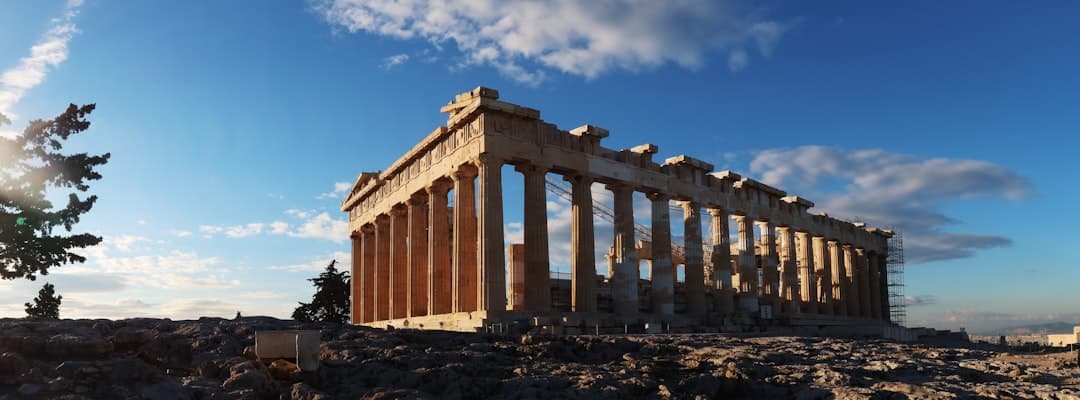
Plaka is the historic heart of Athens — a dense, winding neighborhood draped across the northern and eastern slopes of the Acropolis hill. It's one of the few areas of the city that survived Ottoman rule, Greek independence, and decades of modernization largely intact, leaving behind a labyrinth of neoclassical mansions, Byzantine churches, and narrow stone streets that date back centuries. For most visitors, Plaka is their first real encounter with Athens at a human scale, somewhere between a living museum and a working neighborhood.

Walking through Plaka means stumbling across genuine archaeological sites between tavernas and souvenir shops — the Monument of Lysicrates, the Roman Agora, the Tower of the Winds, the tiny Byzantine church of Agios Nikolaos Rangavas. The Anafiotika quarter, tucked into the upper reaches, is genuinely otherworldly: a cluster of whitewashed Cycladic-style houses built by workers from the island of Anafi in the 19th century, perched improbably on the hillside with cats sleeping on every step. The neighborhood rewards slow walking and wrong turns more than any map.

Plaka is undeniably touristy — Adrianou Street in particular is an unbroken parade of tourist shops — but the trick is to get above it, into the quieter lanes toward Anafiotika, or to time your visit for the late evening when the tour groups thin out and the tavernas fill with a better mix of locals and travelers. Dinner at one of the traditional restaurants near Mnisikleous Street, with the Acropolis lit up overhead, is one of those Athens experiences that's become a cliché precisely because it's so reliably good.

Local Tips

  1. 1

    Avoid Adrianou Street for food — it's the main tourist drag and the tavernas there are almost uniformly overpriced and mediocre. Head one or two streets back for noticeably better options.

  2. 2

    Anafiotika is best explored on foot without a map. Enter from the steps near Agios Georgios church and just wander upward — you'll find it, and getting slightly lost is half the point.

  3. 3

    The Monument of Lysicrates and the Tower of the Winds are genuine ancient monuments that most visitors walk straight past because they're not behind a ticket barrier. Stop and actually look at them.

  4. 4

    If you're heading to the Acropolis Museum, consider visiting Plaka afterward rather than before — you'll read the streets and ruins completely differently once you've seen what's in the museum.

When to Go

Best times
Late afternoon to evening (year-round)

The best time to visit — crowds thin, temperatures drop, the Acropolis lights up, and restaurants come alive. The neighborhood genuinely transforms after 7pm.

April–May and October

Ideal weather for walking — warm but not brutal — and noticeably fewer tourists than summer. The light is also exceptional for photography.

Try to avoid
July–August

Extreme heat and peak tourist crowds make midday walking genuinely unpleasant. The narrow streets offer little shade and temperatures regularly exceed 35°C.

August midday

Many smaller shops and some restaurants close during the afternoon heat. Plan accordingly if you want to shop or eat lunch.

Why Visit

01

Walk streets that have been continuously inhabited since ancient times, with Roman ruins, Byzantine churches, and Ottoman-era architecture all within a few blocks of each other.

02

The Anafiotika quarter — a hidden pocket of Cycladic island village transplanted onto the Acropolis hillside — feels like a secret even when you already know it's there.

03

The best views of the illuminated Acropolis from street level are right here, especially from the upper lanes at dusk when the light turns everything gold.