
Cape Sounion
Athens / Cape Sounion

Cape Sounion

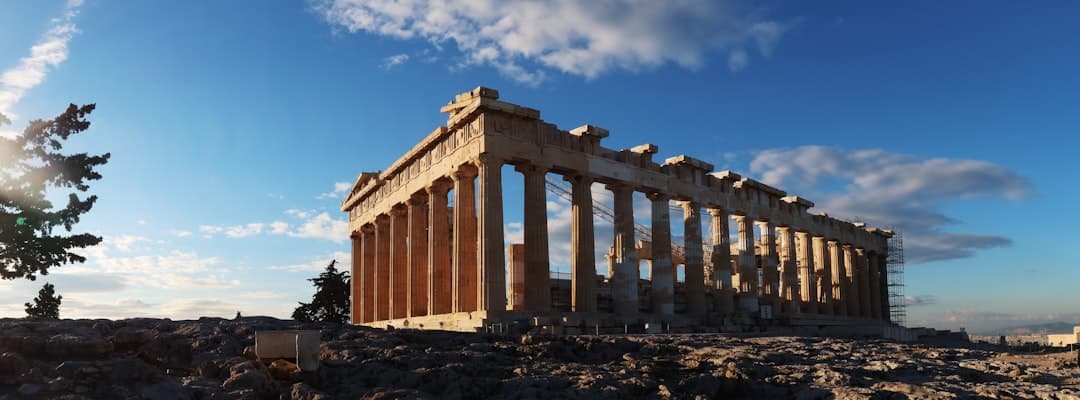
Ancient temple ruins on a dramatic clifftop, facing the open Aegean.

🏛️ Sights & Landmarks🌿 Nature & Outdoors🎭 Arts & Entertainment
🧗 Adventurous🎭 Cultural🌹 Romantic

Cape Sounion is a headland at the southern tip of the Attica peninsula, about 70 kilometres from Athens, where the ancient Greeks built a temple to Poseidon — god of the sea — around 444 BCE. The site made obvious sense: sailors leaving or returning to Athens would have spotted those columns from miles out at sea, a landmark and a prayer rolled into one. Today, 15 of the original 34 Doric columns still stand on the promontory, rising from bare white rock above a 65-metre cliff drop to the Aegean. Lord Byron carved his name into one of the columns in the early 19th century — the graffiti is still visible, which is either romantic or appalling depending on your view.

The experience is straightforward and deeply satisfying. You walk up through the fenced archaeological site to the temple itself, which commands a 270-degree view of the sea. On clear days you can see the islands of Kea and Kythnos on the horizon. The ruins aren't extensive — this isn't the Acropolis — but the drama of the setting does most of the heavy lifting. Wind is almost always present, the light off the water is extraordinary, and at sunset the columns turn amber and gold while the sea below shifts through every shade of blue. There's also a smaller, less-visited Temple of Athena a short walk to the east, worth a look if you want five minutes of relative solitude.

The site is about a 90-minute drive or a 2-hour bus ride from central Athens. The KTEL bus from the Pedion Areos terminal runs regularly and is cheap and easy. Most visitors come for the sunset, which means the crowds peak in the late afternoon. Come earlier in the day — mid-morning on a weekday — and you may have the place nearly to yourself. There's a café and a restaurant near the entrance, both trading on the view rather than the food, but a cold drink while staring at the Aegean is never the wrong call.

Local Tips

  1. 1

    Byron's name is carved into the base of a column on the north side — ask a guard to point it out, it's easy to miss without knowing where to look.

  2. 2

    The Temple of Athena Sounias, a short walk east of the main temple, is rarely visited and gives you a moment of quiet that's hard to find at the Poseidon temple at peak times.

  3. 3

    The KTEL bus from Athens (Pedion Areos stop, near Areos Park) is reliable, affordable, and more relaxing than driving the winding coastal road yourself — the route along the Apollo Coast is scenic in itself.

  4. 4

    If you're driving, the road hugs the coast south from Athens — stop at one of the beach towns like Lagonissi or Anavissos on the way back for a swim and a meal, and the half-day becomes a full one in the best possible way.

When to Go

Best times
April–June

Spring is the sweet spot — warm, clear skies, the landscape is still green, and crowds are manageable. Light is beautiful all day.

Sunset (year-round)

The late afternoon golden hour is spectacular but attracts the largest crowds of the day. Arrive at least an hour before sunset to get settled.

October–November

Autumn light is exceptional, the crowds drop sharply after summer, and temperatures are comfortable for walking the exposed site.

Winter weekdays

The site is open year-round and nearly empty in winter, though strong winds on the exposed headland can be brutal. Check hours, which shorten in low season.

Try to avoid
July–August

Peak summer brings intense heat on exposed rock with little shade, and sunset crowds can be heavy. Visit early morning if coming in summer.

Why Visit

01

One of the best-preserved ancient Greek temples in the world, set on a cliff with sweeping sea views that haven't changed in 2,500 years.

02

The sunset here — golden columns against a darkening Aegean — is genuinely one of the great visual experiences in Greece.

03

It's an easy and rewarding half-day escape from Athens, combining archaeology, coastline, and the feeling of being at the edge of the ancient world.