
Acropolis Museum
The world's finest showcase for ancient Greek sculpture, built to reunite a fractured masterpiece.
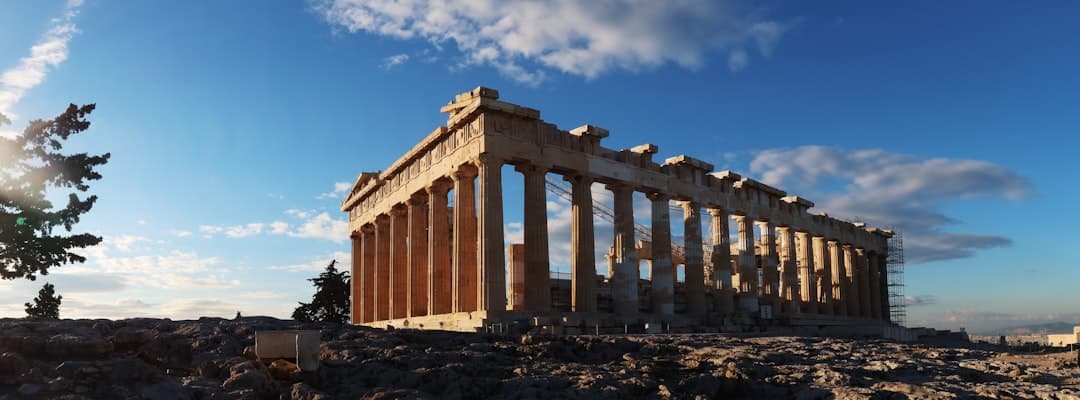
The Acropolis Museum sits at the foot of the rocky hill it celebrates, purpose-built in 2009 to house the surviving sculptures and artifacts from the Parthenon and the broader Acropolis site. It's one of the most important archaeology museums in the world — not because of size, but because of focus and ambition. The building was designed by Swiss-American architect Bernard Tschumi with a deliberate axis aligned to the Parthenon itself, so the top-floor Parthenon Gallery is oriented exactly as the original temple was. The museum is also, quietly, a political statement: Greece built it partly to strengthen its case for the return of the Elgin Marbles, roughly half of the Parthenon's surviving frieze, which have been held in the British Museum since the early 19th century. Gaps in the frieze displays are left intentionally empty, waiting.
You move through three main levels. The ground floor Archaic Gallery introduces you to the kore and kouros statues — stiff, smiling figures that feel almost Egyptian — before the collection opens up to the extraordinary Caryatids on the middle floor, the six draped female figures that once held up the porch of the Erechtheion. Five are here (one is in London). The top floor is the payoff: a continuous wraparound gallery of the Parthenon frieze, metopes, and pediment sculptures, arranged in sequence so you can walk the full narrative. Half the panels are original marble; the rest are white plaster casts representing what's missing or abroad. It's haunting and magnificent in equal measure. Crucially, the Parthenon itself is visible through the floor-to-ceiling glass walls the whole time.
Friday evenings are the insider move — the museum stays open until 10pm, the crowds thin considerably after 7pm, and the Parthenon is lit up dramatically outside. The ground floor is built over an active archaeological excavation visible through glass floors, which adds a strange, layered thrill even before you reach the main galleries. Skip the audio guide if you're pressed for time and buy the excellent printed guide instead — it's cheaper and you can take it home. The rooftop restaurant has genuine views of the Acropolis and is worth a coffee even if you skip the meal.