Picasso Museum
Five medieval palaces now house Picasso's formative years, brilliantly told.
The Museu Picasso in Barcelona holds one of the most important collections of Pablo Picasso's early work anywhere in the world — and it does so in a setting that would be worth visiting even if the walls were blank. The museum occupies five interconnected Gothic palaces on Carrer de Montcada, one of the most beautiful medieval streets in the city, and the contrast between the stone courtyards and the bold canvases inside is genuinely striking. Picasso lived in Barcelona as a teenager and young man, and this city shaped him before Paris made him famous — understanding that makes the collection feel less like a museum and more like an origin story.
The permanent collection runs roughly chronologically, starting with academic paintings Picasso made as a teenager that are almost shockingly accomplished — he was clearly exceptional before he was revolutionary. The collection then traces his evolution through the Blue Period and beyond, but the real centrepiece is Las Meninas, a suite of 58 paintings Picasso made in 1957 as a riff on Velázquez's famous original. Watching how he dismantles and rebuilds that single image across dozens of canvases is one of the most instructive things you can do to understand how his mind worked. The medieval architecture of the palaces — the courtyard of the Palau del Baró de Castellet, the Gothic staircases — adds a layer of atmosphere that a purpose-built museum simply can't replicate.
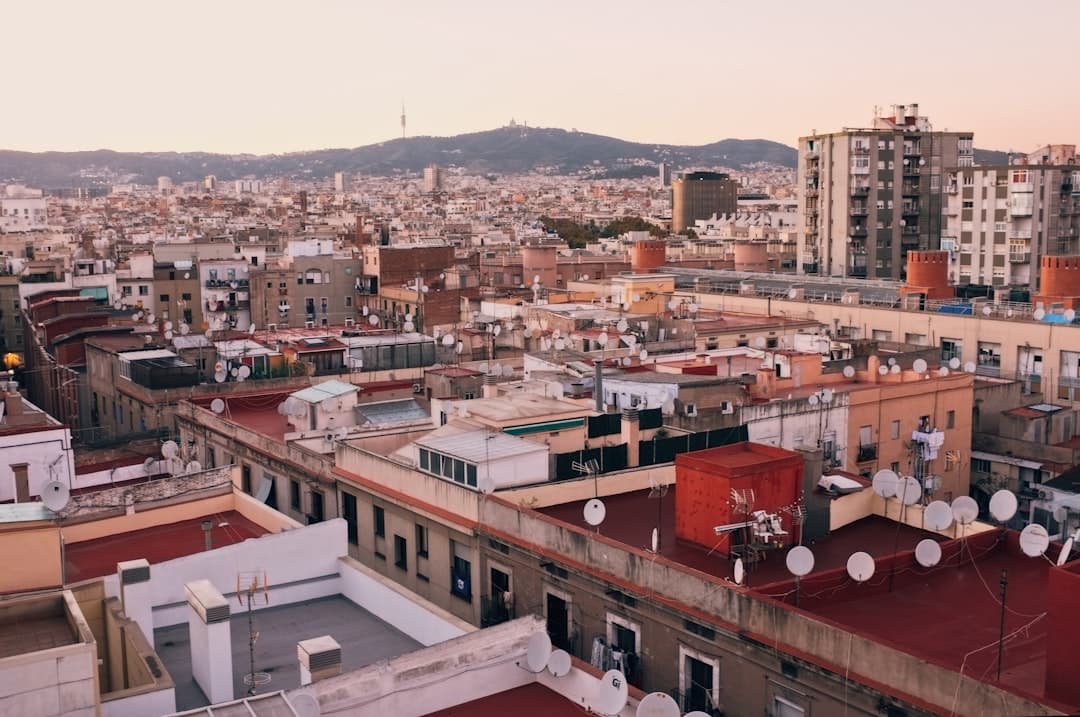
Carrer de Montcada runs through the El Born neighbourhood, which is one of the most rewarding parts of Barcelona to explore on foot. Pre-booking online is strongly advised, especially in summer — the museum draws over a million visitors a year and queues without a ticket can be punishing. Thursday evenings offer extended hours and tend to be quieter than weekend afternoons. The first Sunday of every month is free entry, which sounds appealing but also means it's exceptionally crowded.