
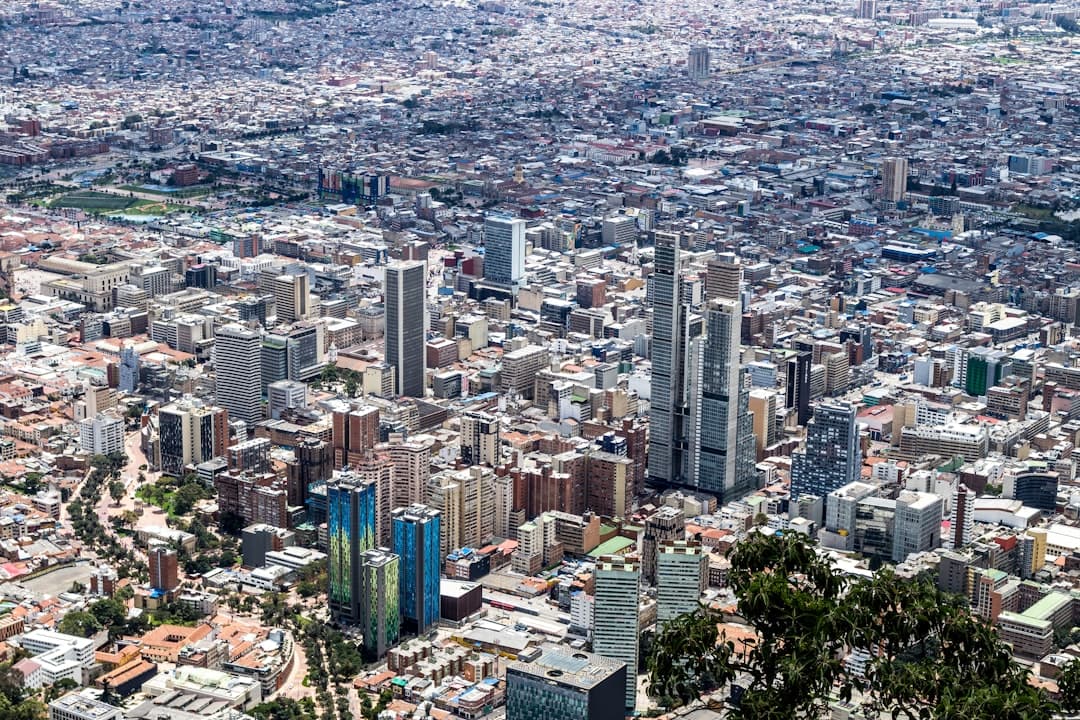
Plaza de Bolívar
Bogotá / Plaza de Bolívar

Plaza de Bolívar

The beating civic heart of Colombia, ringed by centuries of history.

🏛️ Sights & Landmarks🏘️ Neighborhoods
👨‍👩‍👧 Family-friendly🎭 Cultural

Plaza de Bolívar is the founding square of Bogotá — a vast, open cobblestone plaza in the historic La Candelaria neighborhood that has been the political and symbolic center of Colombia since the city was established in 1538. Named after Simón Bolívar, the liberator of much of South America, the square is flanked by four of the country's most powerful institutions: the Colombian Capitol building, the Palace of Justice, the Liévano Palace (Bogotá's city hall), and the Primada Cathedral, the largest church in Colombia. Together they form one of the most architecturally and historically significant public squares on the continent.

In practice, the plaza is a living public space rather than a roped-off monument. On any given day you'll find pigeons in absurd numbers, school groups on field trips, street vendors selling arepas and fresh fruit, and Bogotanos cutting through on their lunch break. The Primada Cathedral is worth stepping inside — it's been rebuilt several times since the 16th century and the current neoclassical structure is genuinely impressive. The Capitol building hosts the Colombian Congress and can sometimes be visited. The square itself hosts major national events, protests, concerts, and celebrations — if something important is happening in Colombia, there's a good chance it's happening here.

The plaza is free to enter and open around the clock, though daytime is clearly the time to visit. Come on a weekday morning to catch the square at its most animated without peak weekend crowds. The surrounding streets of La Candelaria — Colombia's oldest urban neighborhood — are full of colonial architecture, street art, small museums, and cheap set-lunch spots, so build extra time into your visit to explore on foot. Keep an eye on your belongings as you would in any busy city-center square.

Local Tips

  1. 1

    The Palacio de Justicia on the north side is a relatively modern building — the original was destroyed in the tragic 1985 siege and subsequent fire, one of the darkest episodes in Colombian history, which adds heavy context to what looks like a plain government building.

  2. 2

    Look up at the rooflines and facades rather than just straight ahead — the architectural detail on the Capitol building in particular rewards a closer look.

  3. 3

    Combine the plaza with the nearby Gold Museum (Museo del Oro), just a short walk north — it's one of the best museums in Latin America and gives the plaza's history far richer context.

  4. 4

    Street food around the plaza is cheap and good — look for vendors selling obleas (thin wafer sandwiches with arequipe) and fresh fruit cups with salt, lime, and chili, a very Bogotano snack.

When to Go

Best times
December–January

The plaza hosts major public celebrations and Christmas lighting events, making it especially lively and atmospheric in the evenings.

Morning (8–11am)

Light is best for photography, crowds are manageable, and the surrounding museums and cathedral open fresh for the day.

Try to avoid
April & October

Bogotá's two main rainy seasons — afternoons can bring heavy showers that make lingering in an open cobblestone square uncomfortable.

Why Visit

01

Stand at the geographical and symbolic center of Colombian history, surrounded by the buildings that have shaped the country's political life for centuries.

02

The architectural lineup around the square — a cathedral, congress, city hall, and court of justice — is genuinely stunning and all within a single eyeline.

03

It's a portal into La Candelaria, Bogotá's oldest and most walkable neighborhood, packed with street art, colonial buildings, and great cheap food just steps away.