Praça do Comércio
Lisbon / Praça do Comércio

Praça do Comércio

Lisbon's grand riverside square where the city meets the Tagus.

🏛️ Sights & Landmarks🎯 Activities & Experiences
🌿 Relaxing🎭 Cultural🌹 Romantic

Praça do Comércio is the great ceremonial heart of Lisbon — a massive, arcaded square that opens directly onto the Tagus river on one side and the grid of the Baixa district on the other. It was built in the mid-18th century as part of the Marquis of Pombal's radical reconstruction of the city after the 1755 earthquake flattened much of Lisbon. For centuries this was where goods from the colonies arrived, where kings made their entrances by boat, and where the first shot of the 1908 assassination of King Carlos I was fired. Locals still sometimes call it Terreiro do Paço — Palace Square — a reference to the royal palace that stood here before the earthquake destroyed it.

Today the square is vast, open, and genuinely breathtaking in scale. The triumphal arch at the far end — the Arco da Rua Augusta — frames the main commercial street of Baixa perfectly, and the bronze equestrian statue of King José I dominates the centre. The arcaded colonnades that wrap three sides of the square are painted a distinctive ochre yellow and house restaurants, the Lisboa Story Centre museum, and the famous Café Martinho da Arcada, which claims to be Lisbon's oldest café and was a haunt of poet Fernando Pessoa. Most importantly, the southern edge simply opens to the water with no barrier — you walk straight to the river's edge, where ferries depart for the southern banks.

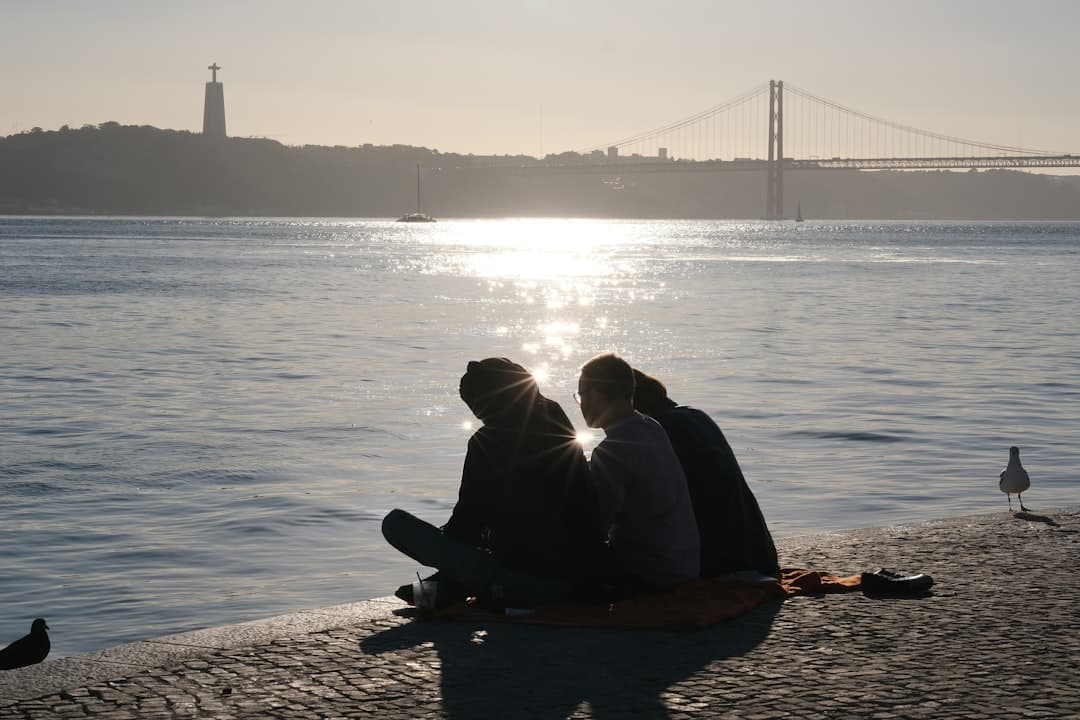
The square itself is always free and open, which makes it easy to linger or simply pass through. Come in the early morning when it's nearly empty and the light on the Tagus is extraordinary. The steps down to the river are a favourite spot for locals to sit with a beer at sunset. If you want to go up inside the Arco da Rua Augusta for rooftop views over the square and the river, you'll need to buy a ticket — it's worth it. Avoid the restaurants directly under the arcades for meals; they trade heavily on location and the value-for-money is poor compared to one block inland.
Local Tips

  1. 1

    The Arco da Rua Augusta has a rooftop viewing platform with some of the best vantage points in Baixa — it's ticketed but cheap, and far less crowded than the Miradouros up in Alfama.

  2. 2

    Café Martinho da Arcada (est. 1782) is worth a coffee for the history alone — Fernando Pessoa was a regular — but eat elsewhere. The food is overpriced for what it is.

  3. 3

    The Transtejo ferries from the quay on the southern edge of the square cross to Cacilhas on the opposite bank — it's a 10-minute ride that costs about €1.30 and gives you some of the best views of Lisbon's skyline you can get.

  4. 4

    Skip the restaurants directly under the yellow arcades — they are among the most tourist-targeted spots in the city. Walk one or two blocks into Baixa and the quality and value improve immediately.

When to Go

Best times
Early morning, year-round

Before 9am the square is nearly empty and the light on the river and the ochre arcades is at its best. It's one of the rare moments you can feel the full scale of the place without navigating tour groups.

October–November

Autumn brings mild temperatures, manageable crowds, and golden afternoon light that suits the square's warm tones well. One of the best times to be in Lisbon generally.

Sunset, spring and summer

The steps down to the river become a popular local gathering spot at dusk — grab a beer from a nearby shop and join the crowd watching the sun go down over the Tagus. It's genuinely lovely.

Try to avoid
June–August

Summer brings intense heat and serious tourist crowds, and the open square offers almost no shade. Midday in July is brutal. Go early morning or close to sunset.

Why Visit

01

One of Europe's largest and most architecturally unified city squares, with a dramatic open view straight onto the Tagus river — there's nothing quite like the sensation of a city just ending at the water's edge.

02

It's the anchor point for understanding Lisbon's history — the earthquake, the Pombaline rebuild, the Portuguese empire, and a royal assassination all happened on this ground.

03

The arcades shelter Café Martinho da Arcada, reputedly Lisbon's oldest café and a real place with a real history, not a theme-park recreation.