
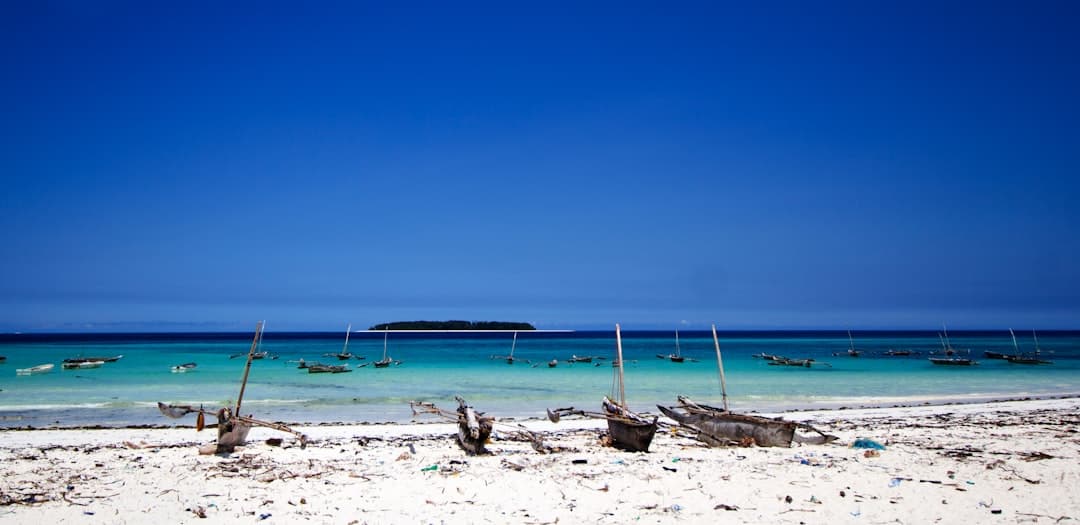
Prison Island
Zanzibar / Prison Island

Prison Island

Giant tortoises, coral reefs, and a surprisingly dark colonial history on one small island.

🏛️ Sights & Landmarks🌿 Nature & Outdoors🎯 Activities & Experiences
🧗 Adventurous👨‍👩‍👧 Family-friendly🎭 Cultural

Prison Island — officially called Changuu Island — sits about 5.5 kilometers northwest of Stone Town and packs an extraordinary amount of history and wildlife into a small strip of coral and forest. The British built a detention facility here in the 1860s, originally intended to hold rebellious slaves and later used as a quarantine station for ships arriving from plague-affected ports. It never actually functioned as a conventional prison for long, but the name stuck, and the ruins of the old holding compound are still visible on the island today.

The real draw now, alongside the history, is the colony of Aldabra giant tortoises that roam freely across the island's grounds. These animals — some of them over a century old and weighing well over 200 kilograms — were gifted to Zanzibar from the Seychelles in 1919 and have been breeding here ever since. You can walk right up to them, hand-feed them greens for a small fee, and generally have the kind of up-close wildlife encounter that feels impossible until it's happening. The surrounding reef is also excellent for snorkeling, with clear shallow water and healthy coral visible just off the beach.

The island is reached by a short dhow or motorboat trip from Stone Town's waterfront — operators cluster around the main ferry port and most visits are sold as half-day packages including boat transfer, entry, and sometimes snorkel gear. Go in the morning when light is better and it's less crowded. The beach and snorkeling are the weak link if you've been elsewhere in Zanzibar, but the tortoises and the melancholy atmosphere of those old stone walls make this genuinely worth the trip.

Local Tips

  1. 1

    Bring small bills in Tanzanian shillings or USD for the tortoise feeding fee — it's typically collected separately from the entry ticket and the handlers expect a tip.

  2. 2

    Negotiate your boat price before you step on board. Tour operators near the port range widely in what they charge; a fair rate for a return trip with entry is usually around $20–35 per person depending on group size.

  3. 3

    Don't skip the ruins at the back of the island. Most visitors spend all their time with the tortoises and miss the old quarantine buildings, which are genuinely atmospheric and largely unvisited.

  4. 4

    The snorkeling is best on the island's calmer leeward side — ask your boat captain to point you toward the better reef patches rather than just dropping in from the main beach.

When to Go

Best times
June to October (dry season)

Calmer seas make the boat crossing more comfortable and the snorkeling clearer. Best overall window for visiting.

Morning (before noon)

Fewer day-trippers, better light for photography, and the tortoises tend to be more active before midday heat sets in.

Try to avoid
March to May (long rains)

Rough seas can make the crossing choppy and some operators cancel trips. Snorkeling visibility drops significantly.

Why Visit

01

Get hands-on with Aldabra giant tortoises — some over 100 years old — in a surprisingly intimate, open-air setting with no barriers between you and them.

02

The ruins of the old slave detention compound and quarantine station give the island a layered, sobering history that most beach destinations completely lack.

03

The short boat ride from Stone Town is an experience in itself, and the snorkeling just off the island's beach adds a natural counterpoint to the historical weight.