
Port of Tel Aviv
Tel Aviv / Port of Tel Aviv

Port of Tel Aviv

A reimagined industrial port turned into Tel Aviv's liveliest waterfront playground.

🛍️ Shopping🎶 Nightlife🏛️ Sights & Landmarks🍽️ Food & Drink🎯 Activities & Experiences
🌿 Relaxing🍽 Foodie👨‍👩‍👧 Family-friendly🌹 Romantic

The Port of Tel Aviv — known locally as Namal Tel Aviv — is a revitalized waterfront district built on the site of the city's original commercial port, which operated from the 1930s until it was decommissioned in the 1960s. For decades the old warehouses and dock infrastructure sat largely idle, but a major redevelopment in the early 2000s transformed the area into one of the city's most popular destinations: a long wooden boardwalk flanked by restaurants, bars, boutique shops, a weekend farmers market, and open-air event spaces. The undulating timber promenade — a striking design element that references the waves of the Mediterranean just steps away — stretches along the northern seafront and gives the whole district a cohesive, relaxed energy that feels distinct from the busier stretches of beach further south.

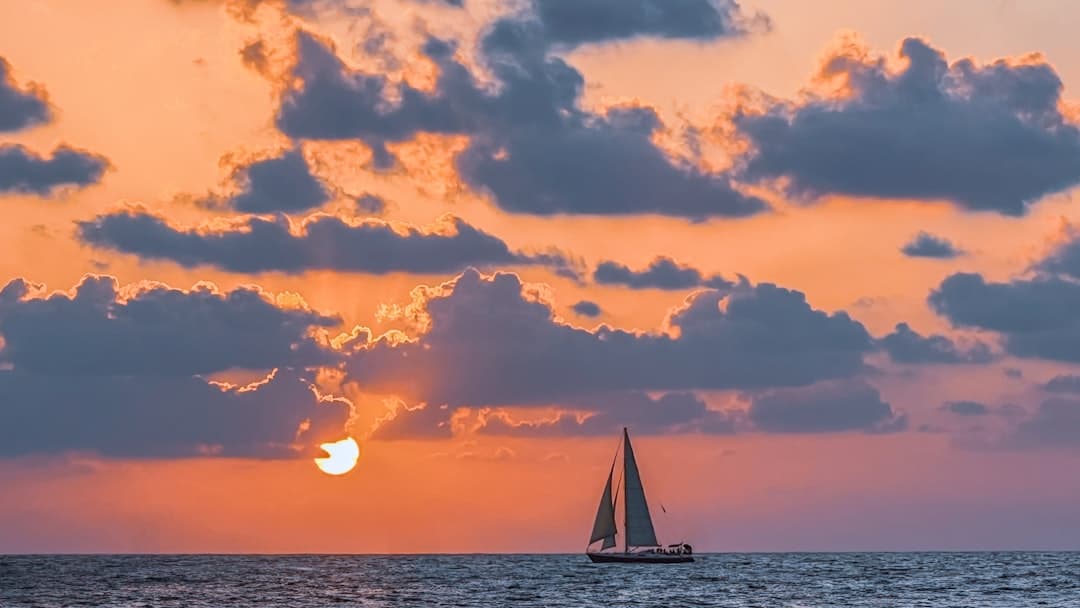
On any given day you can walk the boardwalk, grab a coffee at one of the seafront cafés, browse the Namal Market on Fridays and Saturdays (one of the best fresh produce and artisan food markets in the city), duck into the handful of independent fashion and design boutiques housed in the old port warehouses, or simply find a spot to watch the Mediterranean light go golden over the water. Come evening, the port shifts gears — restaurants fill up, bars get louder, and on summer weekends the outdoor spaces host live music and events that keep things going well into the night. The Hangar 11 and other performance venues here draw serious international acts.

The port is at the northern end of Tel Aviv's seafront, just above the Gordon Beach area, and is easily walkable from the Frishman or Gordon beach access points. It rewards a slow visit rather than a quick pass-through — build in time to eat, wander, and sit. Friday morning is the sweet spot for the market, which draws locals doing their weekend shopping alongside tourists. The area is family-friendly by day and tilts more adult by night, so timing shapes the experience considerably.

Local Tips

  1. 1

    The market on Friday mornings (roughly 8am–3pm) is the main event — go hungry and eat your way through it rather than treating it as a place to stock up for the week.

  2. 2

    Parking near the port is a nightmare on weekends. Take a taxi, use a ride-share app, or walk up the seafront promenade from central Tel Aviv — it's a pleasant 20-minute stroll.

  3. 3

    If you're visiting for dinner, the restaurants inside the old port warehouses tend to have better quality than the most visible waterfront spots — look beyond the first row of options facing the promenade.

  4. 4

    Check what's on at Hangar 11 before you visit — if there's a big concert night you want to catch (or avoid the crowds from), it's worth knowing in advance.

When to Go

Best times
Summer (June–September)

Peak season for outdoor events, live music, and nightlife. The boardwalk is buzzing but crowded; evenings are warm and social, making this the liveliest time to visit.

Friday mornings year-round

The weekly market is at its best before noon — vendors are fully stocked and the atmosphere is electric. After 1pm it gets very crowded and stock thins out.

Try to avoid
Midday in summer (12pm–4pm)

The open boardwalk offers little shade and Mediterranean summer heat is intense. Better to visit in the morning or from late afternoon onward.

Why Visit

01

The Friday and Saturday farmers market is one of the best in Israel — fresh produce, artisan cheeses, baked goods, and local street food all in one compact, lively space.

02

The waterfront boardwalk offers one of the most scenic places to eat or drink in Tel Aviv, with Mediterranean views and sea breezes that the city's inland restaurant strips simply can't match.

03

By night the port becomes one of the city's key live music and nightlife hubs, with large concert venues and open-air events running through the warm months.