
Playa Paraiso
Tulum / Playa Paraiso

Playa Paraiso

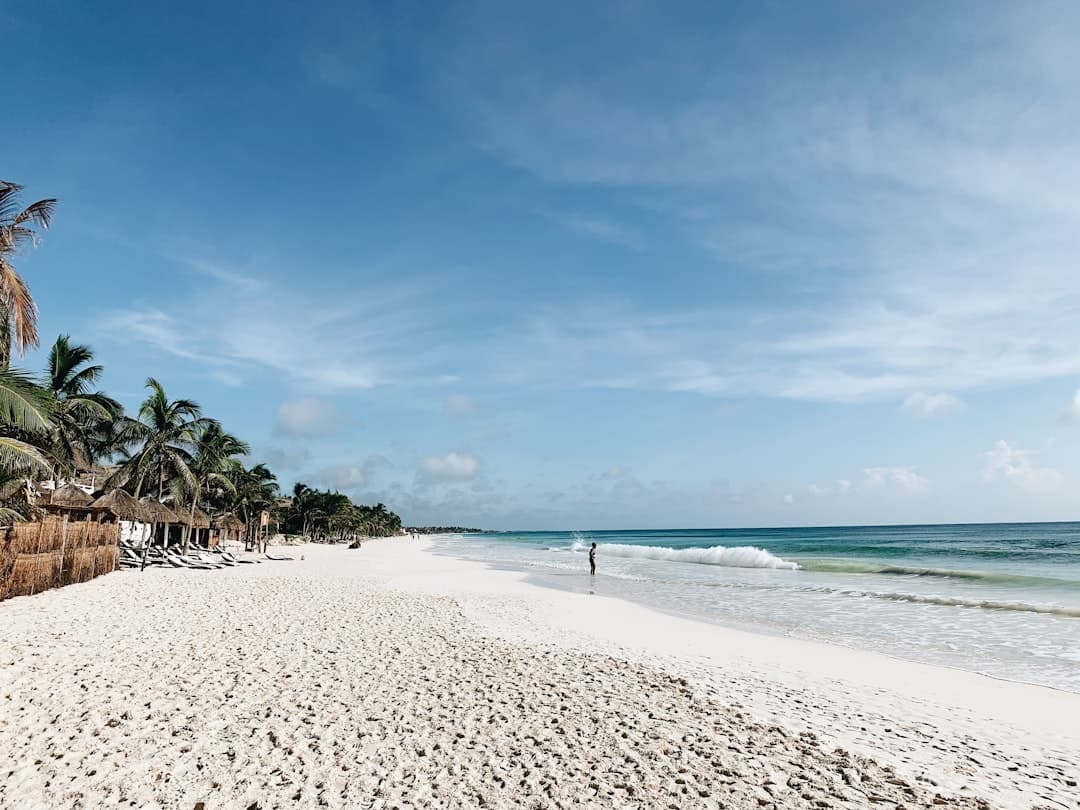
Turquoise Caribbean water framed by jungle palms and ancient ruins above.

🏛️ Sights & Landmarks🌿 Nature & Outdoors🎯 Activities & Experiences
🌿 Relaxing👨‍👩‍👧 Family-friendly🌹 Romantic

Playa Paraiso sits at the northern end of Tulum's beach strip, directly below the famous Mayan ruins that crown the clifftop above. It's consistently ranked among the most photographed beaches in Mexico, and for good reason — the combination of white-powder sand, shallow turquoise water, and the silhouette of a pre-Columbian temple on the bluff behind you is genuinely unlike anywhere else in the Caribbean. This is not a secret spot, but it earns its reputation honestly.

On the beach itself you'll find a stretch of calm, reef-protected water that's gentle enough for kids and non-swimmers — the waves here are mild compared to more exposed stretches further south. You can swim, snorkel, or simply lay out on the sand. Several palapa-style beach clubs and vendors operate along the shore, offering sunbeds, food, and drinks, though you can also park yourself on the free public sections. The ruins above are a separate ticketed site — if you haven't visited yet, the view from the beach looking up is almost as dramatic as the view from the top looking down.

The beach is at its best early in the morning, before the tour groups descend from the ruins. Come by 8am and you'll share the water with only a handful of people. By midday it can get genuinely crowded, especially during peak season. Parking is available nearby, and it's easily reached from the Zona Hotelera by bike — a flat, well-worn route that most hotels can point you to. The beach clubs along here (Paraiso Beach Club being the most established) charge for loungers but it's worth it for the shade and cold drinks in the afternoon heat.

Local Tips

  1. 1

    Arrive before 8am to beat the tour groups that pour down from the ruins site — the difference between 7:30am and 10am is night and day in terms of crowd levels.

  2. 2

    The free public section of beach sits to the north of the main beach clubs; you can set up there without paying for a sunbed, though shade is limited.

  3. 3

    Renting a bike from your hotel or a rental shop in town is the best way to get here — the road is flat, it takes about 15–20 minutes from town, and parking can be a headache in high season.

  4. 4

    If you plan to visit the ruins the same day, do the beach first in the early morning, then head up to the archaeological site before the midday heat makes the clifftop unbearable.

When to Go

Best times
December – February

Peak dry season with sunny skies and low humidity — ideal beach conditions, but expect the most crowds and highest prices.

Early morning (7–9am)

Tour groups from the ruins arrive mid-morning; getting there at opening means calmer water, cooler temperatures, and far fewer people.

Try to avoid
March – April (Spring Break)

Heavy influx of US visitors makes the beach very busy; book accommodation well in advance and expect a party-beach atmosphere.

June – October

Hurricane season brings occasional heavy rain and choppy water; July and August also see peak domestic tourism, making beaches crowded.

Why Visit

01

One of the only beaches in the world where you can swim beneath ancient Mayan ruins perched on a clifftop — the backdrop is completely surreal.

02

The water is shallow, clear, and calm — ideal for a long, lazy swim or snorkeling over the reef just offshore.

03

Early mornings here are genuinely magical, with golden light hitting the ruins and barely a soul on the sand.