
Bacalar Lagoon
Tulum / Bacalar Lagoon

Bacalar Lagoon

Seven shades of blue in a lagoon most travelers never find.

🏛️ Sights & Landmarks🌿 Nature & Outdoors🎯 Activities & Experiences
🧗 Adventurous🌿 Relaxing🌹 Romantic🗺 Off the beaten path

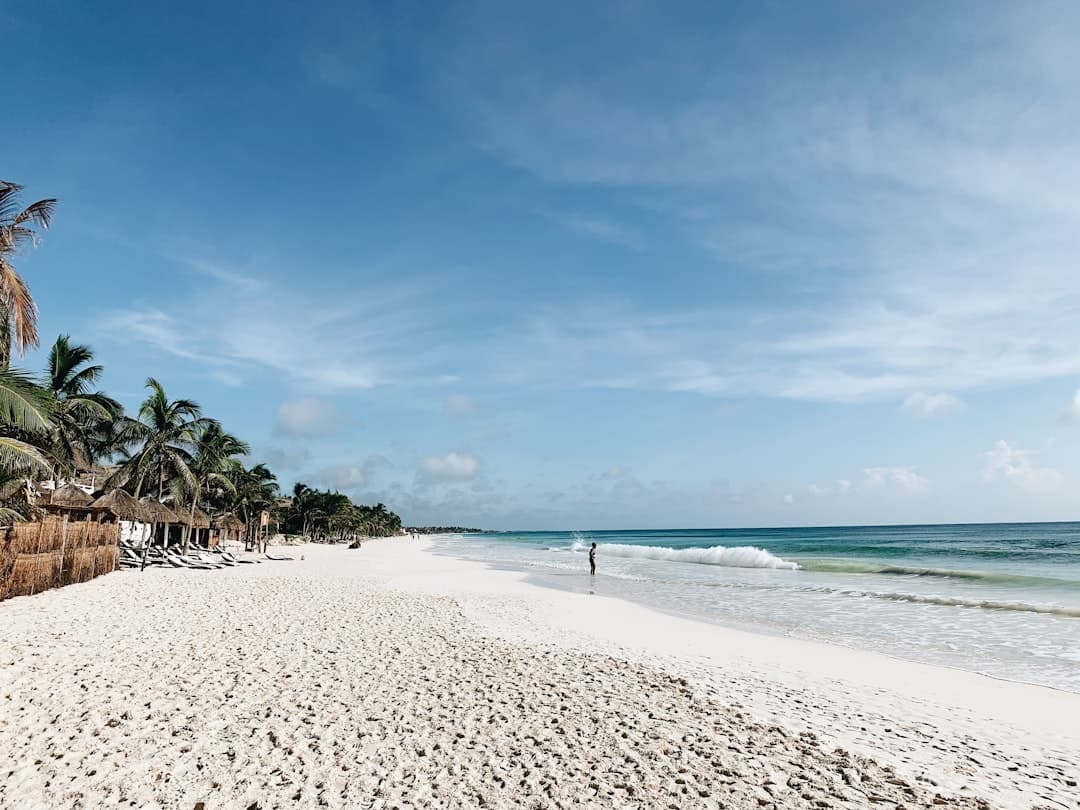
Bacalar Lagoon — officially the Laguna de los Siete Colores, or Lake of Seven Colors — is a 42-kilometer freshwater lagoon in the state of Quintana Roo, about two and a half hours south of Tulum. Fed by underground cenotes and surrounded by jungle, the water shifts through a genuinely astonishing spectrum: turquoise, teal, cobalt, and deep sapphire, all visible at once depending on depth and angle of light. Unlike the crowded Caribbean beaches to the north, Bacalar feels unhurried and genuinely alive — a place where pelicans glide low over the water and the pace slows without any effort on your part.

Most people spend their time on or in the water. You can rent a kayak or stand-up paddleboard directly from the lakeshore, take a sailing trip on a traditional wooden lancha, or simply swim off a dock in visibility so good you can see the sandy bottom six meters down. The town of Bacalar itself is small and walkable — colonial buildings, a 17th-century Spanish fort called Fuerte San Felipe that once defended against pirate raids, and a malecon lined with palapas and small restaurants. The Cenote Azul, at the southern end of the lagoon, is one of the largest open cenotes in Mexico and worth the short trip.

Bacalar is technically its own town, not part of Tulum, but it's increasingly on the radar of travelers using Tulum as a base for day trips or overnight stays. The magic hour here is early morning, when the water is glass-calm and the light turns everything golden. Most tour operators run half-day and full-day boat trips from the malecon — look for reputable operators near the main dock rather than booking through resort desks, as you'll get lower prices and more local guides.

Local Tips

  1. 1

    Rent a kayak or paddleboard early and paddle south toward the 'Magic Zone' (La Zona Mágica) — a shallow sandbar area where the water is waist-deep and electric turquoise.

  2. 2

    Fuerte San Felipe Bacalar is often overlooked but admission is cheap and the cannon-lined battlements over the lagoon are genuinely photogenic — budget an hour.

  3. 3

    For lunch, skip the tourist-facing spots on the malecon and walk one block inland where local comedores serve cheap, fresh cochinita pibil and fresh-caught fish.

  4. 4

    If you're doing a lancha tour, confirm whether it includes Cenote Negro and Cenote Cocalitos — some shorter tours skip these and they're two of the most beautiful stops.

When to Go

Best times
December–March

Dry season brings the clearest skies and calmest water; visibility in the lagoon is at its best and afternoon winds are gentle enough for sailing.

Early morning (7–9 AM)

The lagoon is mirror-calm before the wind picks up and tourist boat traffic begins; colors are most vivid in the low-angle morning light.

Try to avoid
Semana Santa (Easter week)

One of the busiest periods of the Mexican calendar — the malecon fills up and accommodation prices spike significantly.

July–October

Hurricane season can bring heavy afternoon rain and choppy conditions that disrupt boat trips; mornings are usually fine but plans can unravel quickly.

Why Visit

01

The lagoon's multi-toned water — caused by varying depths over white sand and cenote springs — produces colors that look digitally enhanced but are entirely real.

02

It offers an antidote to the overdeveloped Riviera Maya corridor: far fewer crowds, genuine small-town atmosphere, and water you can actually see through.

03

The combination of swimming, sailing, kayaking, a colonial fort, and jungle cenotes means there's enough to fill a full day without any of it feeling rushed.