
Rialto Bridge
Venice / Rialto Bridge

Rialto Bridge

Venice's 500-year-old stone bridge, still the Grand Canal's beating heart.

🛍️ Shopping🏛️ Sights & Landmarks🎯 Activities & Experiences
👨‍👩‍👧 Family-friendly🎭 Cultural🌹 Romantic

The Rialto Bridge is the oldest and most famous of the four bridges spanning Venice's Grand Canal, and for centuries it was the only one. Built between 1588 and 1591 to a design by Antonio da Ponte — beating out proposals from Michelangelo and Palladio, no less — it's a single bold arch of white Istrian stone, 48 meters wide and lined with covered arcades housing small shops. It sits at the commercial heart of Venice, connecting the San Marco and San Polo districts, in the same spot where a pontoon bridge first appeared in the 12th century. This wasn't built as a monument; it was built as infrastructure, and it still functions as one.

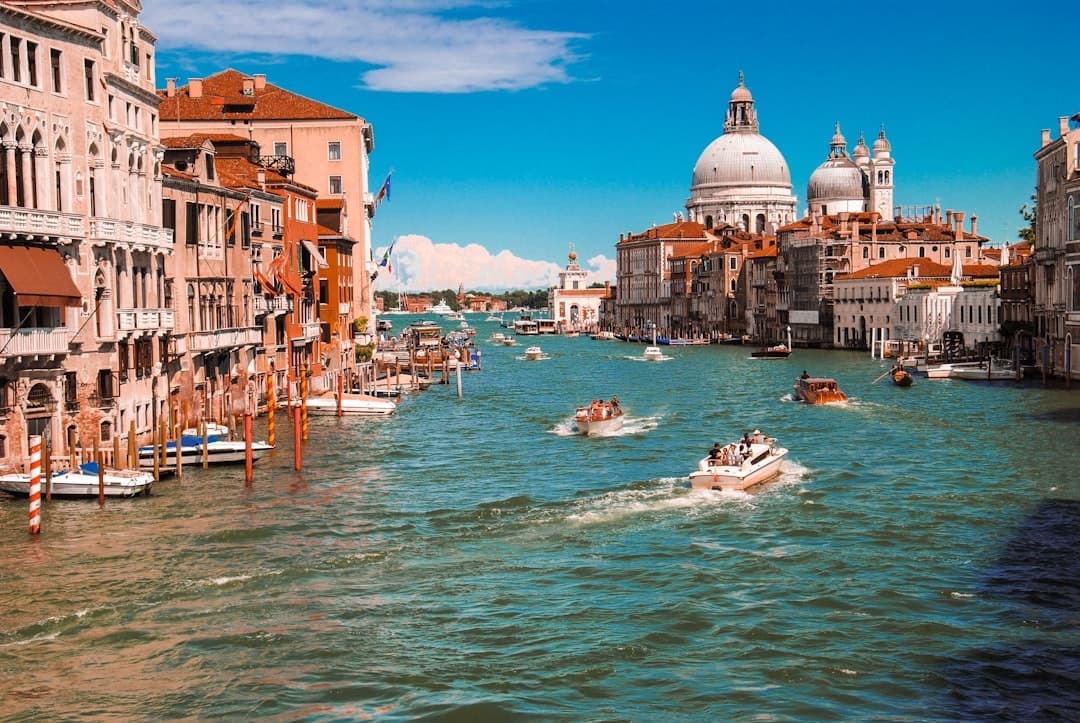
Crossing it takes only a few minutes, but the experience is layered. From the top of the arch, you get one of the most iconic views in Venice — vaporetti churning along the Grand Canal, gondolas threading between them, Renaissance palazzi reflected in the water. The arcades on either side are packed with jewellery and souvenir shops, which are charming if you're in the mood and easy to ignore if you're not. The real pleasure is simply pausing mid-bridge to watch the canal traffic, or descending to the fondamenta on either side where the Rialto Market spreads out — fish on one side, fruit and vegetables on the other — in a tradition that dates back nearly a thousand years.

The bridge is always open and free to cross, which means it's also always crowded — particularly mid-morning to late afternoon in peak season. The single best move is arriving early, ideally before 8am, when the market vendors are setting up, the light is soft and low, and you might have the top of the arch nearly to yourself. The area around the bridge, not just the bridge itself, is worth your time: the Rialto Market is one of the few parts of Venice that still feels genuinely functional rather than staged for tourists.

Local Tips

  1. 1

    Cross the bridge itself but then walk down to the Riva del Ferro on the San Marco side — the view back up at the bridge from water level is arguably better than the view from the top.

  2. 2

    The Rialto Fish Market (Pescheria) operates Tuesday through Saturday mornings only and closes by around noon; if you want to see it in action, this is a hard deadline.

  3. 3

    Avoid the souvenir shops on the bridge itself if you're looking for value — the same items are sold cheaper a few streets back from the canal.

  4. 4

    For a drink with a direct view of the bridge, Naranzaria or the nearby bacari on Campo San Giacomo di Rialto are where locals actually go — order a spritz and a cicchetto and settle in.

When to Go

Best times
Early morning (before 8am)

The bridge is nearly empty, the light is golden and low over the canal, and the Rialto Market is just coming to life — this is the version of the Rialto most visitors never see.

Winter (November to February)

Far fewer tourists, moody atmospheric light, and the occasional acqua alta adds a surreal quality — bring waterproof boots and embrace it.

Carnival (February)

The bridge and surrounding streets fill with costumed revellers; spectacular to witness but extremely crowded, so plan accordingly.

Try to avoid
Midday in July and August

Crowds reach their peak and the bridge becomes a slow-moving crush of people; the experience is significantly diminished.

Why Visit

01

One of the finest views in Venice opens up from the top of the arch — the Grand Canal stretching in both directions, lined with centuries-old palaces.

02

The Rialto Market directly alongside is a working Venetian institution selling fresh seafood and produce, offering a rare glimpse of everyday local life.

03

The bridge itself is a feat of Renaissance engineering — a single stone arch that's held for over 400 years and beat out designs by some of history's greatest architects.