
Robben Island
Cape Town / Robben Island

Robben Island

The island prison where Nelson Mandela spent 18 of his 27 years behind bars.

🏛️ Sights & Landmarks🎯 Activities & Experiences
👨‍👩‍👧 Family-friendly🎭 Cultural

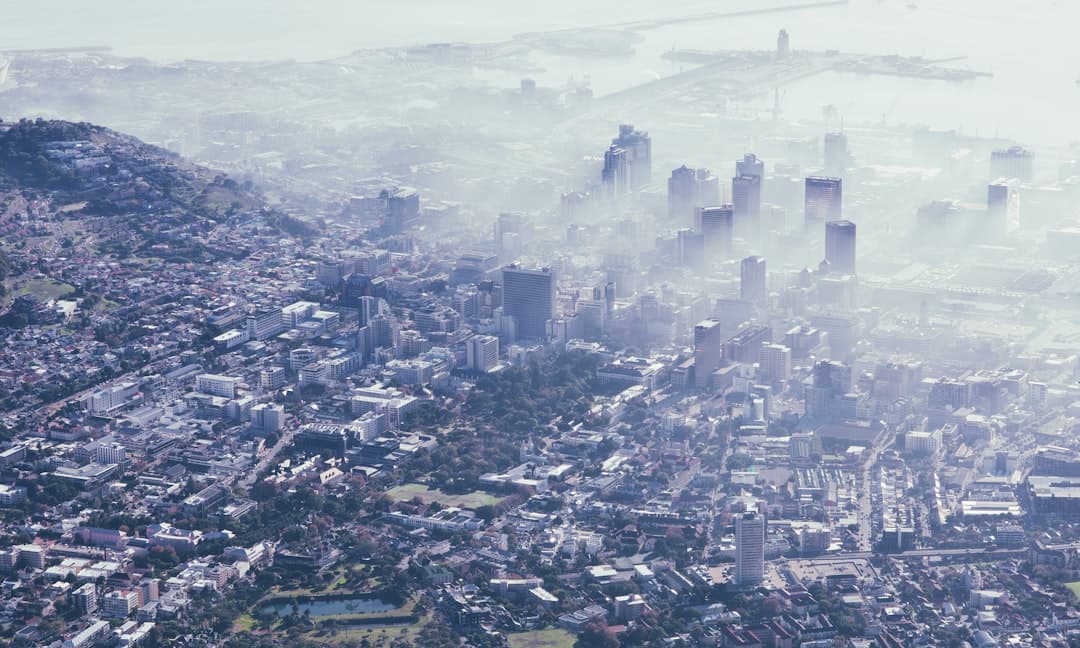
Robben Island sits in Table Bay, about 11 kilometres off the coast of Cape Town, and for most of the 20th century it was South Africa's most feared political prison. Under apartheid, the white minority government used it to isolate and silence the country's Black political leadership — Nelson Mandela, Walter Sisulu, Govan Mbeki, and Robert Sobukwe all did time here. When apartheid ended and Mandela became president in 1994, the island was transformed into a UNESCO World Heritage Site and a museum. It is one of the most powerful places in Africa for understanding what the fight for democracy actually cost.

You get here by a 30-minute ferry from the V&A Waterfront's Nelson Mandela Gateway terminal. On the island, the tour splits into two parts: a bus circuit of the grounds — including the lime quarry where prisoners worked in blinding sun and suffered lasting eye damage — and a guided walk through B Section of the Maximum Security Prison itself. The prison guide is invariably a former political prisoner, which changes everything. These aren't historians reciting facts. They are people who slept in these cells, who tell you what the cold floor felt like, who explain what a 'D group' prisoner was allowed to eat. When your guide points to a cell and says 'that is where Mandela slept,' you are standing three feet from it.

Book well in advance — tours sell out days or weeks ahead, especially in peak summer months. The full experience including ferry transit takes around four to five hours, so plan your day accordingly. Morning ferries tend to offer cleaner light and calmer seas. The island can be cold and windy even in summer, and the Southern Ocean doesn't care what the forecast said in Cape Town.
Local Tips

  1. 1

    Bring a windproof layer no matter the season — the island is almost always windier and colder than Cape Town, and the bus portion of the tour leaves you fully exposed.

  2. 2

    If your guide's personal story resonates with you, it's entirely appropriate to ask them questions — many former prisoners are open about their experiences and the conversations can be extraordinary.

  3. 3

    The ferry can be cancelled on short notice due to rough seas, especially in winter. If you're on a tight itinerary, have a backup plan and check the departure status on the morning of your visit.

  4. 4

    Photography is allowed throughout the tour, including inside the prison, but be respectful — you're in a place of profound suffering, not a film set.

When to Go

Best times
November to January

Peak summer season — tours sell out weeks in advance and the ferry terminal gets crowded. Book as early as possible if visiting during this window.

Morning ferries

Table Bay is calmer in the morning, making for a smoother crossing. Afternoon winds can make the return journey choppy and occasionally cause cancellations.

Try to avoid
Winter (June–August)

Seas can be rough enough to cancel ferries entirely. Fewer crowds, but real risk of a wasted day if the crossing is suspended due to weather.

Why Visit

01

Walk through the actual cell where Nelson Mandela was imprisoned for 18 years, guided by someone who was also held here — an experience that no museum exhibit can replicate.

02

The island offers a visceral, human-scale understanding of apartheid's brutality and the resistance that dismantled it, told by people with direct personal experience.

03

The ferry crossing and island setting — with Table Mountain visible across the water — give the visit an almost elemental quality that makes the history feel immediate rather than distant.