
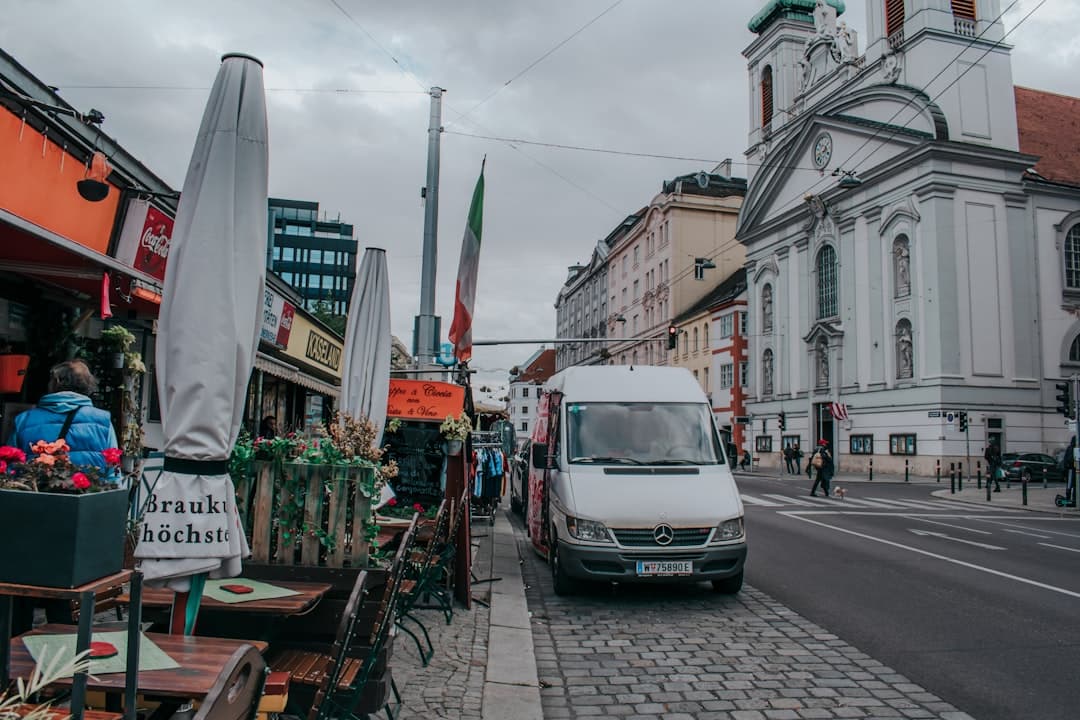
Ringstrasse
Vienna's grand imperial boulevard, built to dazzle and still delivering.
The Ringstrasse is a monumental circular boulevard encircling Vienna's historic inner city, commissioned by Emperor Franz Joseph I in 1857 as a statement of Habsburg ambition and cultural prestige. Over roughly four decades, the empire tore down its medieval fortifications and replaced them with one of the most audacious urban planning projects of the 19th century — a 5.3-kilometer ring road lined with palaces, museums, opera houses, parliament buildings, and parks, each designed in a different historical style meant to evoke the ideals it housed. Neo-Gothic for the Rathaus (city hall), Greek Revival for the Parliament, Renaissance for the museums. It was deliberate, theatrical, and magnificent.
Walking the Ring today means moving through an open-air museum of 19th-century imperial architecture. The Vienna State Opera anchors one end, with the Kunsthistorisches Museum and Naturhistorisches Museum facing each other like mirror-image cathedrals to art and science. The Burgtheater, the Parliament building (currently re-emerged from years of renovation), and the Rathaus follow in sequence, each set back behind formal gardens or flanked by statues. Trams rattle along the outer lanes while cyclists weave through the tree-lined inner paths. You can walk the whole ring, hop the famous tram line 1 or 2, or do a combination — pausing at whichever facades grab you.
The insider move is to walk it at dusk, when the facades are lit and the tourist crowds thin slightly. Most visitors rush between the major institutions without stopping to look up at the buildings themselves — the exteriors are worth serious attention. The Ringstrasse is also a useful orientation spine for the whole city: nearly everything worth seeing in central Vienna clusters around or just inside it.