
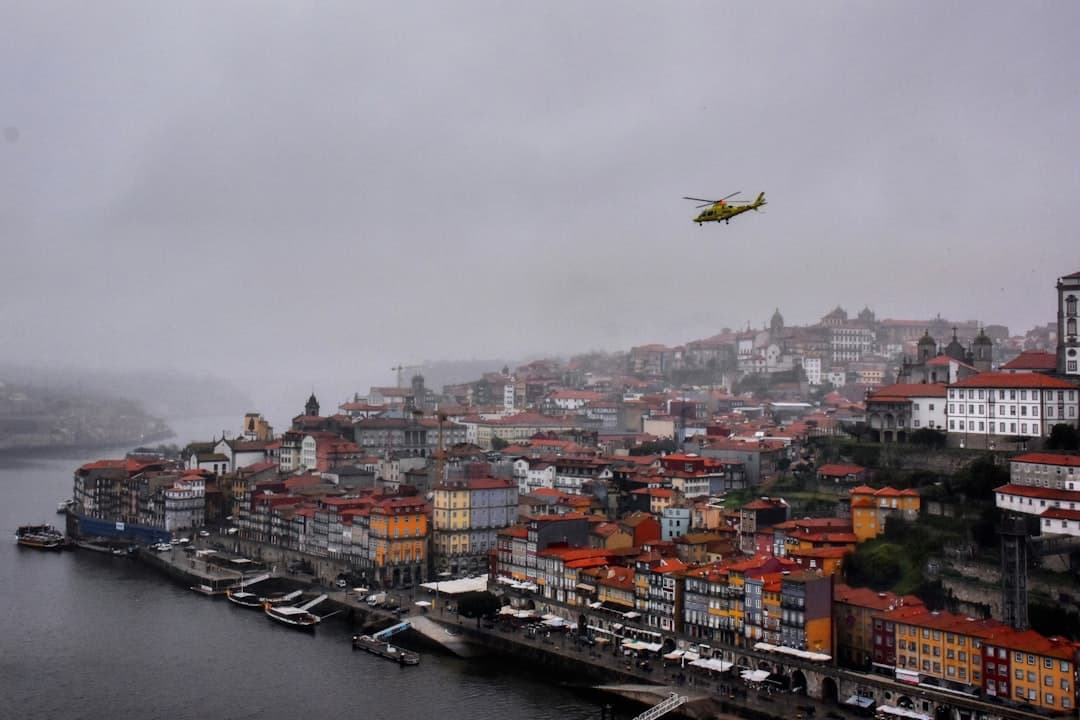
Ribeira
Porto / Ribeira

Ribeira

Porto's medieval waterfront, where the city's soul meets the Douro River.

🏛️ Sights & Landmarks🍽️ Food & Drink🎯 Activities & Experiences🏘️ Neighborhoods
🌿 Relaxing🍽 Foodie🎭 Cultural🌹 Romantic

Ribeira is Porto's historic riverside quarter — a tangle of narrow medieval lanes, crumbling azulejo-tiled facades, and sun-bleached laundry strung between windows that tumble down to the edge of the Douro River. It's the oldest part of the city, a UNESCO World Heritage Site since 1996, and the image most people picture when they think of Porto. If you only spend a few hours anywhere in the city, this is where they should go.

The experience is largely about wandering and absorbing. The Praça da Ribeira, the square at the heart of it all, anchors everything — it opens onto the river with café terraces and a 19th-century pillar at its center, and it's the natural place to get your bearings. From there you can walk the Cais da Ribeira promenade along the waterfront, watching the flat-bottomed rabelo boats moored on the Douro, look across to Vila Nova de Gaia and its port wine lodge signs stacked up the hillside, and then lose yourself in the lanes behind — past the Igreja de São Francisco with its jaw-dropping gilded baroque interior, through Rua da Alfândega, and up toward the Sé Cathedral above. There's good food here too, though quality varies wildly — look for places with locals eating lunch, not just tourist menus.

Ribeira rewards patience. Go early morning to see it quiet and golden, or at dusk when the lights come on across the river and the terraces fill up. The neighborhood itself is small — you can cross it in fifteen minutes — but the depth of history in every crumbling wall makes it worth several hours. Watch your step on the wet cobblestones after rain, and expect the summer crowds to be dense along the waterfront promenade.

Local Tips

  1. 1

    Avoid eating at restaurants on the first row of the waterfront promenade — they're almost exclusively tourist traps. Walk one or two streets back into the lanes for better food at lower prices.

  2. 2

    The cobblestones in Ribeira get treacherously slippery when wet — wear shoes with actual grip, not sandals or smooth soles.

  3. 3

    If you want to enter the Igreja de São Francisco, it charges a small entry fee but it's one of the most remarkable interiors in Portugal and absolutely worth paying. Don't just walk past.

  4. 4

    Cross the Dom Luís I Bridge on the upper deck (tram level) for the best panoramic view over Ribeira and the Douro — then take the lower deck back for the street-level river perspective.

When to Go

Best times
Early morning, any season

Before 9am the lanes are nearly empty, the light is soft, and you get the neighborhood to yourself — a completely different experience from the midday crowds.

Late September–November

Autumn brings manageable crowds, warm light, and occasional cultural events tied to the wine harvest season across the river in Gaia. One of the best times to visit.

June 23–24 (São João festival)

The Festa de São João fills Ribeira and the entire waterfront with locals celebrating Porto's biggest festival — fireworks, sardines, music, and a genuinely joyful street party. Worth planning around.

Try to avoid
June–August

The waterfront promenade gets extremely crowded in peak summer; café terrace queues can be long and prices are at their highest. Still beautiful, but the intimacy of the neighborhood largely disappears.

Why Visit

01

The view across the Douro to Vila Nova de Gaia — with rabelo boats moored below and port wine lodge signs covering the hillside opposite — is one of Europe's great urban panoramas.

02

The Igreja de São Francisco, just steps from the main square, contains one of the most extravagant gilded baroque interiors in Portugal, with estimates suggesting up to 400kg of gold leaf covering its carved woodwork.

03

The neighborhood's medieval street pattern, azulejo-covered buildings, and centuries of layered history make it one of the most visually compelling urban quarters on the continent — photogenic at every turn.