
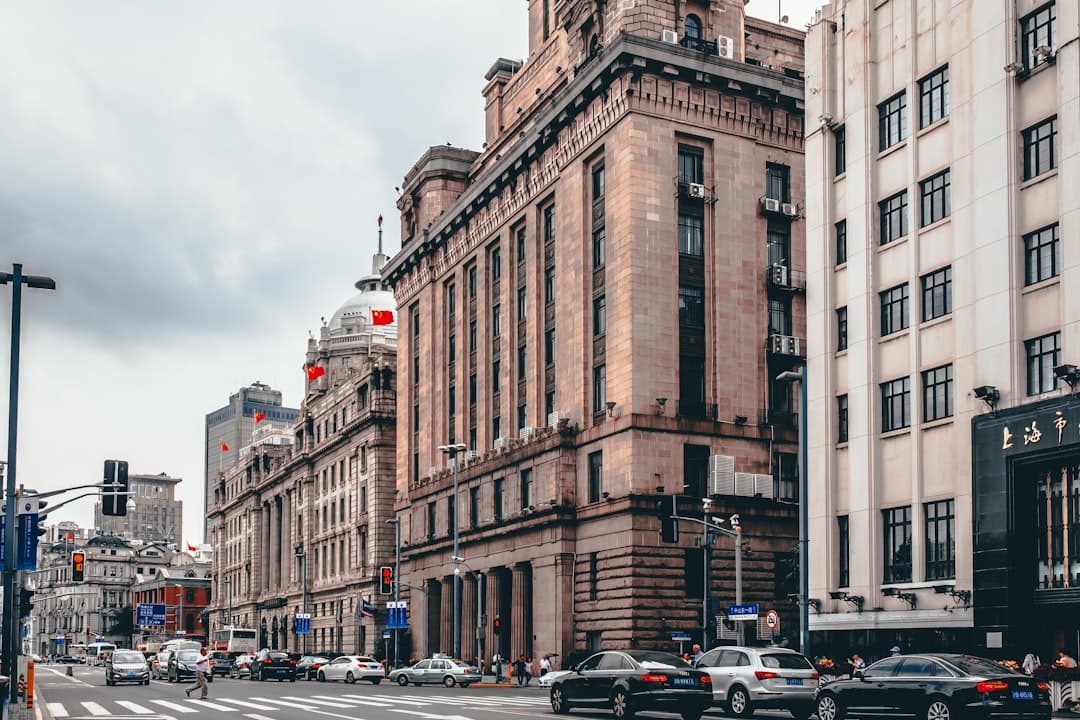
Shanghai Old Town
Shanghai / Shanghai Old Town

Shanghai Old Town

Five centuries of Shanghai history crammed into one bustling, temple-dotted neighborhood.

🛍️ Shopping🏛️ Sights & Landmarks🍽️ Food & Drink🎯 Activities & Experiences🏘️ Neighborhoods
🍽 Foodie👨‍👩‍👧 Family-friendly🎭 Cultural

Shanghai Old Town — known locally as Nanshi, or the Old City — is the oldest continuously inhabited part of Shanghai, a rare pocket of pre-colonial Chinese urban life in a city otherwise defined by rapid reinvention. Built around what was once a walled Ming Dynasty city, it's centered on Yu Garden (Yuyuan) and the famous Chenghuang Miao, the City God Temple, and has been a place of trade, worship, and daily life since the 1550s. While much of the area has been renovated into a tourist-facing version of itself, the bones of the place are genuinely old, and the atmosphere — incense, crowds, hawkers, dim teahouses — is unlike anything in Puxi's modern quarters.

The experience here is layered and dense. The centerpiece is Yu Garden itself, a classical Ming-era garden of rockeries, koi ponds, dragon-topped walls, and pavilions, best appreciated early before crowds descend. Surrounding it is a bazaar of covered lanes packed with shops selling everything from silk fans and jade trinkets to xiaolongbao and sesame flatbreads. The Huxinting Teahouse — that distinctive zigzag-bridge pavilion over the pond — is one of the most photographed spots in China, and worth sitting in for a pot of tea despite the tourist markup. Push deeper into the back lanes south of Fuyou Road and you'll find older, less-curated streets where residents still live.

The Old Town is most rewarding if you resist the urge to rush straight to the famous spots. Come early morning for the garden, linger over a breakfast of shengjianbao (pan-fried pork buns) from one of the street stalls near the temple, and then let yourself get genuinely lost in the lanes. Weekends get very crowded — Saturday and Sunday afternoons can feel genuinely overwhelming. If you're visiting during Chinese New Year or major national holidays, expect massive crowds but also spectacular decoration and atmosphere.

Local Tips

  1. 1

    The famous Huxinting Teahouse charges steep prices for tea — treat it as an experience fee for sitting in one of the most iconic buildings in Shanghai rather than the best cup of tea you'll have in China.

  2. 2

    For the best xiaolongbao in the area, head to Nanxiang Mantou Dian on the edge of the bazaar — it's touristy, yes, but the dumplings are genuinely good and the ground-floor takeaway window moves faster than the sit-down queue.

  3. 3

    The free streets around Fuyou Road and Dajing Road, south of the main bazaar, are older and far less curated — you'll find a 16th-century section of the original city wall at Dajing Pavilion, which most visitors completely miss.

  4. 4

    Yu Garden charges a separate entrance fee from the surrounding bazaar streets — the garden itself is worth it, but the lanes, temples, and teahouse exterior are all free to wander.

When to Go

Best times
Early morning (any season)

Yu Garden opens at 8:30am — arriving at opening gives you 30–45 minutes of relative calm before tour groups flood in.

Spring (March–April)

Mild temperatures and occasional blossoms make wandering the garden and surrounding lanes genuinely pleasant.

Chinese New Year (late Jan–Feb)

The temple and bazaar area transforms with lanterns and decorations — spectacular to see, but crowds are extreme and many stalls close for the holiday.

Try to avoid
Summer (July–August)

Heat and humidity are intense, the garden has no shade relief, and tourist crowds peak — exhausting combination for a walking-heavy visit.

Golden Week (early October)

National holiday brings some of the heaviest crowds of the year to the entire Old Town — lines for the garden can be very long.

Why Visit

01

Yu Garden is one of the finest examples of classical Chinese garden design in the country — a 400-year-old landscape of sculpted rockeries, pavilions, and carp-filled pools built for a Ming Dynasty official.

02

The surrounding bazaar and City God Temple give you a living, breathing street scene that mixes genuine religious practice with snack vendors, tea merchants, and centuries-old craft shops.

03

It's the only part of Shanghai where you can walk streets that predate the colonial era — a completely different urban texture from the Bund or Xintiandi.