Senso-ji Temple
Tokyo / Senso-ji Temple

Senso-ji Temple

Tokyo's oldest temple, alive with incense smoke and 1,400 years of history.

🛍️ Shopping🏛️ Sights & Landmarks🎭 Arts & Entertainment
🌿 Relaxing👨‍👩‍👧 Family-friendly🎭 Cultural

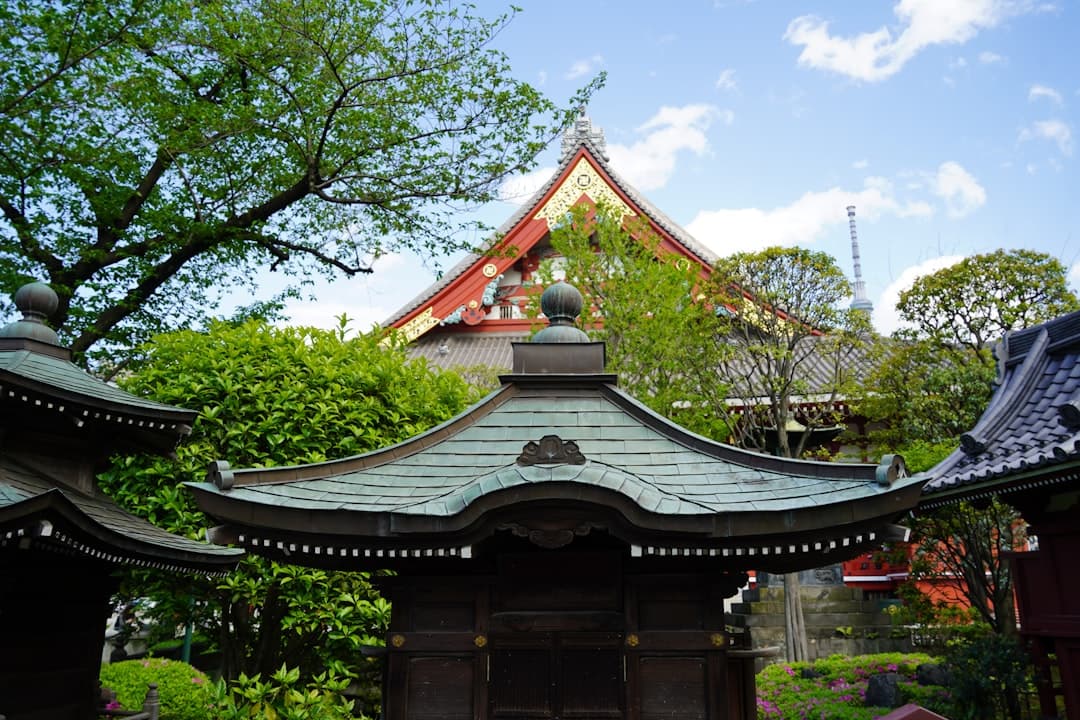
Senso-ji is a Buddhist temple in Asakusa, one of Tokyo's oldest and most atmospheric districts, and it's the single most visited religious site in Japan. Founded in 628 AD — making it over fourteen centuries old — it's dedicated to Kannon, the goddess of mercy, and draws tens of millions of visitors a year without losing its sense of genuine spiritual purpose. This isn't a relic preserved under glass; people come here to pray, to seek fortunes, and to mark the moments of their lives.

You approach the temple through Kaminarimon, the iconic Thunder Gate with its enormous red lantern, then walk the length of Nakamise-dori, a covered shopping street lined with stalls selling everything from rice crackers and ningyo-yaki (small cakes shaped like the temple's five-storey pagoda) to traditional crafts and souvenirs. Past a second gate, Hozomon, the main hall opens before you — a dramatic structure rebuilt after World War II bombing, always wreathed in smoke from the giant incense burner that worshippers fan over themselves for good health. The five-storey pagoda rises to one side. At the main hall you can toss a coin, bow, and pull an omikuji fortune slip from a numbered canister — if the fortune is bad, you tie it to a rack and leave it behind.

The honest practical tip: come early or come late. By 10am in peak season the crowds on Nakamise-dori are genuinely dense and the atmosphere shifts from contemplative to theme park. Arrive at 7am and you'll share the temple grounds with elderly locals doing their morning prayers and pigeons. The temple itself is open around the clock — the main hall closes at night, but the grounds never do, and the lantern-lit gate at midnight is something else entirely. Asakusa is also a great base for exploring old Tokyo — the rickshaw pullers, traditional craft shops, and nearby Sumida River are all within easy walking distance.
Local Tips

  1. 1

    The omikuji fortune slips at Senso-ji are famously the harshest in Japan — a higher proportion of bad fortunes than most temples. If you draw a bad one, tie it to the metal rack near the booth and leave the bad luck behind.

  2. 2

    Skip the big souvenir shops on Nakamise-dori for the small side streets off the main drag — the alleys flanking Nakamise have older, quirkier shops with more interesting traditional goods and fewer tourists.

  3. 3

    Ningyo-yaki, the small sponge cakes sold fresh at stalls near the gate, are a genuine local treat — get them warm from the iron moulds and eat them on the spot.

  4. 4

    The temple grounds connect easily to the Sumida River waterfront, where you can catch a water bus (Tokyo Cruise) to Odaiba or Hamarikyu Gardens — a great way to extend the day without backtracking through Asakusa.

When to Go

Best times
Early morning (before 9am)

Crowds are thin, the light is beautiful, and you get the rare experience of a peaceful temple — locals pray here daily and the morning atmosphere is genuinely moving.

Late night

The Kaminarimon gate is dramatically lit after dark and the grounds are open 24 hours — a completely different, quieter experience from the daytime rush.

Late March–early April (cherry blossom season)

Nearby Ueno Park and the Sumida River banks bloom spectacularly, making a temple visit pairable with one of Tokyo's best hanami (flower viewing) spots — but crowds are significant.

New Year (January 1–3)

Senso-ji hosts Hatsumode, the first temple visit of the New Year — millions of people come over these three days and queues can stretch for hours. A chaotic but deeply authentic cultural experience.

Try to avoid
Golden Week (late April–early May)

Crowds reach their absolute peak during this national holiday period — the temple is still worth visiting but expect extremely dense crowds on Nakamise-dori.

Why Visit

01

Walk through the iconic Kaminarimon gate and its massive red lantern — one of the most photographed sights in all of Japan, and genuinely as impressive in person as it looks.

02

Experience a living, working temple where real rituals happen daily: pull a fortune slip, wave incense smoke over yourself for good luck, and watch locals pray at the main hall.

03

The surrounding Nakamise-dori shopping street is one of the best places in Tokyo to buy traditional Japanese snacks and crafts without venturing far from the city centre.