
Scala du Port
Essaouira / Scala du Port

Scala du Port

A 18th-century sea bastion where cannons still point toward the Atlantic.

🏛️ Sights & Landmarks🌿 Nature & Outdoors
🧗 Adventurous🎭 Cultural🌹 Romantic

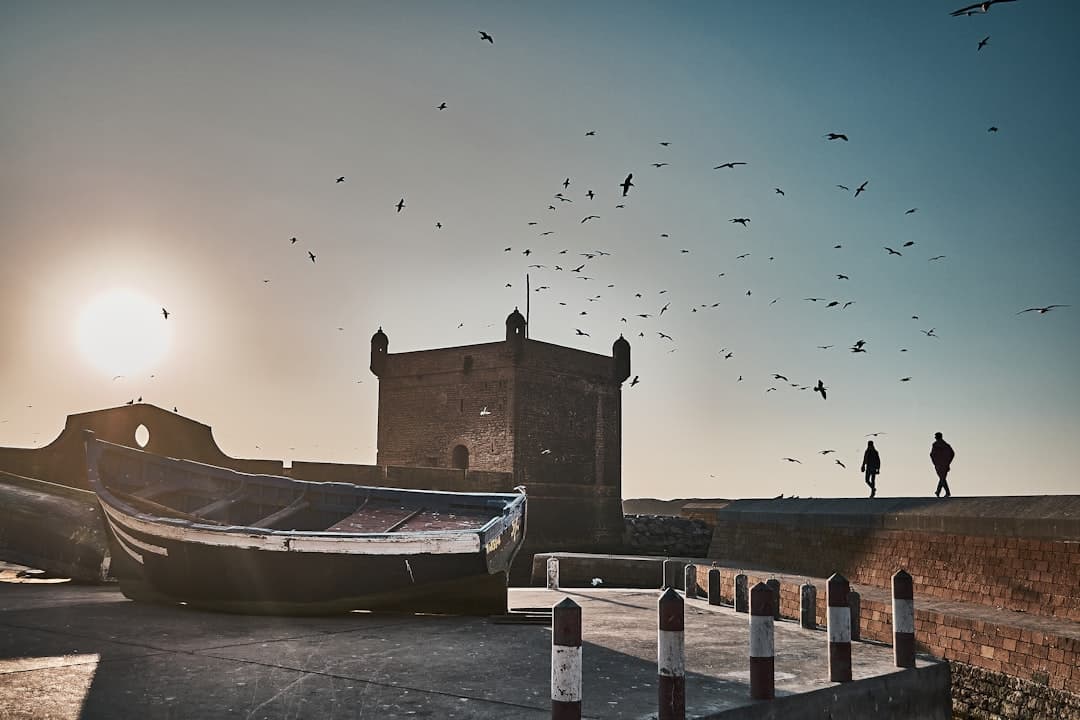
The Scala du Port is one of two great fortified sea bastions that define Essaouira's famous skyline. Built by the Alaouite sultan Sidi Mohammed Ben Abdallah in the late 18th century — with input from European military architects — it was designed to protect the city's busy trading port from naval attack. The platform runs along the southern edge of the medina, perched directly above the working harbour, and its row of bronze cannons pointed out to sea has become one of the most iconic images in all of Morocco.

Visiting is genuinely atmospheric. You walk the broad stone rampart with the wind coming hard off the Atlantic — Essaouira is famously one of the windiest places in Africa, which is part of its character — and look down on the blue-painted fishing boats, the chaos of the port, and the sea breaking against the walls below. The cannons are Spanish and Portuguese, mostly dating from the 16th to 18th centuries, and they're still in remarkable condition. The views across the bay, toward the Île de Mogador and along the medina walls, are exceptional. Seagulls wheel overhead constantly. This is the spot that Orson Welles famously used as a location while filming his 1952 adaptation of Othello, and you can feel why he chose it.

The Scala du Port sits at the southern entrance to the medina, just above the port gate. It's a separate site from the Scala de la Ville, the rampart on the northern side of the medina — both are worth visiting but they offer different views and feel quite different. The port bastion is generally less crowded and more dramatically positioned. Entry is cheap and straightforward. Morning visits, before the wind really picks up, tend to be the most comfortable.

Local Tips

  1. 1

    Don't confuse this with the Scala de la Ville — Essaouira has two ramparts. The Scala du Port is the one above the harbour and tends to be quieter and more dramatic.

  2. 2

    Hold onto your hat — this is not a figure of speech. The wind on the bastion is relentless, especially from late morning onward.

  3. 3

    The view is best from the far southern end of the platform, where you can see both the open sea and the full sweep of the medina walls behind the port.

  4. 4

    Combine the visit with a walk through the port gate and into the working harbour right below — the contrast between the quiet bastion and the noisy, smelly, brilliant chaos of the fish landing is what makes Essaouira feel real.

When to Go

Best times
June–August

Essaouira is cooler than inland Morocco in summer thanks to the Atlantic trade winds, making it a genuinely pleasant time to visit — but the bastion is at its windiest and hats and loose items can go overboard.

Late afternoon

The light is softer and more golden, the fishing boats return to harbour, and the scene below becomes busy with activity — the best time for atmosphere and photography.

Try to avoid
Stormy winter days

Atlantic swells can send spray crashing over the lower walls in winter; dramatic to see but the bastion can become slippery and uncomfortable.

Why Visit

01

Walk a 250-year-old Atlantic rampart lined with antique bronze cannons — genuinely one of the great coastal fortifications in North Africa.

02

The views over Essaouira's working fishing harbour and the open ocean are spectacular, and feel completely removed from the medina crowds just minutes away.

03

This is the location Orson Welles chose to open his 1952 film Othello — it has a cinematic drama that photographs can't fully capture.