
Essaouira Medina
Essaouira / Essaouira Medina

Essaouira Medina

A walled Atlantic port city where Moroccan medina life meets ocean wind.

🛍️ Shopping🏛️ Sights & Landmarks🎯 Activities & Experiences🎭 Arts & Entertainment🏘️ Neighborhoods
🧗 Adventurous👨‍👩‍👧 Family-friendly🎭 Cultural🌹 Romantic🗺 Off the beaten path

Essaouira's medina is a UNESCO World Heritage Site perched on Morocco's Atlantic coast — a fortified old city that feels unlike anywhere else in the country. Built largely by a French architect in the 18th century under Sultan Sidi Mohammed Ben Abdallah, it has an unusual grid-like layout for a Moroccan medina, wide enough for two people to walk comfortably side by side rather than squeezing through dark souks. The result is a place that feels airy, painterly, and genuinely liveable. It's been a trading hub, a hippie haven (Jimi Hendrix famously visited in 1969), and a film location for Game of Thrones — and it still somehow manages to feel unhurried.

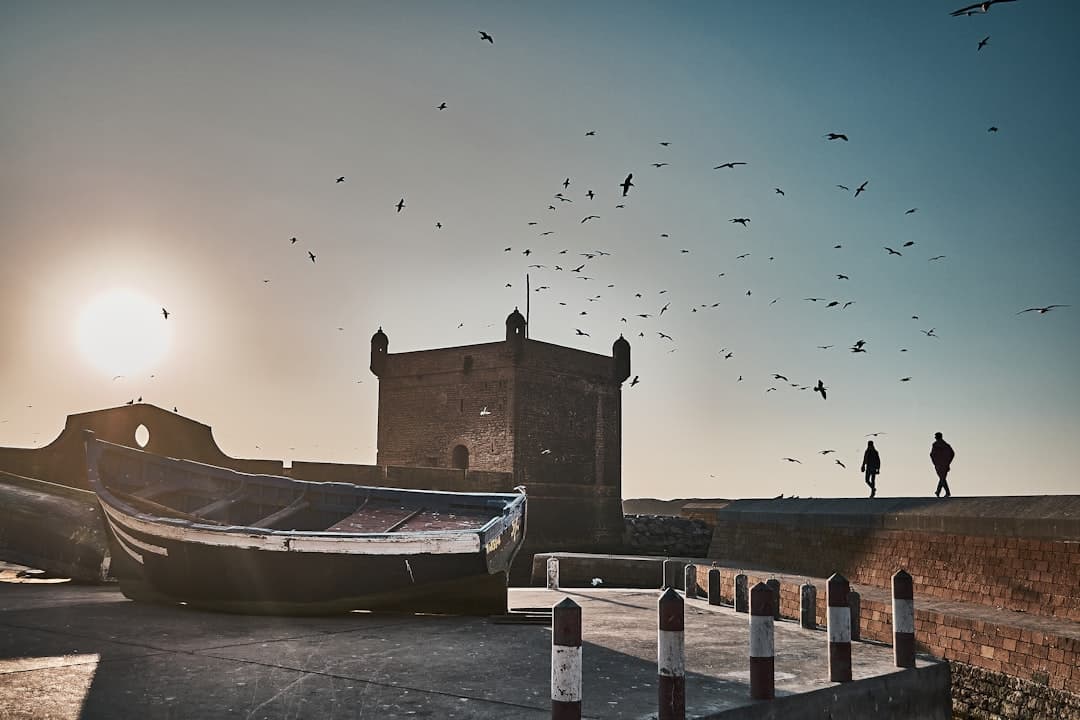
Walking the medina means drifting through the spice-fragrant souks near Place Moulay Hassan, watching woodworkers craft thuya root furniture and boxes in the artisan quarter, browsing galleries selling work by local and international painters, and eventually ending up on the ramparts — the Skala de la Ville — where cannons point out to sea and the wind whips off the Atlantic hard enough to steal your hat. The harbor sits just south of the medina walls, where blue fishing boats bob and seagulls are aggressively territorial. The whole medina is painted in that iconic blue-and-white palette that photographers come from everywhere to capture.

Essaouira's medina is far more relaxed about touts and persistent vendors than Marrakech or Fes — it's one of the things visitors most frequently comment on. The city has a strong arts scene, anchored by the Gnaoua World Music Festival each June, which transforms the medina into an open-air concert venue. The best time to explore is morning, before the day-trippers from Marrakech (a 3-hour drive) arrive in force around midday.

Local Tips

  1. 1

    The fish grills at the port end of Place Moulay Hassan are a medina institution — pick your fish from the display, agree a price before they cook it, and eat it at a plastic table with bread and harissa. It's cheap, fresh, and delicious.

  2. 2

    Thuya wood products are Essaouira's most distinctive craft, but quality varies enormously. Buy directly from workshops in the artisan quarter near the northern ramparts rather than from souvenir shops near the main square.

  3. 3

    The wind in Essaouira is real — locals call it the 'alizé' trade wind. Even on warm sunny days, pack a layer. It drops significantly in the evenings.

  4. 4

    Avenue de l'Istiqlal and Rue Mohammed Ben Massoud are the main shopping arteries, but wandering off them into the residential lanes to the east of the medina gives you a completely different, quieter side of city life.

When to Go

Best times
June

The Gnaoua World Music Festival fills the medina with world-class musicians and a brilliant atmosphere — book accommodation months ahead.

April–May & September–October

Ideal visiting conditions: mild Atlantic temperatures, lighter crowds, and the wind is manageable. The light is exceptional for photography.

Try to avoid
July–August

Peak tourist season coincides with Essaouira's notorious trade winds — daytime gusts can be strong enough to make outdoor dining and beach visits uncomfortable.

Midday, year-round

Day-trippers from Marrakech typically arrive between noon and 3pm, making Place Moulay Hassan and the main souks noticeably busier. Explore early morning for a different city entirely.

Why Visit

01

A rare Moroccan medina you can actually navigate without getting lost — wider streets, logical layout, and far less hassle than the big imperial cities.

02

The sea ramparts offer one of the most dramatic coastal views in North Africa, with Atlantic waves crashing below 18th-century cannons.

03

Exceptional artisan workshops specializing in thuya wood — a fragrant local timber — produce some of the finest craft work in Morocco.