
Essaouira Beach
Essaouira / Essaouira Beach

Essaouira Beach

Wind-lashed Atlantic beach where kitesurfers and camel riders share the sand.

🏛️ Sights & Landmarks🌿 Nature & Outdoors🎯 Activities & Experiences
🧗 Adventurous🌿 Relaxing👨‍👩‍👧 Family-friendly

Essaouira Beach — known locally as Plage d'Essaouira — is a vast, wild stretch of Atlantic coastline running several kilometres south of the old medina walls. This is not a groomed resort beach. It's a working landscape of wind, spray, and open sky that has made Essaouira one of the world's premier windsurfing and kitesurfing destinations. The trade winds that blast in from the Atlantic — locals call them the alizés — blow with remarkable consistency from spring through autumn, turning the beach into a permanent arena of coloured kites and sails.

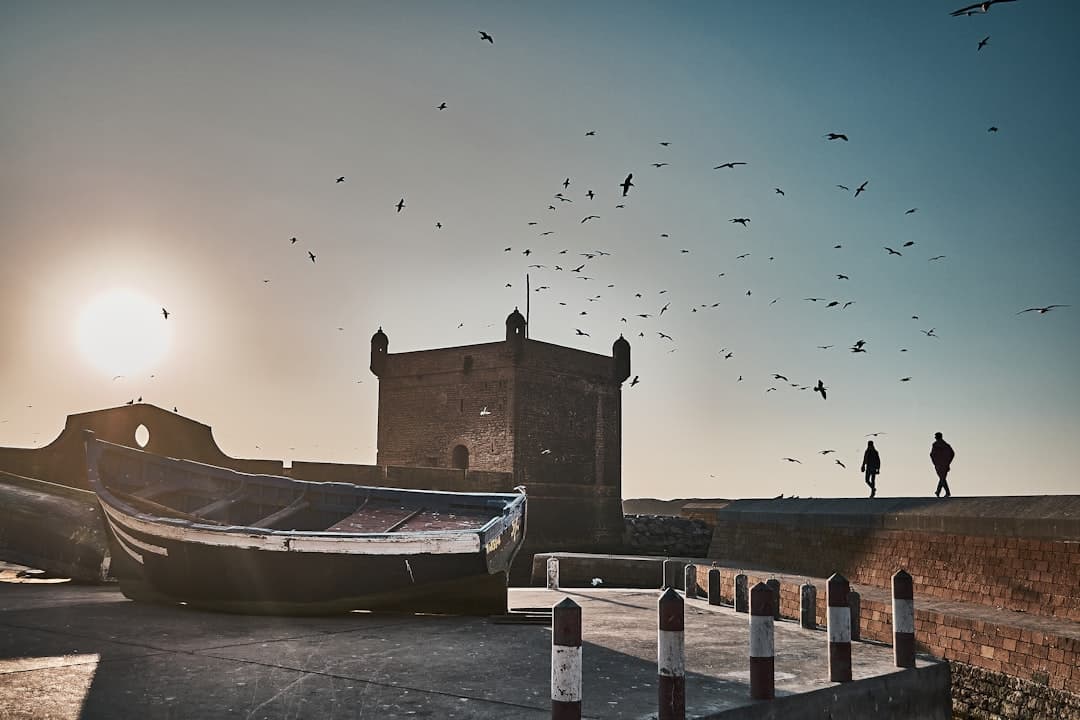
In practical terms, the beach is where you go to feel the full force of what makes Essaouira different from every other Moroccan city. The northern end, closest to the medina ramparts and the old blue fishing boats, is the most atmospheric place to walk — the 16th-century Portuguese-built Skala du Port looms above you and the waves crash against ancient stone. Further south, kite schools set up their gear and the beach widens into a broad, firm-sand stretch where horses and camels are hired out for rides along the shoreline. Vendors sell fresh grilled fish and argan-oil-roasted almonds from small stalls near the water's edge.

The wind is genuinely strong here most of the year — even on a sunny day it can be cold, and sand will find its way into everything. Come in the morning for calmer conditions and better light. The beach is free and open at all hours, and the medina is a five-minute walk back through the sea gate. If you want to take a surf or kite lesson, reputable schools like Explora and Magic Fun Afrika operate out of the beach area and offer instruction at various levels.

Local Tips

  1. 1

    Wear or bring a windproof layer even in summer — the alizés are relentless and the temperature on the beach can feel 10 degrees colder than in the medina.

  2. 2

    Keep your camera in a bag between shots. The fine Atlantic sand is carried in the wind and can damage camera mechanisms and lenses within minutes.

  3. 3

    The stretch of beach immediately in front of the medina ramparts is the most photogenic and least chaotic. Walk north toward the blue boats and the sea gate for the best views.

  4. 4

    If you want a kite or surf lesson, book directly with schools on the beach rather than through medina touts — you'll pay less and get a better-matched instructor.

When to Go

Best times
June–September

Peak wind season — the alizés blow hardest, making it ideal for kitesurfers and windsurfers but genuinely challenging for casual beach relaxation.

December–February

Quieter and cooler, with fewer visitors. The wind is less intense, making it more pleasant for walking, but the water is cold and swimming is inadvisable.

Morning (before 11am)

Wind typically picks up through the day. Mornings are calmer, warmer, and better for photography with softer Atlantic light.

Try to avoid
July–August

Moroccan summer holidays bring large local crowds, especially on weekends. The beach gets congested and accommodation prices rise sharply.

Why Visit

01

Watch — or join — some of the best kitesurfing in the world on a beach where the Atlantic trade winds blow almost every day.

02

The backdrop is extraordinary: centuries-old medina walls and Portuguese-era sea fortifications frame one end of the beach.

03

Ride a horse or camel along the Atlantic shore, then eat grilled sardines a few metres from where the fishermen landed them.