
Sian Ka'an Biosphere Reserve
Tulum / Sian Ka'an Biosphere Reserve

Sian Ka'an Biosphere Reserve

Three thousand square miles of jungle, lagoons, and reef with almost no one in it.

🏛️ Sights & Landmarks🌿 Nature & Outdoors🎯 Activities & Experiences
🧗 Adventurous🌿 Relaxing👨‍👩‍👧 Family-friendly🗺 Off the beaten path

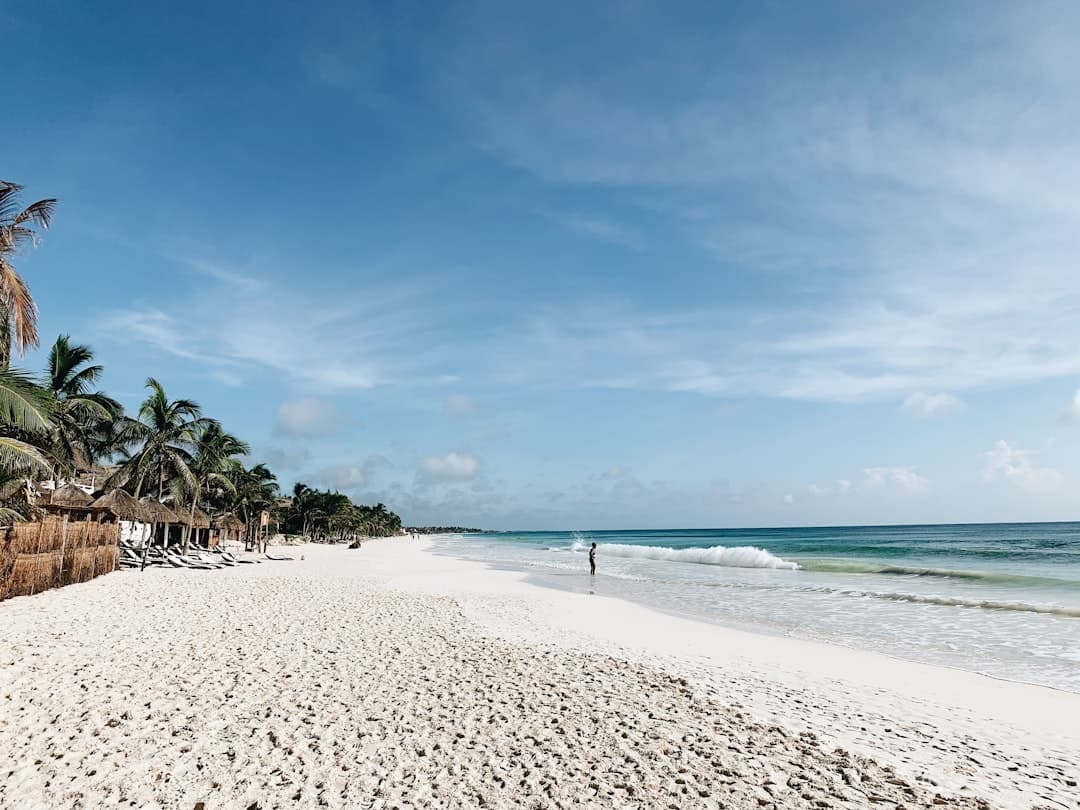
Sian Ka'an — which means 'where the sky is born' in Mayan — is one of the largest protected areas in Mexico and a UNESCO World Heritage Site. Covering roughly 1.3 million acres of the Yucatán Peninsula's Caribbean coast, it encompasses tropical forests, mangrove swamps, freshwater lagoons, marshes, and a significant stretch of the Mesoamerican Barrier Reef. It sits just south of Tulum's hotel zone, making it one of the most accessible truly wild places in the entire Caribbean region. Jaguars, manatees, crocodiles, howler monkeys, and over 300 species of birds live here — and because visitor numbers are kept deliberately low, you can actually see them.

Most visitors explore Sian Ka'an on a guided boat tour through the lagoons and canals, many of which were built by the ancient Maya and still function as waterways today. The floating experience in the current — essentially drifting through a jungle canal wearing a life jacket — has become one of the signature activities. Birdwatching from a panga boat at sunrise is exceptional, and the reef access from within the reserve is far less trafficked than anything near Tulum proper. Some tours also stop at minor Mayan archaeological sites within the reserve, adding genuine historical depth to what is already a layered natural experience.

Access is through the Tulum zona hotelera's southern end, along a rough road that itself forms part of the reserve boundary. Independent access by car is technically possible — the entrance checkpoint is free — but most of the reserve's interior is only reachable by boat with a licensed guide. Reputable operators like Sian Ka'an Biosphere Reserve Tours and community-run cooperatives from the town of Punta Allen work within the reserve legally and support local conservation. Book a licensed operator in advance, especially in high season, and plan to give this a full day.

Local Tips

  1. 1

    Hire a guide from the Punta Allen fishing cooperative rather than a Tulum beach tout — the community operators are better regulated, the money stays local, and the guides genuinely know the ecosystem.

  2. 2

    The floating canal drift is fun but it's not snorkeling — if seeing reef fish is your priority, make sure your tour includes a reef stop outside the lagoon system.

  3. 3

    The road through the reserve to Punta Allen is unpaved and rough — many rental car agreements explicitly prohibit it. Check yours before driving in, or join an organized tour from Tulum.

  4. 4

    Mosquitoes in the mangroves can be intense even in dry season — bring DEET-based repellent and wear long sleeves for the lagoon sections of the tour.

When to Go

Best times
December–April

Dry season brings calm lagoon waters, lower humidity, excellent birdwatching, and the best wildlife visibility in the mangroves.

July–August

Peak tourist season means guided tours book up weeks in advance; the reserve is still beautiful but operators are stretched thin.

Sunrise (6–8am)

Early morning is the best time for birdwatching and wildlife activity; many operators offer dawn departures that justify the early alarm completely.

Try to avoid
September–October

Hurricane season brings real risk — tours can be cancelled at short notice and the rough road into the reserve can flood or become impassable.

Why Visit

01

Wildlife encounters that feel genuinely wild — jaguars, manatees, crocodiles, and hundreds of bird species in a protected reserve where crowds are legally limited.

02

Ancient Maya canal systems still crisscross the lagoons, giving the boat tours an archaeological layer most nature reserves simply don't have.

03

It's just 20 minutes south of Tulum's center but feels utterly removed from the boutique-hotel circus — one of the most accessible true wildernesses in the Caribbean.