
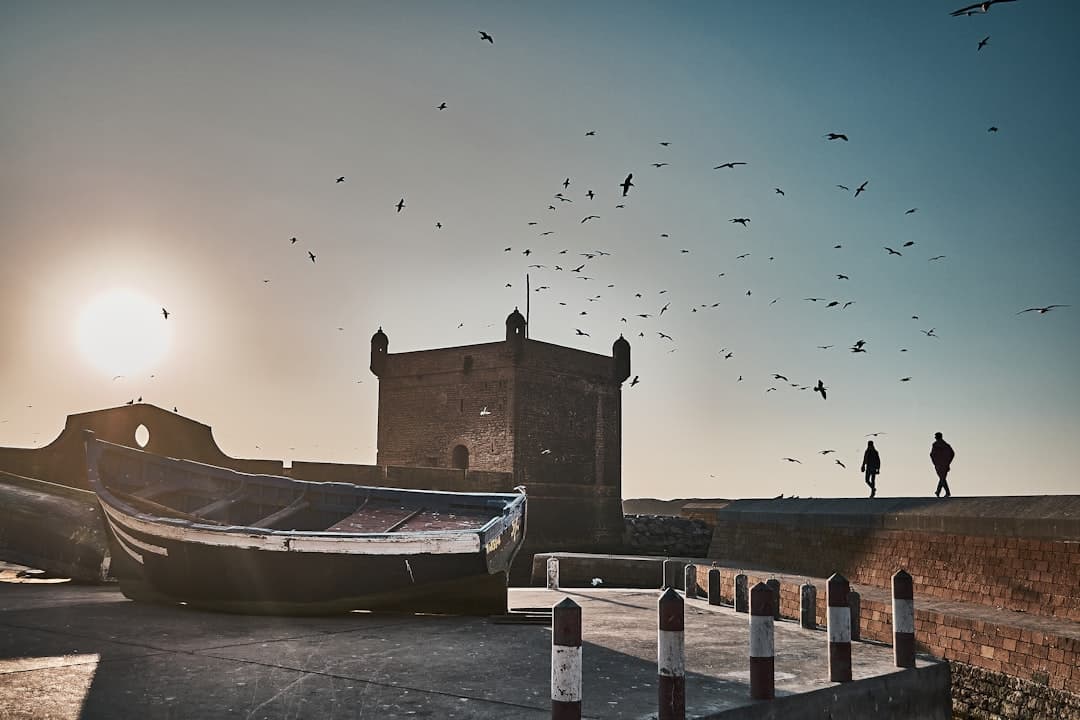
Skala de la Ville
Essaouira / Skala de la Ville

Skala de la Ville

A 16th-century sea bastion where cannons meet Atlantic wind and light.

🏛️ Sights & Landmarks🌿 Nature & Outdoors
🧗 Adventurous🎭 Cultural🌹 Romantic

The Skala de la Ville is a grand sea-facing rampart built by the Portuguese in the 16th century and later expanded under Sultan Sidi Mohammed ben Abdallah in the 18th century, who transformed Essaouira into a major Atlantic trading port. This fortified platform runs along the northern edge of the medina, its thick stone walls and ornate battlements looking out over the wild blue of the Atlantic. It's one of the most iconic structures in Morocco, and the image of its bronze cannons lined up against the sea is practically synonymous with Essaouira itself.

Walking the rampart is a genuinely dramatic experience. You stroll along a wide stone platform lined with antique European cannons — many cast in Spain, Portugal, and France in the 17th and 18th centuries, and still bearing their original markings — as the ocean crashes against the rocks far below. The views take in the whole sweep of the coastline, the medina's whitewashed rooftops, and on clear days the distant smudge of islands that make up the Îles Purpuraires. Wind is a constant companion here — Essaouira is nicknamed 'the city of winds,' and the Skala is fully exposed to it.

Entry to the main rampart walkway is free and always open, making it one of the best no-cost experiences in Essaouira. Come in the late afternoon when the light turns the stone walls golden and the cannons cast long shadows. Just below the walls, on the ocean side, you'll find a cluster of small workshops where local artisans carve thuya wood — the aromatic root burl unique to this region — a craft that has been practiced in the shadow of these ramparts for generations.

Local Tips

  1. 1

    The cannons are inscribed with their country of origin — look for Spanish, Portuguese, and French royal crests still visible on the barrels.

  2. 2

    Immediately below the rampart on the medina side is Rue Laalouj, lined with thuya wood workshops where craftsmen sell directly — prices are better here than in the souks.

  3. 3

    The rampart is fully exposed to the Atlantic wind, which can hit 40–50 km/h even on sunny days — a light jacket is worth it year-round.

  4. 4

    For the classic postcard shot of the cannons with the sea behind them, position yourself at the northern end of the platform where the cannons are most densely grouped.

When to Go

Best times
June–August

Trade winds peak in summer, making the rampart exhilarating but genuinely cold and very windy — bring a layer even when it's hot inland.

Late afternoon (year-round)

Golden hour light falls directly on the stone and cannons, and the wind often eases slightly — by far the best time for the view and photos.

Try to avoid
Midday in summer

No shade on the rampart at all, and the combined glare and wind can be uncomfortable for extended visits.

Why Visit

01

Walk a row of centuries-old bronze cannons perched above the crashing Atlantic — the view is genuinely spectacular and unlike anything else in Morocco.

02

It's free, always accessible, and takes less than an hour — one of the most rewarding stops in Essaouira for the zero investment required.

03

The late-afternoon light on the stone walls is extraordinary, making it one of the best photography spots on Morocco's entire Atlantic coast.