Souk Semmarine
The grand gateway into Marrakech's labyrinthine medina marketplace.
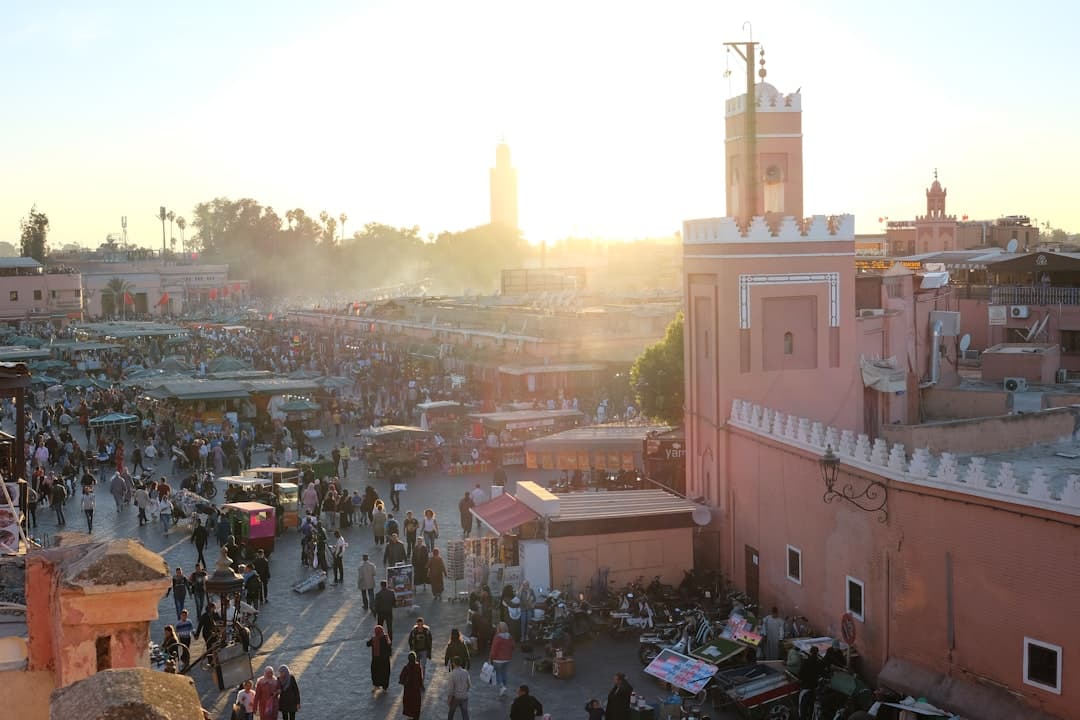
Souk Semmarine is the main artery of Marrakech's ancient medina market, a broad, partially covered thoroughfare that funnels you deep into one of the world's most famous bazaars. It begins just off the Djemaa el-Fna, the legendary central square, and stretches northward, branching into dozens of specialized souks — one for spices, one for leather, one for lanterns, one for carpets — each a self-contained world of craft and commerce. This is not a market that was designed for tourists, though tourists flood it; it has functioned as a trading hub since the city's founding in the 11th century, and the weight of that history is tangible in the worn stone underfoot and the tangle of overhanging wares above.
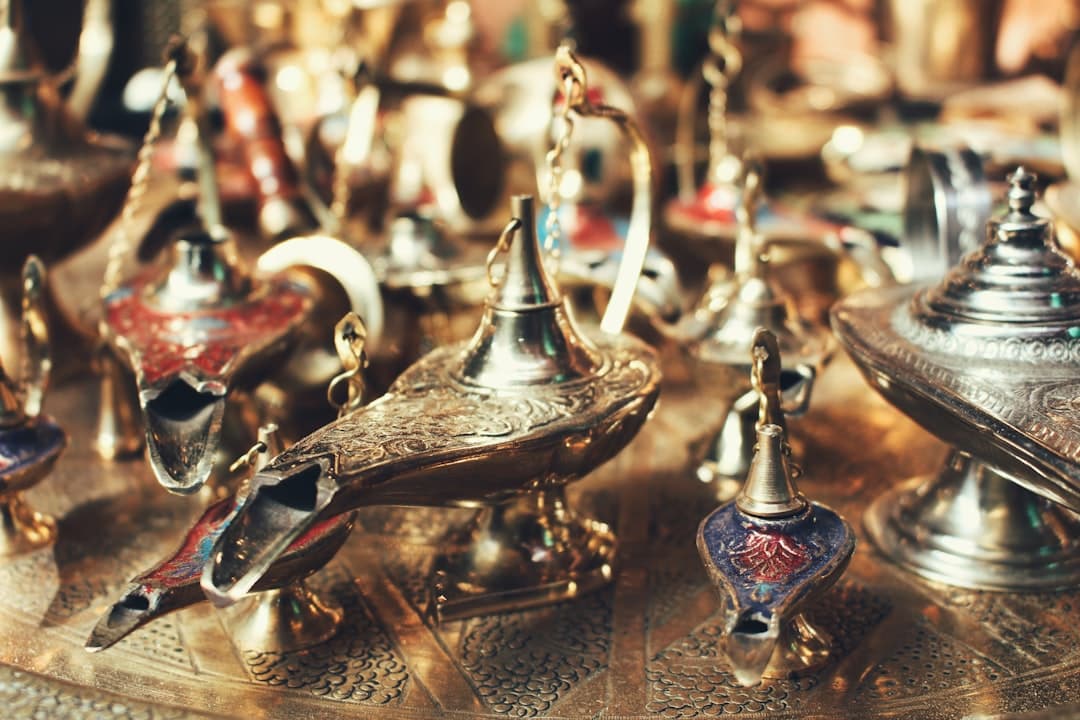
Walking Souk Semmarine means surrendering to sensory overload in the best possible way. The smell of cumin and ras el hanout drifts over from spice vendors; the clatter of a coppersmith echoes from a side alley; hand-dyed wool in saffron and indigo hangs overhead in curtains. Shopkeepers will call out, sometimes persistently, but that's part of the rhythm rather than a reason for alarm. You'll pass stalls selling babouche slippers, argan oil cosmetics, embroidered djellabas, hand-painted ceramics, and mountains of dates. The deeper you push from the main drag into the tributary souks, the more artisanal and authentic the goods tend to become.
The souk runs most reliably in the mornings and early afternoons — by late afternoon it starts to thin. Friday is the one day when some vendors close for midday prayers, so plan accordingly. Bargaining is expected and part of the experience; a common rule of thumb is to start around a third of the asking price and meet somewhere in the middle. If you're serious about buying, having a rough idea of what handmade goods cost elsewhere will serve you better than any haggling script.