Shinjuku Gyoen
A 58-hectare breathing space tucked behind one of Tokyo's busiest train stations.
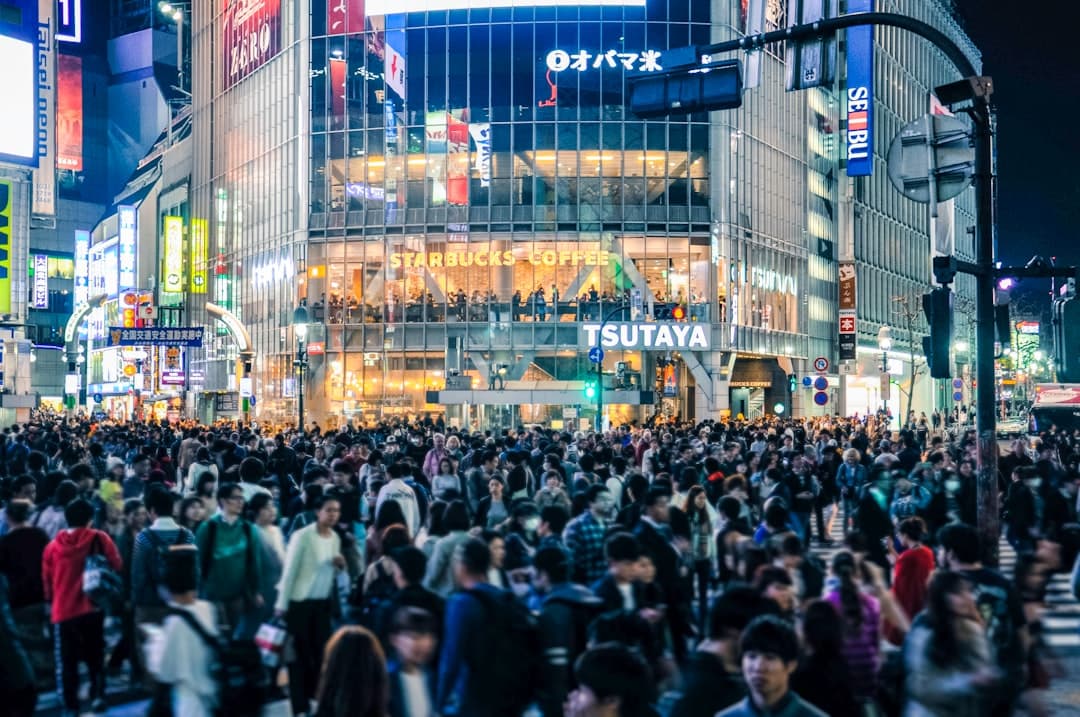
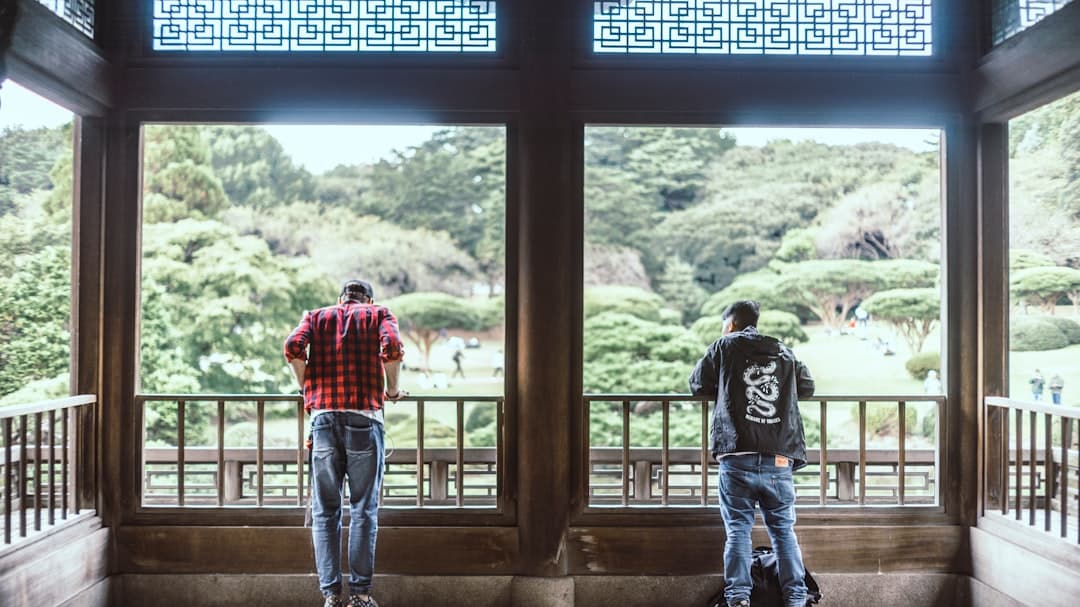
Shinjuku Gyoen is a large national garden in the heart of Tokyo, originally built as an imperial garden in 1906 and later opened to the public after World War II. It sits just a short walk from the chaos of Shinjuku Station — one of the busiest transit hubs on the planet — which makes the contrast when you step inside genuinely startling. The garden is managed by the Ministry of the Environment and covers nearly 60 hectares, blending three distinct landscape styles: a formal French garden, an English landscape garden, and a traditional Japanese garden with ponds, stone lanterns, and clipped pine trees.
Most visitors spend their time moving between these three garden styles, each with its own atmosphere and sightlines. The Japanese garden section has a central pond with a small island and a lovely sense of enclosure. The French garden is open and geometric, anchored by rows of plane trees. The greenhouse near the center houses tropical plants and is worth a look even in good weather. Shinjuku Gyoen is most famous for cherry blossom season — it has over 1,000 cherry trees across multiple varieties, meaning the bloom period here stretches longer than at most Tokyo parks. It's one of the city's premier hanami (flower-viewing) spots.
Alcohol is not permitted inside the garden, which is worth knowing if you're used to the beer-in-the-park hanami culture at places like Ueno. That rule actually keeps the atmosphere calmer and the crowds more manageable. There are small snack kiosks inside, but the vibe is peaceful picnic rather than party. Entry is cheap — around 500 yen for adults — and the garden closes on Mondays. Arrive through the Shinjuku gate or the Okido gate depending on where you're coming from; both are well-signposted.