
Spaccanapoli
Naples / Spaccanapoli

Spaccanapoli

Naples laid bare on a single ancient street that slices the city in two.

🛍️ Shopping🏛️ Sights & Landmarks🍽️ Food & Drink🎭 Arts & Entertainment🏘️ Neighborhoods
🧗 Adventurous🍽 Foodie🎭 Cultural

Spaccanapoli — literally 'Naples splitter' — is a long, arrow-straight boulevard that cuts through the historic center of Naples from east to west, following the grid of the ancient Greek city of Neapolis laid down 2,500 years ago. The street changes names several times along its length (Via Benedetto Croce, Via San Biagio dei Librai, and others), but Neapolitans and visitors alike treat it as one continuous experience. From above, on the hill of San Martino, you can see exactly why it earned its name — a clean incision through the dense, layered urban fabric of the city. It's one of the most important streets in southern Italy, historically and culturally, and walking it is as close as you'll get to understanding what Naples actually is.

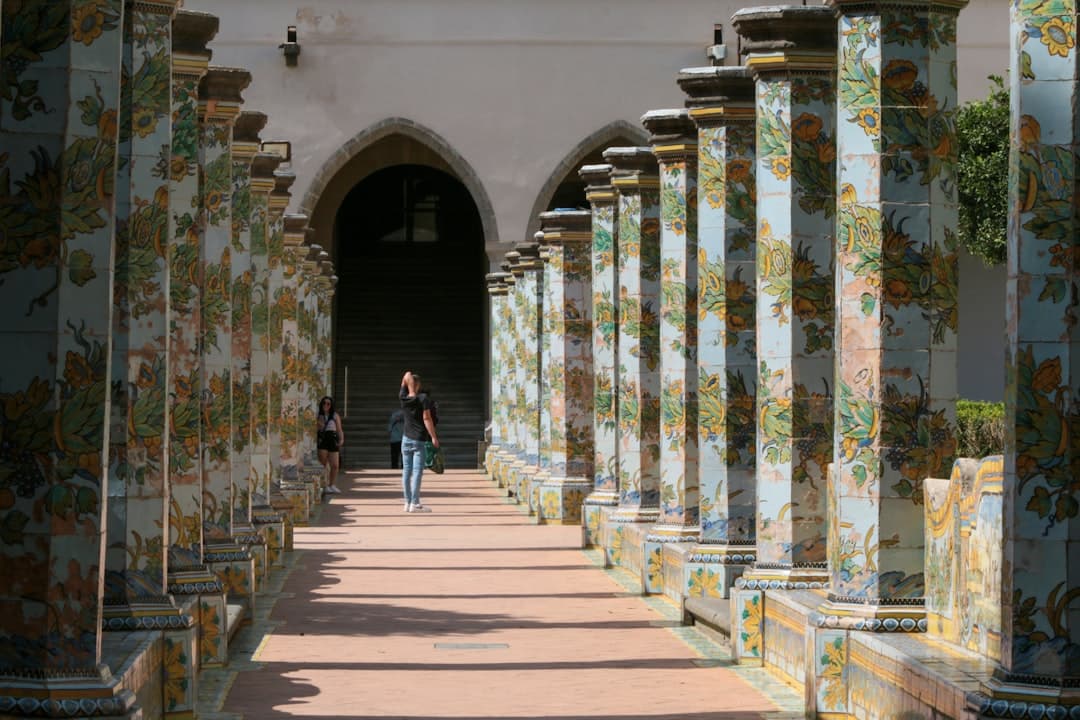
In practice, Spaccanapoli is a full-on sensory experience. You walk past Baroque churches that open without warning onto dark, candlelit interiors; past workshops where artisans carve nativity figurines (the presepe tradition is taken seriously here); past crumbling palazzi whose courtyards hide unexpected beauty. The street is narrow enough that laundry still stretches between windows overhead, and wide enough for motorbikes to squeeze through regardless of pedestrians. Key stops along the way include the Church of Santa Chiara with its remarkable majolica-tiled cloister, the Gesù Nuovo church with its extraordinary diamond-studded facade, and the Piazza del Gesù Nuovo, a natural gathering point. Street food vendors sell cuoppo (fried seafood cones) and pizza fritta from tiny storefronts.

Spacanapoli rewards slow walking and a willingness to duck into doorways. The street gets genuinely crowded on weekend afternoons, so mornings on a weekday are quieter and the light in the churches is better. This is not a cleaned-up tourist corridor — it is a lived-in street, and that's entirely the point. Keep your phone in a front pocket, be aware of motorbikes, and don't rush. The best experiences here are the ones you stumble into.

Local Tips

  1. 1

    Start at the western end near Piazza del Gesù Nuovo and walk east — you'll be moving with the street's natural energy and the best light falls on the facades in the morning from this direction.

  2. 2

    The cloister of Santa Chiara is one of the most beautiful spaces in Naples and costs only a small entry fee — most visitors walk straight past the entrance without realising it's there.

  3. 3

    Don't skip the courtyards of the old palazzi: the doors are often left open and the interiors — hidden fountains, crumbling frescoes, stacked balconies — are extraordinary and completely free.

  4. 4

    Pizza fritta from a street vendor on Spaccanapoli is an essential Naples experience and costs almost nothing — look for places frying to order rather than ones with a stack sitting under a lamp.

When to Go

Best times
December

Via San Gregorio Armeno becomes extraordinary in December, packed with presepe stalls and festive energy — the best time to see this tradition at full intensity.

Weekday mornings

Fewer tourists, better light for church interiors, and a more authentic feel as locals go about their day.

Try to avoid
August afternoons

Heat builds intensely in the narrow street with little shade; humidity makes midday walking genuinely uncomfortable.

Weekend afternoons

The street becomes extremely crowded and slow-moving, particularly near Piazza del Gesù Nuovo and Via San Gregorio Armeno.

Why Visit

01

You're walking a 2,500-year-old street: the layout follows the original Greek city grid, making this one of the oldest continuously inhabited urban axes in the world.

02

The concentration of Baroque churches, artisan workshops, and street food on a single route is unmatched anywhere in Italy — this is Naples at its most theatrical and alive.

03

The presepe (nativity scene) shops along Via San Gregorio Armeno are famous across Italy and sell intricate hand-carved figurines year-round, not just at Christmas.