
Certosa di San Martino
Naples / Certosa di San Martino

Certosa di San Martino

A clifftop monastery with Naples' greatest panorama and an unexpected art collection.

🏛️ Sights & Landmarks🎭 Arts & Entertainment
🌿 Relaxing🎭 Cultural🌹 Romantic

Perched on the Vomero hill above the chaotic, magnificent sprawl of Naples, the Certosa di San Martino is a former Carthusian monastery that has been converted into one of southern Italy's finest museums. Founded in the 14th century and rebuilt in its current Baroque form in the 17th century, it sits inside the Castel Sant'Elmo complex and commands an almost theatrical view over the Bay of Naples, Vesuvius, and the islands beyond. Most visitors come for the view and leave having discovered something far richer.

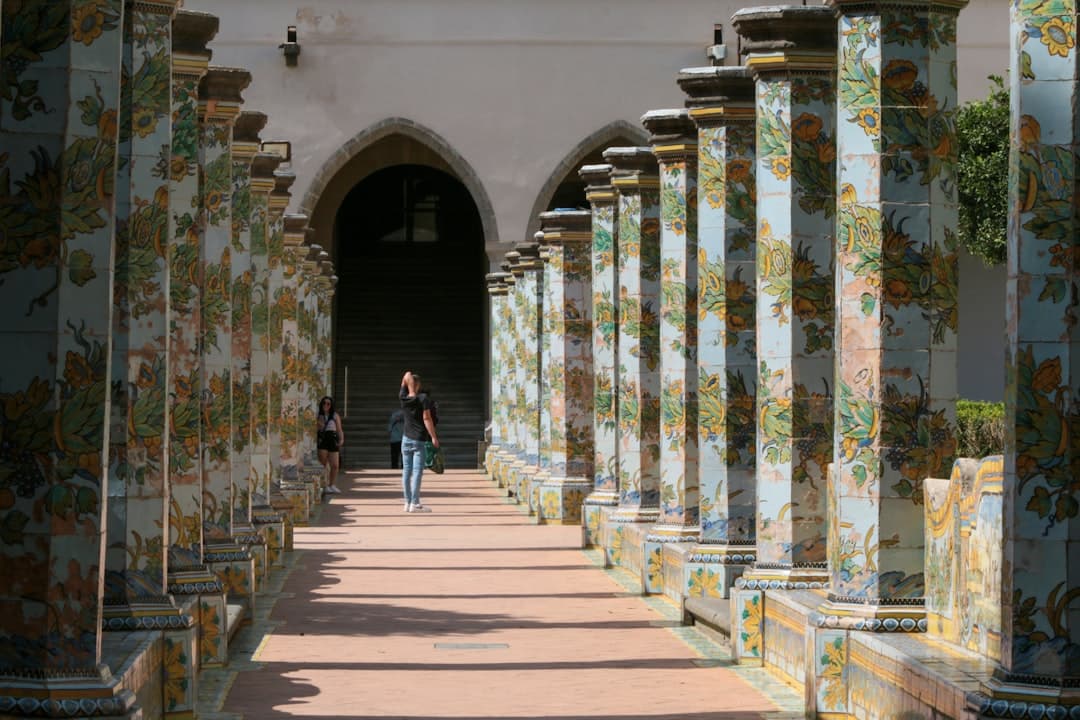
Inside, you'll find an extraordinary accumulation of Neapolitan art, history, and craft. The monastic church is a showpiece of southern Italian Baroque — paintings by Ribera, Caracciolo, and Stanzione cover the walls, and the intarsia marble floors are among the most intricate you'll ever see. Beyond the church, room after room unfolds: historical collections tracing the Kingdom of Naples, nautical artifacts, glass and porcelain from the Royal Factory at Capodimonte, and the famous presepe section — a collection of elaborate Neapolitan nativity scenes (presepi) that are genuinely extraordinary works of art, not kitsch. The Great Cloister, designed with input from Cosimo Fanzago, is one of the most serene and beautiful courtyards in all of Italy.

The Certosa is chronically undervisited relative to its quality, which makes it something of a secret weapon in Naples. Allow at least two to three hours — more if you linger in the cloister or the presepe rooms. The terrace views alone justify the trip up by funicular from the Montesanto or Centrale stations, and the relative quiet compared to the city below makes this a genuinely restorative stop.

Local Tips

  1. 1

    Take the Montesanto funicular to the Vomero hill rather than walking up — it drops you a short walk from the entrance and saves your legs for exploring.

  2. 2

    Wednesday is the closure day; the opening hours listed online are sometimes inconsistently applied around public holidays, so double-check before visiting.

  3. 3

    The cloister garden is one of the most peaceful spots in all of Naples — budget time to just sit there rather than rushing through to the next gallery room.

  4. 4

    After your visit, the streets of Vomero around Piazza Vanvitelli are excellent for a relaxed lunch away from the tourist-heavy centro storico — try the local bars for a proper Neapolitan coffee.

When to Go

Best times
December–January

The presepe collection has particular resonance in the Christmas season, and the monastery draws Neapolitan visitors who add a lovely local energy.

Morning (opening)

Arriving at opening gives you the cloister and church almost to yourself before any tour groups arrive.

Try to avoid
July–August

The climb and outdoor terraces can be uncomfortably hot; midday visits in peak summer are draining even for experienced travellers.

Why Visit

01

The panoramic terrace offers one of the best views in Italy — Vesuvius, the bay, and the islands of Capri and Ischia all visible at once.

02

The church interior is a masterclass in Neapolitan Baroque, with major works by José de Ribera and Giovanni Battista Caracciolo in a single stunning room.

03

The presepe collection — elaborate 18th-century Neapolitan nativity tableaux with hundreds of hand-crafted figures — is unlike anything else you'll encounter.