
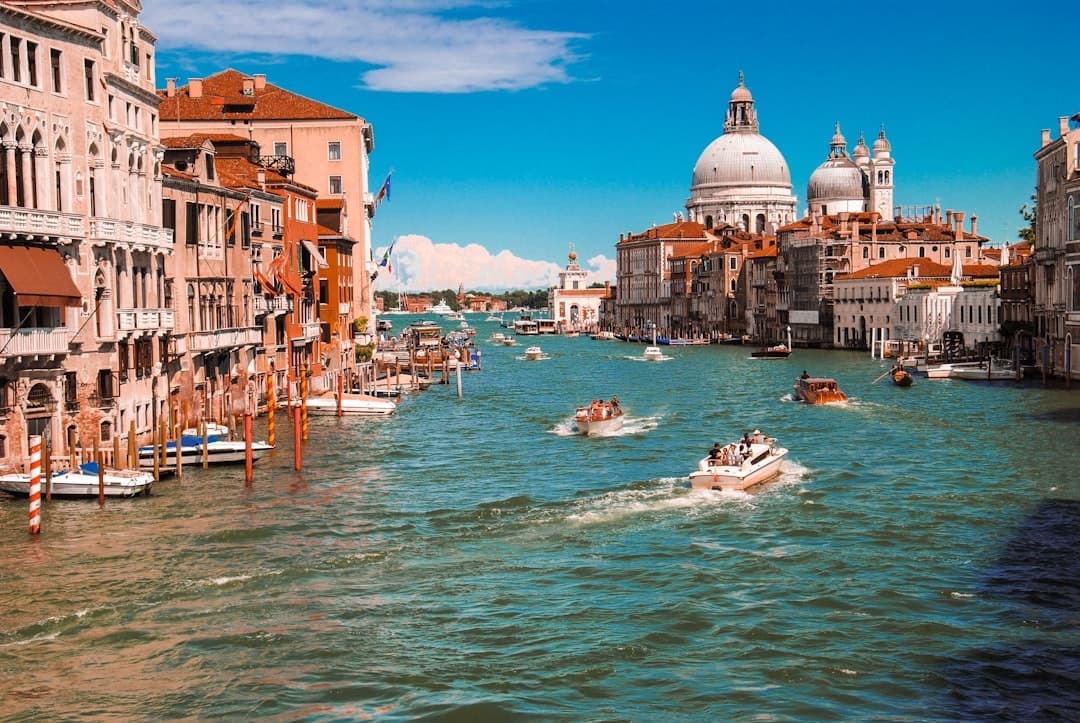
St Mark's Basilica
Venice / St Mark's Basilica

St Mark's Basilica

Byzantine gold mosaics and stolen relics hiding behind Venice's most theatrical facade.

🏛️ Sights & Landmarks🎭 Arts & Entertainment
🎭 Cultural🌹 Romantic

St Mark's Basilica is one of the most extraordinary religious buildings in the Western world — a 1,000-year-old cathedral built to house the stolen bones of St Mark the Evangelist, smuggled out of Alexandria in 828 AD reportedly hidden under layers of pork to deter Muslim customs officials. The basilica was modelled on the great churches of Constantinople and became a showpiece for Venetian wealth and imperial ambition. Every surface is covered in something remarkable: 8,000 square metres of gold mosaic ceiling, columns plundered from across the Byzantine empire, and the famous Pala d'Oro, a jewel-encrusted golden altarpiece that is one of the greatest works of medieval craftsmanship anywhere on earth.

Visiting means moving through a series of progressively more dazzling spaces. The narthex (entrance porch) gives you your first hit of gold mosaic, then the main basilica opens up into something that genuinely takes the breath away — five domes overhead, the air thick with incense and centuries of prayers, the floor undulating like gentle waves from centuries of subsidence. Upstairs, the Museo Marciano includes access to the loggia terrace looking directly over Piazza San Marco, plus the original bronze horses (replicas stand outside) that Napoleon famously looted and Napoleon returned. The Treasury holds Byzantine reliquaries and sacred objects of extraordinary quality.

Sunday mornings before 2pm, the basilica is reserved for worship and tourists cannot enter — worth knowing if you're planning around a weekend. Skip the main queue by booking a time slot online in advance; it takes five minutes and saves potentially hours of waiting in the piazza. Bags and large items cannot be taken inside — there's a free left-luggage service nearby on Ateneo San Basso, just off the square.

Local Tips

  1. 1

    Drop your bags at the free luggage deposit in Ateneo San Basso, the building just to the right of the basilica — backpacks and large bags are strictly forbidden inside and there's no storage on site.

  2. 2

    Sunday before 2pm the basilica is open only for Mass and tourists are excluded entirely — don't schedule your visit on a Sunday morning.

  3. 3

    The Pala d'Oro and the Treasury each require a small additional ticket beyond general admission — both are worth every euro and skipped by most visitors who don't realise they're separate.

  4. 4

    The mosaic above the far-left door of the facade (showing the translation of St Mark's body) is original 13th-century work — one of the oldest surviving mosaics on the exterior and easy to miss among all the visual noise.

When to Go

Best times
Early morning, weekdays in April–May or September–October

Shoulder season weekday mornings offer the best combination of manageable crowds, good light for the mosaics, and pleasant piazza temperatures.

Try to avoid
November–February (Acqua Alta season)

High water flooding can inundate Piazza San Marco and the basilica's lower floor — raised walkways are sometimes erected but access can be restricted and the experience is disruptive.

July–August

Peak tourist season brings enormous crowds and queues that can stretch around the entire piazza — waits of two hours or more are common without a pre-booked slot.

Why Visit

01

The interior ceiling is covered in 8,000 square metres of gold mosaic — one of the largest and most intact Byzantine mosaic programmes anywhere in the world.

02

The Pala d'Oro altarpiece, studded with over 1,900 precious stones, is a masterpiece of medieval goldsmithing that most visitors walk past without fully stopping to take in.

03

The rooftop loggia terrace puts you at eye level with the famous bronze horses and gives you one of the best views available over Piazza San Marco without paying for a cafe seat.