
Stone Town
Zanzibar / Stone Town

Stone Town

A UNESCO-listed labyrinth of coral stone, carved doors, and living history.

🛍️ Shopping🏛️ Sights & Landmarks🍽️ Food & Drink🎯 Activities & Experiences🎭 Arts & Entertainment🏘️ Neighborhoods
🧗 Adventurous🍽 Foodie🎭 Cultural🌹 Romantic

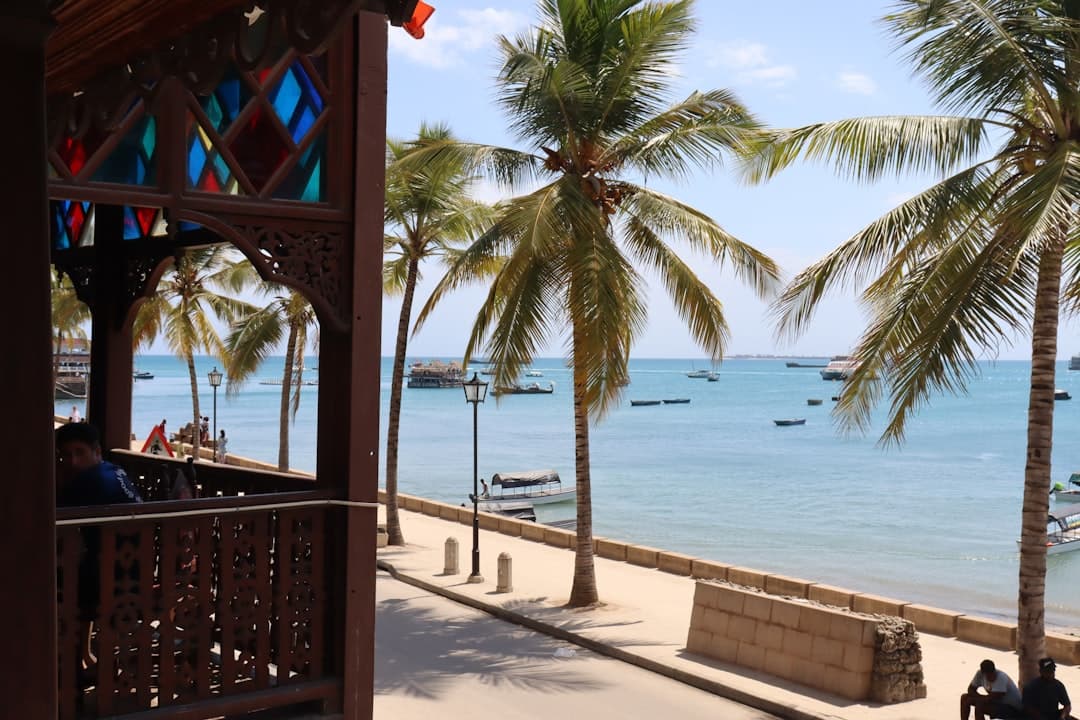
Stone Town is the historic heart of Zanzibar City and one of the best-preserved Swahili trading ports in East Africa. Built largely from coral stone and mangrove timber, it grew into a major hub of Indian Ocean commerce — spices, ivory, and tragically, enslaved people passed through here for centuries. The Sultanate of Oman moved its capital here in the 19th century, and that layering of Arab, Indian, African, and later British colonial influence is written into every building. UNESCO recognized the old town as a World Heritage Site in 2000, and it genuinely deserves it.

Walking Stone Town is the activity. The streets are deliberately narrow — designed to keep out the sun and funnel the sea breeze — and they branch off in ways that will absolutely get you lost, which is exactly the point. You'll pass the ornate House of Wonders (Beit el-Ajaib), the Anglican Cathedral built on the site of the old slave market with its haunting memorial, the Persian Baths of Hamamni, and hundreds of those famous carved wooden doors with their brass studs and geometric detail. The waterfront Forodhani Gardens come alive at dusk with a street food market where locals grill Zanzibar pizza, octopus, and lobster right on the spot. The Old Fort, just behind it, is the oldest standing building on the island and hosts cultural events.

Stone Town is compact enough to walk across in 20 minutes but dense enough to absorb a full day easily. The best strategy is to hire a local guide for the first morning — someone who can explain what you're looking at and take you into places you'd otherwise walk past — then spend the afternoon wandering on your own. Mornings are cooler and calmer; afternoons get hot. Most of the accommodation inside the old town is in atmospheric converted townhouses, which is absolutely the right way to stay if your budget allows.
Local Tips

  1. 1

    Get lost on purpose — put your phone away for at least an hour and just walk. The alleys between Shangani and Kiponda districts hide beautiful old mansions, tiny mosques, and local chai shops that no map will show you.

  2. 2

    Freddie Mercury was born in Stone Town in 1946; the house at Kenyatta Road where he grew up is now a small museum and café called Mercury's, worth a quick visit even just for the curiosity.

  3. 3

    The slave market memorial inside the Anglican Cathedral compound is more affecting than most people expect — allow time to sit with it rather than rushing through.

  4. 4

    Negotiate prices at the Darajani Market and the souvenir stalls firmly but cheerfully — the first price quoted is rarely the real price, and vendors expect and respect a good-natured haggle.

When to Go

Best times
June–October (Kaskazi dry season)

The main dry season brings lower humidity, cooler evenings, and the best conditions for walking the streets. Peak tourist season, but Stone Town handles crowds better than beach resorts.

Dusk daily

The Forodhani Gardens market opens at sunset and is at its best in the first hour — arrive early before the most popular stalls sell out.

Ramadan

Stone Town's significant Muslim population observes Ramadan seriously. Many restaurants close during daylight hours, but the town has a distinct atmosphere and iftar gatherings can be wonderful to witness respectfully.

Try to avoid
March–May (Long rains)

Heavy rainfall can make the narrow stone streets slippery and some outdoor areas unpleasant. Fewer tourists and lower prices, but expect afternoon downpours.

Why Visit

01

The architecture is genuinely unlike anywhere else — carved coral stone buildings, centuries-old carved wooden doors, and narrow sea-breeze alleys that tell the story of the Indian Ocean's most important trading port.

02

The Forodhani Gardens night market is one of the great street food experiences in Africa — eat fresh grilled seafood and Zanzibar pizza as dhow boats drift past in the harbour.

03

The Anglican Cathedral's slave market memorial is one of the most moving historical sites in East Africa, putting the brutal reality of the 19th-century slave trade into stark, physical terms.