
Stanley Park
Vancouver / Stanley Park

Stanley Park

A 400-hectare forest peninsula jutting into the heart of Vancouver's harbour.

🏛️ Sights & Landmarks🌿 Nature & Outdoors🎯 Activities & Experiences
🧗 Adventurous🌿 Relaxing👨‍👩‍👧 Family-friendly🌹 Romantic

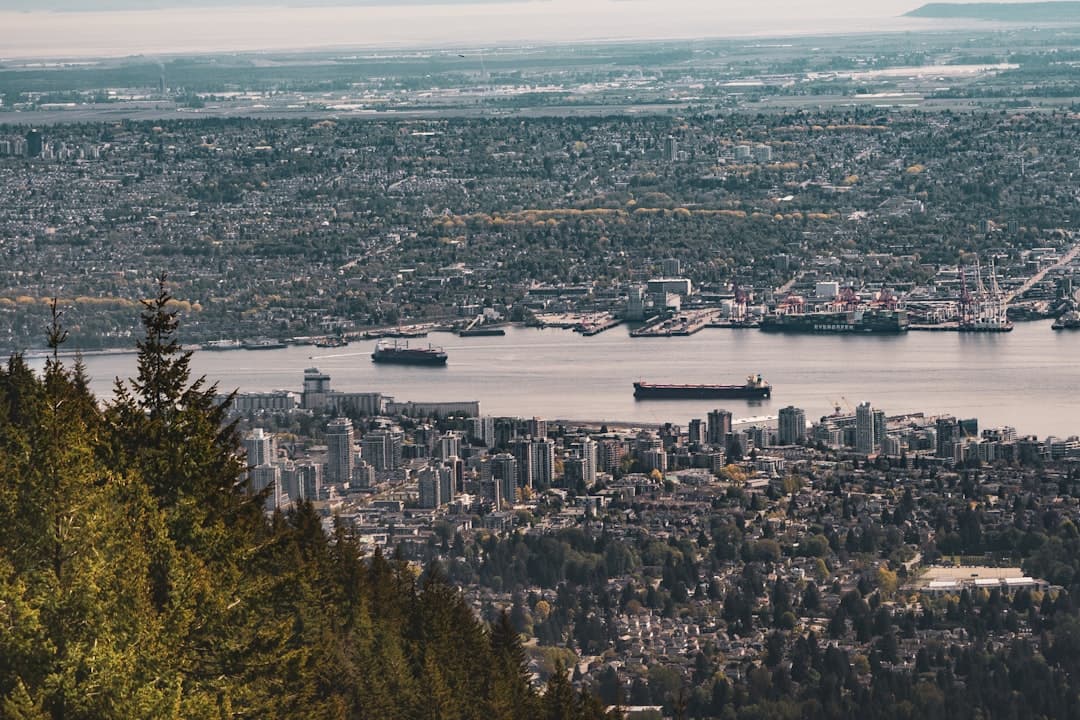
Stanley Park is one of North America's great urban parks — a dense, old-growth forest wrapped around a peninsula on the edge of downtown Vancouver, with the Pacific Ocean on three sides and the city skyline as a backdrop. Established in 1888 and larger than Central Park in New York, it has been the green lung and gathering place of Vancouver for well over a century. It's not a manicured garden or a theme park; it's a genuine forest, with towering Douglas firs and western red cedars that predate European settlement, and a coastline that feels genuinely wild.

The centrepiece experience for most visitors is the Seawall — a 9-kilometre paved path that loops the entire perimeter of the park, equally popular with walkers, joggers, and cyclists. Along the way you pass Siwash Rock, a striking basalt sea stack with deep significance in Squamish First Nations oral tradition, the Lions Gate Bridge framing the North Shore mountains, and the dramatic cliffs of Prospect Point. Inside the park, trails wind through cathedral-like old-growth forest to Beaver Lake, and the famous Totem Poles at Brockton Point — a collection of works by Haida, Kwakwaka'wakw, and other Coast Salish artists — offer a grounding reminder of whose land this has always been. The Vancouver Aquarium sits within the park and is a full attraction in its own right.

The park is free to enter and open year-round, though the Seawall and interior roads are heavily used on sunny weekends. Cyclists should know that the Seawall runs counterclockwise for bikes, and the rental shops clustered just outside the park entrance near Denman Street offer everything from standard bikes to tandems. Go on a weekday morning if you can — the light through the trees before 9am, with mist still sitting on the water, is the version of Stanley Park that Vancouver residents quietly keep to themselves.

Local Tips

  1. 1

    The Seawall is one-way counterclockwise for cyclists — don't go the wrong way or you'll hear about it from locals immediately.

  2. 2

    Rent bikes from one of the shops on Denman Street just outside the park entrance rather than inside — prices are better and availability is greater, especially on busy weekends.

  3. 3

    Prospect Point, at the northern tip of the park, has a café and the best unobstructed view of Lions Gate Bridge from below — it's a short drive or a solid uphill walk from the Seawall.

  4. 4

    The interior forest trails around Beaver Lake are almost always quieter than the Seawall, even on busy days — if you want to feel genuinely alone in old-growth forest ten minutes from downtown, that's where to go.

When to Go

Best times
June–August

Long daylight hours and reliably dry weather make this the best time for the full Seawall loop; early morning visits avoid weekend crowds.

October–November

Autumn colour in the park is genuinely beautiful and crowds thin dramatically after summer — the forest trails are at their most atmospheric.

December–February

Vancouver winters are mild but wet; the park is still walkable but expect rain and reduced visibility across the inlet. The Bright Nights Christmas train in December is a notable exception — a local tradition worth seeking out.

Try to avoid
Sunny summer weekends (10am–3pm)

The Seawall becomes congested with cyclists, joggers, and pedestrians; bike rentals sell out early and parking along the park roads fills completely.

Why Visit

01

Walk or cycle a 9km oceanfront path with views of the North Shore mountains, passing sea stacks, old-growth forest, and the Lions Gate Bridge all in one loop.

02

Stand among a genuine collection of totem poles from Coast Salish, Haida, and Kwakwaka'wakw artists at Brockton Point — one of the most accessible introductions to Pacific Northwest Indigenous culture in the city.

03

Experience old-growth forest — Douglas firs and western red cedars hundreds of years old — just minutes from downtown Vancouver's glass towers.