
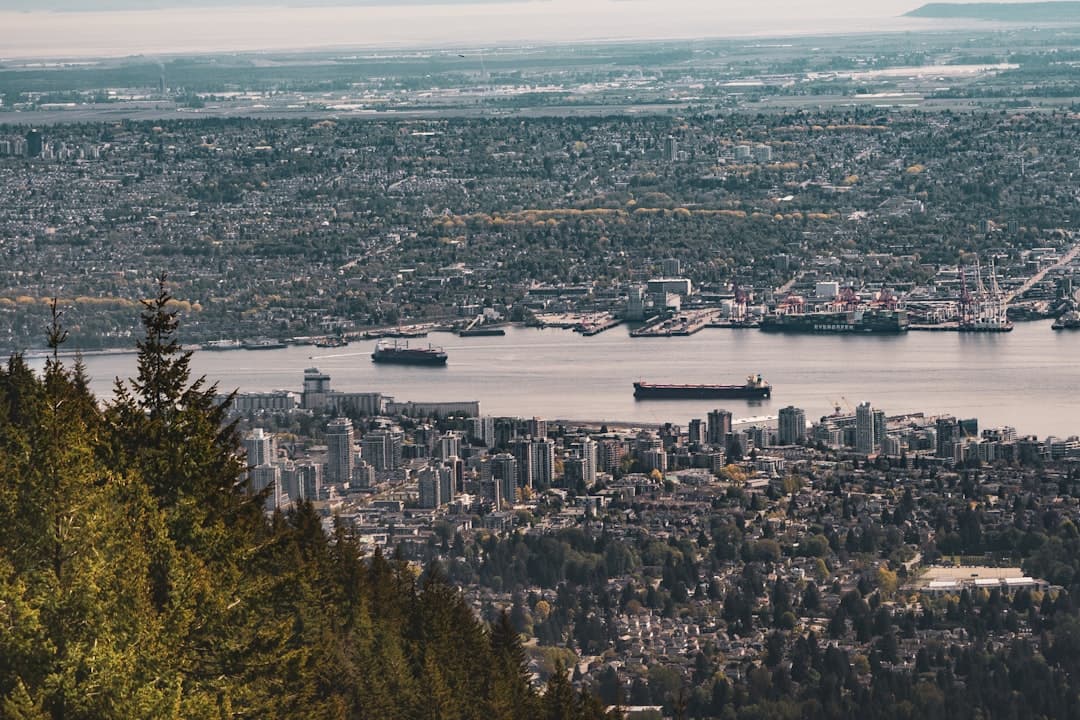
Gastown
Vancouver's oldest neighbourhood, built on cobblestones and reinvented on cocktails.
Gastown is Vancouver's historic heart — a compact, cobblestoned district just east of downtown where the city literally began. In 1867, a saloon-keeper named John "Gassy Jack" Deighton set up a bar near a sawmill on Burrard Inlet, and a rough settlement grew up around it. That founding mythology still hangs in the air: a bronze statue of Gassy Jack stands in Maple Tree Square, and the whole neighbourhood radiates from that original crossroads. Today, Gastown is a designated National Historic Site of Canada, its Victorian brick warehouses painstakingly preserved while the streetscape hums with restaurants, design studios, and independent boutiques.
Walking through Gastown means toggling between eras. The steam-powered clock on Water Street — technically a tourist trap, but a charming one — whistles every fifteen minutes and draws the obligatory crowd. Beyond that, the real Gastown reveals itself: narrow streets lined with exposed-brick restaurants, cocktail bars run by serious bartenders, and galleries selling Indigenous and contemporary Canadian art. Blood Alley, a moody cobblestone lane off Carrall Street, evokes the neighbourhood's gritty past. The area around Gaoler's Mews and Alexander Street has some of the most photogenic architecture in the city, especially in low evening light.
Gastown is small — you can walk its core in twenty minutes — but it rewards slower exploration. It sits right next to the Downtown Eastside, one of Canada's most challenged urban communities, and that adjacency is part of understanding the real Vancouver. The best approach is to arrive in the late afternoon, browse the shops on Water and Hastings Streets, eat dinner at one of the neighbourhood's genuinely excellent restaurants (Chambar, Pidgin, and Save on Meats are local institutions), and stick around for a drink. The neighbourhood's bar scene — anchored by spots like The Diamond and Guilt & Co. — is among the best in the city.