Sultanahmet District
Where three empires left their greatest monuments on a single hill.
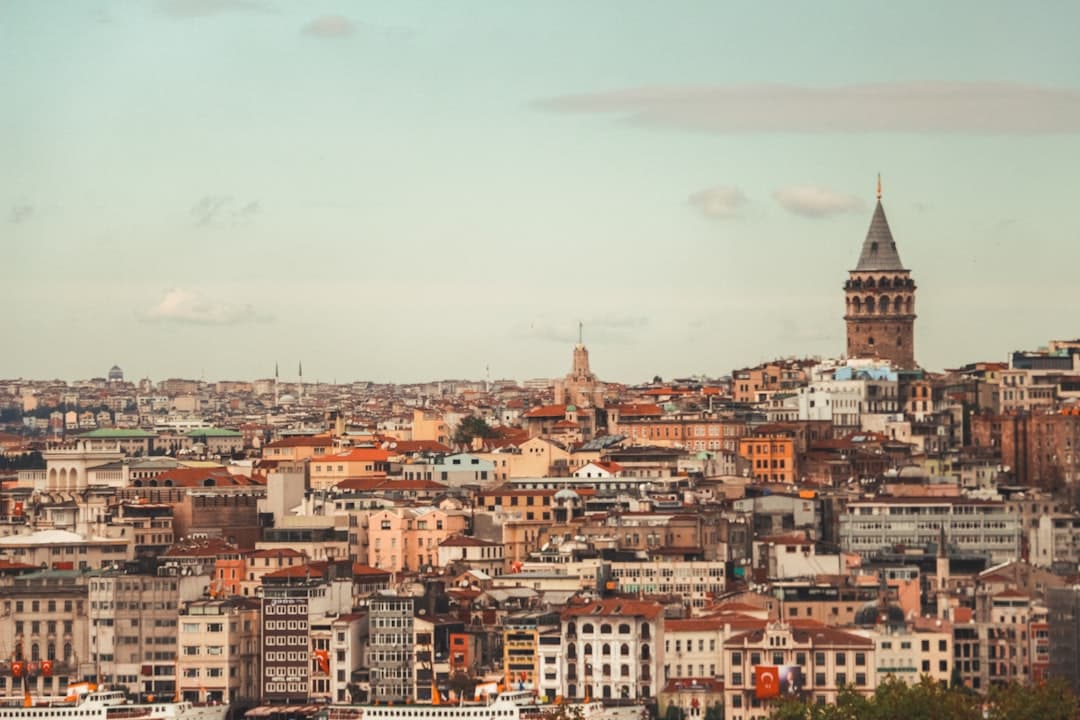
Sultanahmet is the ancient heart of Istanbul — and, before that, the heart of Constantinople, and before that, Byzantium. For roughly 1,500 years this compact peninsula jutting into the Bosphorus served as the ceremonial and political center of two of history's most powerful empires. The result is a concentration of world-class monuments that is almost absurd in its density: the Hagia Sophia, the Blue Mosque, Topkapı Palace, the Basilica Cistern, and the Hippodrome are all within ten minutes' walk of each other. No other neighborhood on earth packs quite this much layered history into so small a space.
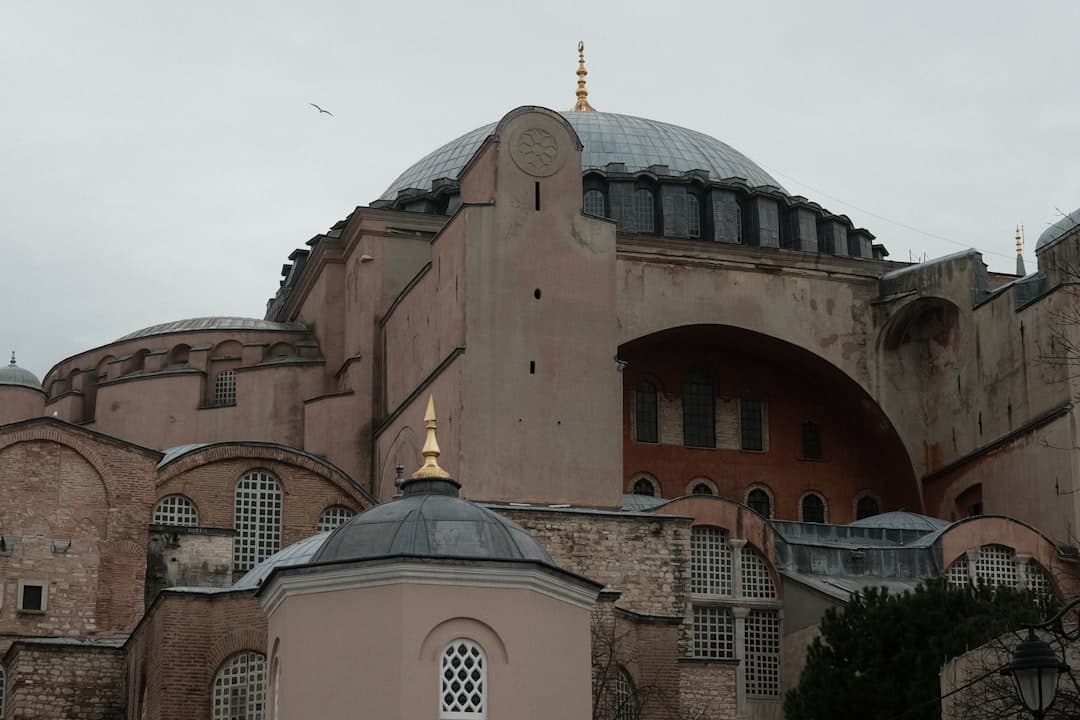
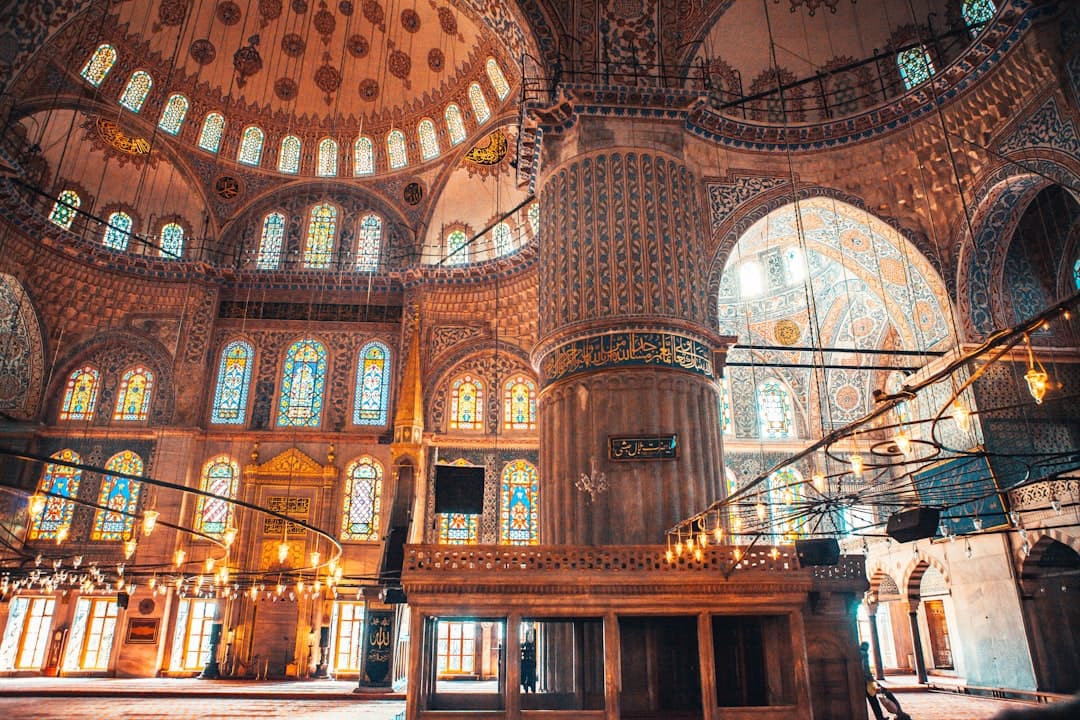
Visiting Sultanahmet means spending your days moving between different centuries and civilizations. You might start inside the Hagia Sophia — built by the Byzantine Emperor Justinian in 537 AD, later converted to a mosque, turned into a museum in 1934, and converted back to a mosque in 2020 — where the scale and the golden mosaics still stun even veteran travelers. Cross the courtyard and you're at the Blue Mosque, with its six minarets and 20,000 hand-painted Iznik tiles. Descend underground to the Basilica Cistern and wander among hundreds of columns reflected in dark water. The Archaeological Museum nearby is one of the finest in the world and rarely gets the attention it deserves. In the evening, the Hippodrome square — once the site of chariot races for 100,000 spectators — fills with locals and visitors enjoying the cooler air.
Sultanahmet is unapologetically touristic, and you should go in knowing that. The restaurants immediately around the Blue Mosque are largely mediocre and overpriced — serious locals eat elsewhere. But the neighborhood rewards those who look past the obvious: the small Ottoman-era hans tucked behind the cistern, the tulip gardens of Gülhane Park just below Topkapı, the quieter northern streets where you can suddenly find yourself entirely alone between two Byzantine walls. Stay in one of the boutique hotels converted from old Ottoman mansions and you'll wake up to the call to prayer echoing off stone — one of the genuinely great sounds of travel.