
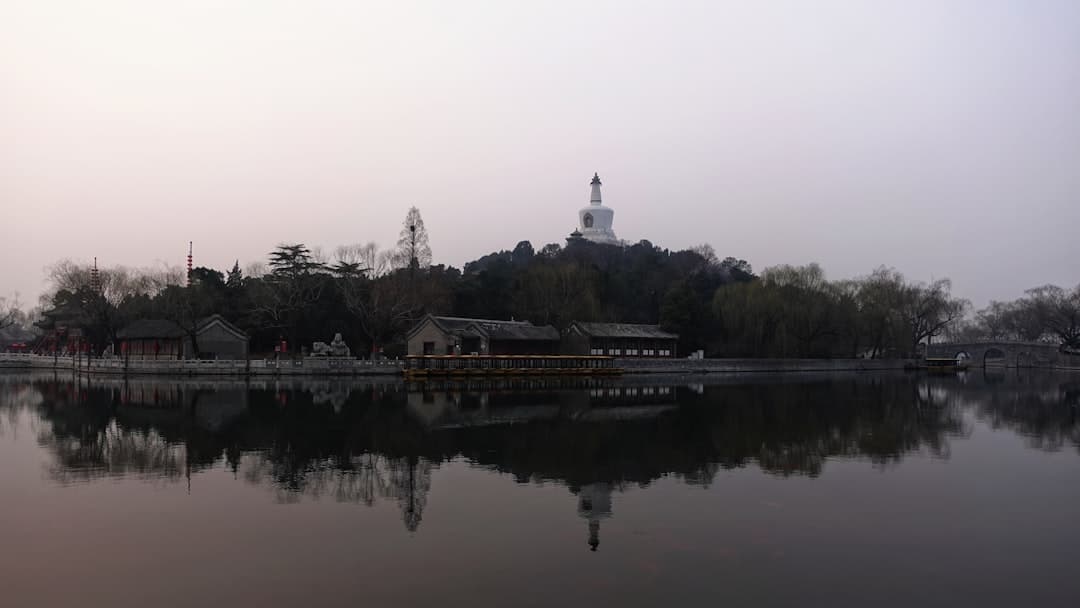
Summer Palace
A 700-acre imperial garden where China's last dynasty retreated from the world.
The Summer Palace is a vast imperial retreat on the northwestern edge of Beijing, built around Kunming Lake and Longevity Hill. Commissioned in the 18th century by Emperor Qianlong and lavishly restored by Empress Dowager Cixi in the late 19th century — famously using funds earmarked for the navy — it served as the Qing dynasty's preferred escape from the Forbidden City. It's one of the best-preserved imperial gardens in the world and a UNESCO World Heritage Site, covering nearly 300 hectares, about three-quarters of which is water.
A visit here is genuinely immersive. You can walk the Long Corridor, a 728-metre covered walkway painted with over 14,000 intricate scenes from Chinese history and mythology, then climb Longevity Hill for panoramic views over the lake and the distant city skyline. Rowboats and electric ferries cross Kunming Lake, and in winter the frozen lake becomes a skating rink. The Marble Boat — a folly Cixi built at the lakeshore using those diverted naval funds — is one of history's great acts of imperial self-indulgence and worth finding. The Garden of Harmonious Interest, tucked in the northeast corner, is a miniature garden-within-a-garden modelled on Jiangnan water gardens and often quieter than the main circuits.
Arrive early — gates open at 6am — to beat tour groups and catch the light on the lake before the crowds arrive. The park has multiple entry points and ticket tiers: a basic through-ticket gets you in, but a combined ticket covers the key indoor halls and boats. Winter visits are underrated: fewer visitors, bare willows reflected in grey water, and a melancholy beauty that suits the palace's complicated history.