Takeshita Street
Tokyo / Takeshita Street

Takeshita Street

Tokyo's wildest street, where Harajuku fashion culture lives in vivid, chaotic color.

🛍️ Shopping🏛️ Sights & Landmarks🎯 Activities & Experiences🏘️ Neighborhoods
🧗 Adventurous👨‍👩‍👧 Family-friendly🎭 Cultural

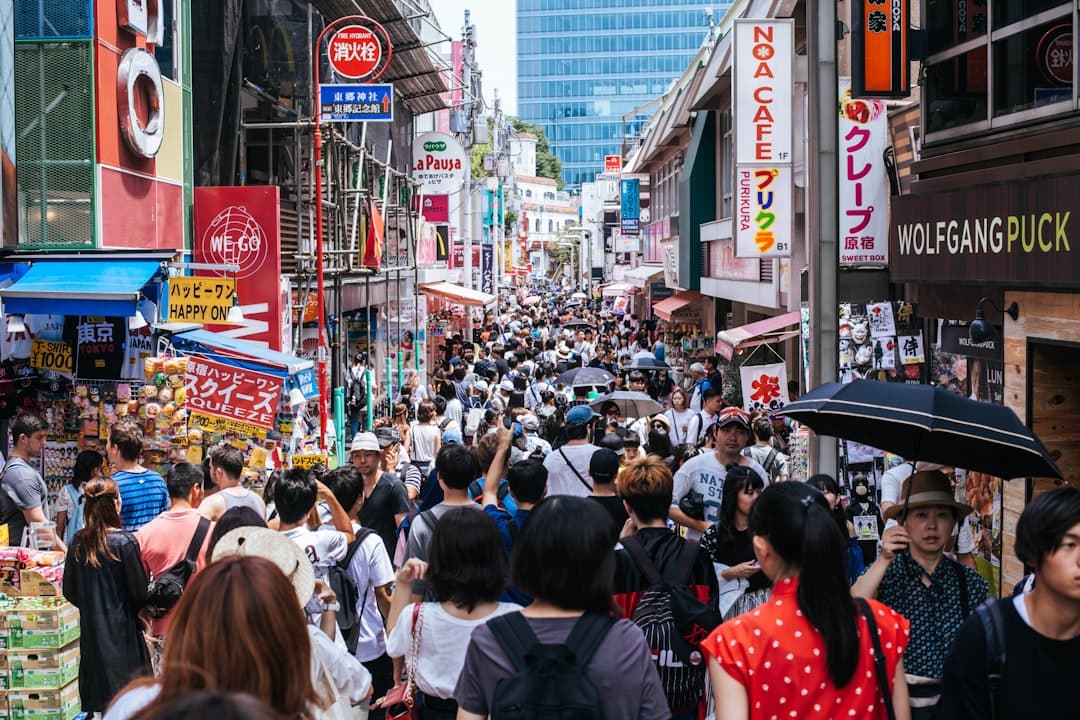
Takeshita Street is a narrow, 350-meter pedestrian lane running through the heart of Harajuku, one of Tokyo's most iconic youth culture districts. It has been the birthplace and runway of Japan's most extreme street fashion movements since the 1970s and 80s — from Lolita and Visual Kei to decora and kawaii culture. What happens here doesn't stay here; the looks and trends that emerge on Takeshita have influenced fashion designers and subculture scenes around the world.

Walking the street is an experience in full sensory overload, in the best possible way. The lane is packed shoulder-to-shoulder on weekends with teenagers, tourists, and style obsessives. Shops sell rainbow-colored crepe cakes, cotton candy the size of your head, and outfits that would stop traffic anywhere else on earth. You'll find cheap vintage layering pieces next to wild cosplay accessories, quirky capsule toy machines, and booths selling handmade accessories. Marion Crepes near the entrance is a Harajuku institution — the queue moves fast and the crepes are legitimately good. Daiso has a multi-floor outpost here if you need a practical pit stop amid the spectacle.

Weekdays are significantly quieter and far more navigable than weekends, when the street becomes nearly impassable. If you want to see the fashion scene at its most theatrical, Sunday afternoon is peak time — but budget your patience accordingly. The street is free to wander, takes about an hour at a comfortable pace, and pairs naturally with a walk through the adjacent Omotesando boulevard or a visit to nearby Meiji Shrine for maximum contrast.
Local Tips

  1. 1

    Marion Crepes near the Harajuku Station entrance is the original and still the best — it's been here since 1976 and the strawberry and fresh cream version is the move.

  2. 2

    The second-hand and vintage shops tucked into the side alleys branching off Takeshita often have better finds and lower prices than the main strip stores.

  3. 3

    If you're serious about the fashion subculture scene, Sunday is peak but arrive before noon — by 2pm the crowds make browsing miserable.

  4. 4

    Combine the visit with a walk down Cat Street (Ura-Harajuku), the quieter backstreet parallel to Omotesando, for a more relaxed look at Tokyo's indie fashion boutiques.

When to Go

Best times
Weekday mornings

Crowds thin dramatically — you can actually browse shops and take photos without being swept along by the stream of people.

Try to avoid
Sunday afternoons

Peak crowd times make the street nearly impassable and shopping frustrating, though the people-watching is unmatched.

Golden Week (late April–early May)

One of the busiest periods in all of Tokyo — the street reaches maximum density and wait times for food stalls stretch long.

Why Visit

01

Ground zero for Japan's wildest youth fashion subcultures — the looks here are genuinely unlike anything you'll see elsewhere in the world.

02

A concentrated strip of cheap, chaotic fun: colorful street food, costume shops, vintage finds, and novelty goods all crammed into one walkable lane.

03

It sits steps from both the serene Meiji Shrine and the luxury boutiques of Omotesando, making it the anchor of one of Tokyo's most diverse and rewarding neighborhoods to explore.