
Sunday Walking Street
Chiang Mai / Sunday Walking Street

Sunday Walking Street

Chiang Mai's old city transforms into a bustling open-air market every Sunday night.

🛍️ Shopping🍽️ Food & Drink🎭 Arts & Entertainment🏘️ Neighborhoods
🍽 Foodie👨‍👩‍👧 Family-friendly🎭 Cultural

Every Sunday evening, Rachadamnoen Road — the main artery cutting through Chiang Mai's ancient walled city — shuts down to traffic and fills with hundreds of vendors, performers, food stalls, and locals out for a stroll. The Sunday Walking Street, known locally as the Tha Phae Walking Street or simply the Sunday Market, is one of the most celebrated weekly events in northern Thailand and a genuine cultural institution rather than a tourist contrivance. It stretches roughly from Tha Phae Gate westward through the old city, and the scale of it — the length, the density, the sheer variety — consistently surprises first-time visitors.

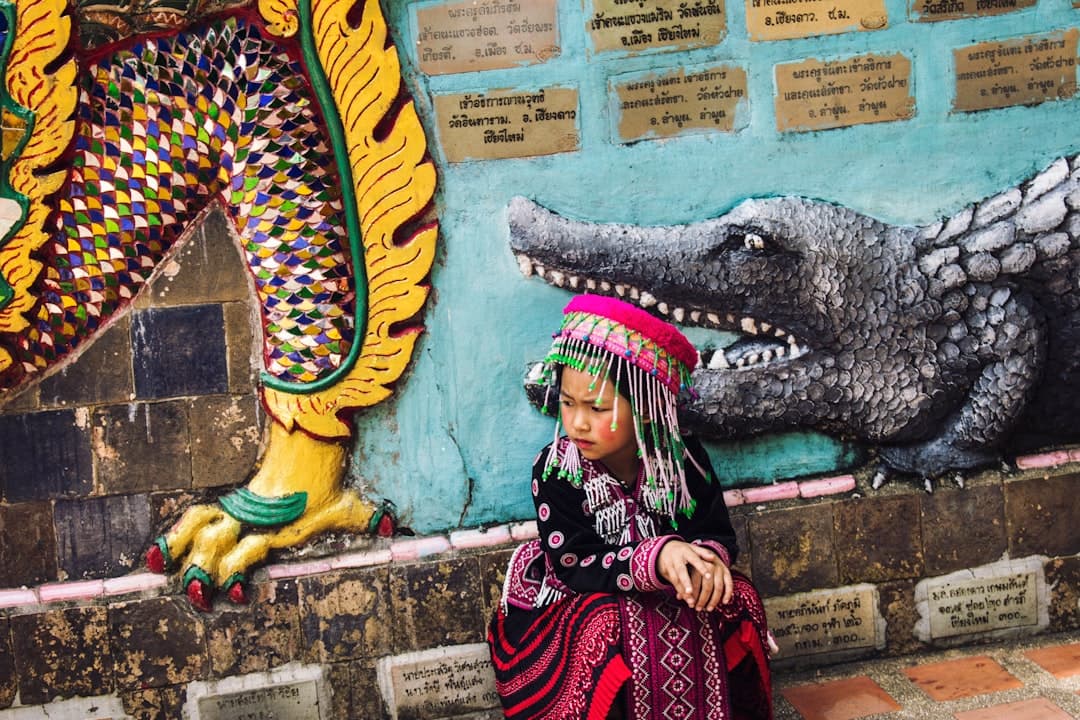
The experience is sensory overload in the best possible way. Vendors sell handmade crafts, hill tribe textiles, silver jewelry, lacquerware, woodcarvings, silk scarves, and ceramic goods — much of it made by the sellers themselves, which distinguishes this market from the souvenir-factory feel of some night markets elsewhere. Between the craft stalls are food vendors selling khao soi, mango sticky rice, grilled corn, sai oua (northern Thai sausage), fresh spring rolls, and fried insects if you're feeling brave. Street musicians, monks collecting alms, and the occasional classical dance performance add to the atmosphere. The whole thing happens against the backdrop of Chiang Mai's old city walls and temple gates, which are softly lit at night.

Arrive by 5:30 or 6pm to get ahead of peak crowds — by 7:30pm the central stretch can become genuinely difficult to navigate. The market runs until around 10pm, and the section nearest Tha Phae Gate tends to be most crowded, while the western end near Wat Phra Singh is a bit calmer and often has more interesting craft vendors. Bargaining is acceptable but not aggressive here — most prices are already reasonable, and vendors are generally friendly. Bring cash; card readers are rare.

Local Tips

  1. 1

    Start at the Tha Phae Gate end by 5:30pm to browse while it's manageable, then move west toward Wat Phra Singh as the crowds build — that end tends to have better craft vendors and fewer tourists.

  2. 2

    Bring only cash — small bills (20s and 100s) are ideal. ATMs near Tha Phae Gate work, but the queues get long on Sunday evenings.

  3. 3

    Don't fill up on food at the first stalls you see. Walk the full length first to compare — the better food vendors and the most interesting snacks tend to be deeper into the market.

  4. 4

    Wear comfortable shoes and be prepared to move slowly. The Sunday market is genuinely crowded at peak time and the pace is a shuffle, not a walk — that's part of it, but flip-flops on cobblestones for two hours will wear you down.

When to Go

Best times
November–February (cool season)

The most comfortable time to visit — evenings are genuinely cool and pleasant, making the long walk enjoyable without sweating through your clothes.

July–September (rainy season)

Afternoon downpours are common; the market still runs but rain can disrupt it and reduce vendor numbers. Arrive early in the evening before any late storms.

Try to avoid
March–April (hot season)

Evening temperatures are still very warm and the market gets smoky from agricultural burning in the region — not the ideal time, but still very much worth a visit.

Why Visit

01

Hundreds of vendors sell genuinely handmade crafts, textiles, and jewelry — real artisan goods at fair prices, not mass-produced souvenirs.

02

The food scene alone is worth coming for: northern Thai specialties like khao soi and sai oua sausage alongside tropical fruit, desserts, and street snacks.

03

The whole market unfolds along a historic road lined with ancient temples and lit-up city gates — it looks as good as it feels to walk through.