
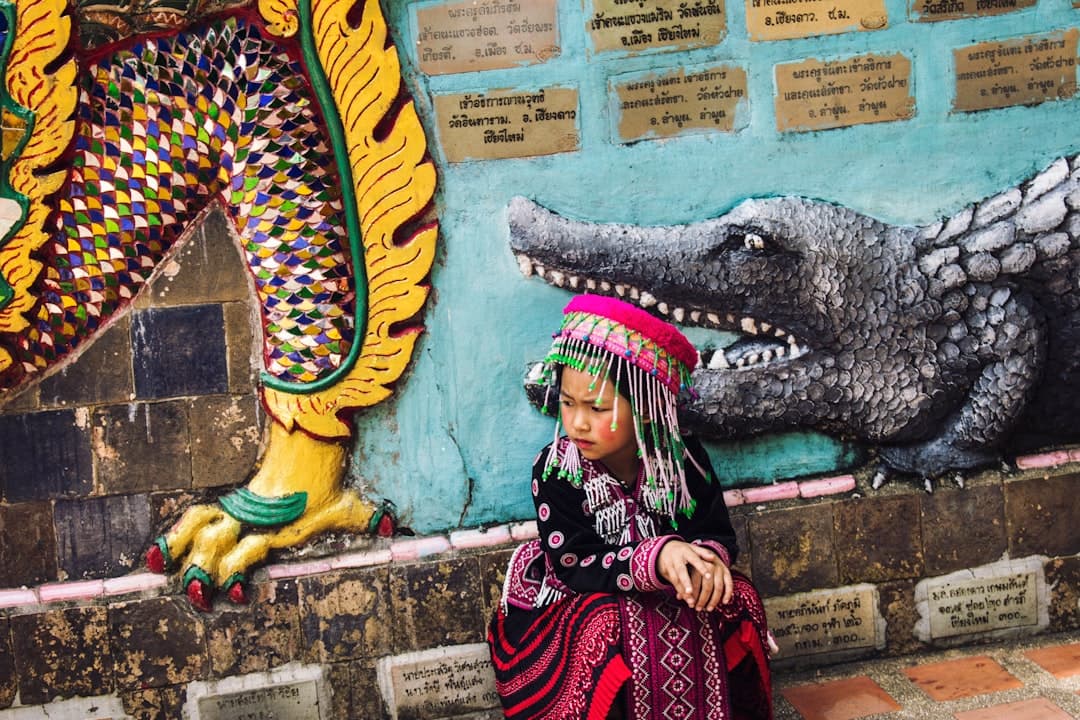
Doi Inthanon National Park
Chiang Mai / Doi Inthanon National Park

Doi Inthanon National Park

Thailand's highest peak, wrapped in cloud forest and twin royal chedis.

🏛️ Sights & Landmarks🌿 Nature & Outdoors🎯 Activities & Experiences
🧗 Adventurous👨‍👩‍👧 Family-friendly🗺 Off the beaten path

Doi Inthanon National Park is home to the summit of Doi Inthanon, standing at 2,565 metres — the highest point in Thailand. Located about 80 kilometres southwest of Chiang Mai in the mountains of the northwest, the park covers roughly 482 square kilometres of dense montane forest, waterfalls, and highland villages. It's a genuinely dramatic landscape that feels worlds away from the city, and for anyone coming from the flat, steamy lowlands, the cool air and lush canopy at the top genuinely surprises.

The park packs a lot into a single day. Most visitors make a beeline for the twin chedis — Naphamethinidon and Naphaphonphumisiri — built in the late 1980s to honour the King and Queen of Thailand, surrounded by manicured gardens full of exotic flowers that bloom brilliantly in the cooler months. From there, the summit is a short drive, marked by a small shrine and, on a clear day, sweeping views into Myanmar. The waterfalls are another highlight: Mae Ya is widely considered the most spectacular in Thailand — a wide curtain of water plunging over dark rock — while Wachirathan is easier to reach and equally impressive up close. Birdwatchers come specifically for the park's remarkable diversity; over 380 species have been recorded here, including endemics you won't find anywhere else in the country.

The park is best treated as a full-day trip from Chiang Mai — leave early, around 6am, to catch the summit before the clouds roll in and to beat the tour groups to the chedis. There's a national park entry fee for foreigners (currently higher than the Thai rate, as is standard), and you'll need your own transport or a hired driver to move efficiently between the waterfalls, summit, and gardens. The road up is well-maintained and the drive itself is scenic. A few small food stalls near the summit sell hot coffee and strawberries grown by hill tribe communities — don't skip them.

Local Tips

  1. 1

    Hire a songthaew (shared red truck) or a private driver from Chiang Mai the night before rather than relying on day-of transport — organised tours from the city often rush you through and leave too little time at each site.

  2. 2

    The summit marker is anticlimactic on its own; it's the surrounding cloud forest boardwalk trail near the top that makes it worthwhile. Walk it slowly and look for the moss-covered trees — it feels like another world.

  3. 3

    Food stalls near the summit sell hot strawberry juice and fresh strawberries grown by Hmong hill tribe farmers — it's cheap, warming, and genuinely good. This is one of the few places in Thailand where strawberries are actually in season.

  4. 4

    If you only have time for one waterfall, choose Mae Ya over Wachirathan — it's further from the main road and slightly less accessible, which is exactly why most tour groups skip it.

When to Go

Best times
November to February

The cool season brings clear skies, blooming flowers around the chedis, and temperatures near the summit that can drop close to freezing overnight. This is peak season for a reason — visibility is best and the landscape is at its most dramatic.

June to October

The wet season keeps the waterfalls full and the forest intensely green, and crowds thin considerably. Trails get slippery and some roads may flood briefly, but determined visitors find the park beautiful and far quieter.

Early morning (before 8am)

Clouds typically roll in over the summit by mid-morning. An early start gives you the best chance of clear views and gets you ahead of the tour bus crowds at the chedis.

Try to avoid
March to May

Hot season brings haze and smoke from agricultural burning across northern Thailand, which can completely obscure summit views and make the experience much less rewarding.

Why Visit

01

Stand at the highest point in Thailand — the summit at 2,565 metres offers a genuine sense of altitude and, on clear mornings, views stretching into Myanmar.

02

The twin royal chedis set against hillside gardens are among the most visually striking monuments in northern Thailand, especially when the flowers are in full bloom between November and February.

03

Mae Ya Waterfall — often called Thailand's most beautiful — is a wide, powerful cascade through old-growth forest that most tourists flying through Chiang Mai never make it to.