Topkapi Palace
Istanbul / Topkapi Palace

Topkapi Palace

Four centuries of Ottoman imperial power, compressed into one extraordinary hilltop complex.

🏛️ Sights & Landmarks🎭 Arts & Entertainment
👨‍👩‍👧 Family-friendly🎭 Cultural🌹 Romantic

Topkapi Palace was the administrative and spiritual heart of the Ottoman Empire for nearly four hundred years, home to sultans from Mehmed II in the 1460s through to the mid-19th century. At its peak it housed thousands of people — officials, concubines, janissaries, cooks, astrologers — and served simultaneously as royal residence, seat of government, and treasury of an empire that stretched from Budapest to Baghdad. It sits on the tip of the historic peninsula where the Golden Horn meets the Bosphorus, a position so strategically and symbolically loaded that the Byzantines built their acropolis here before the Ottomans arrived.

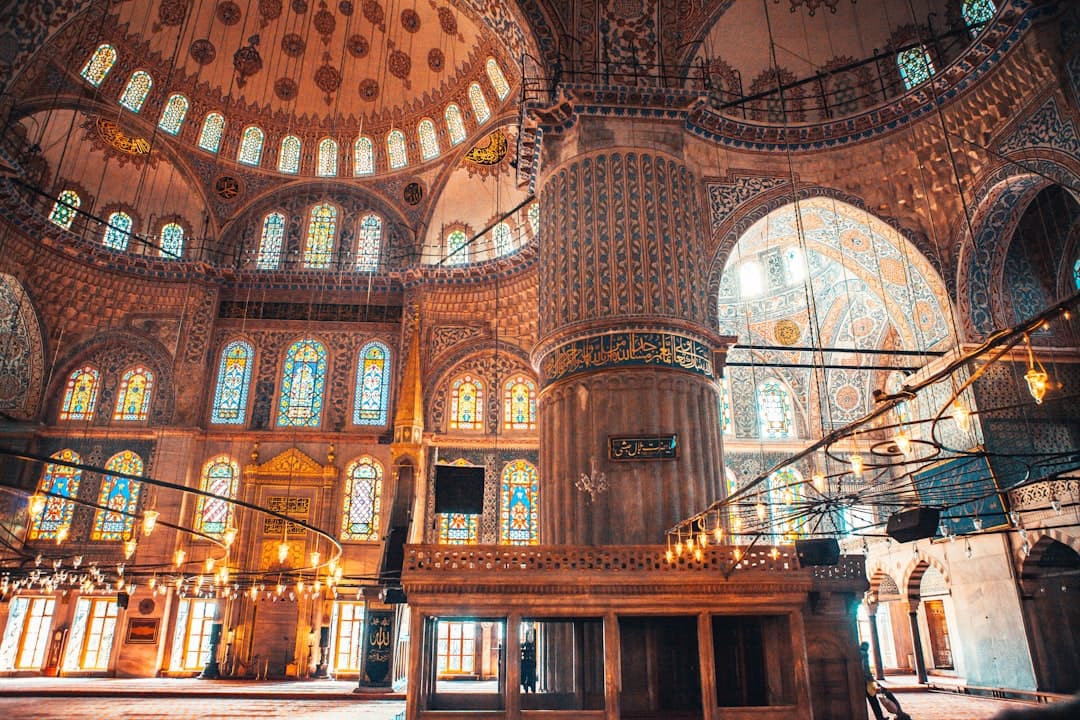
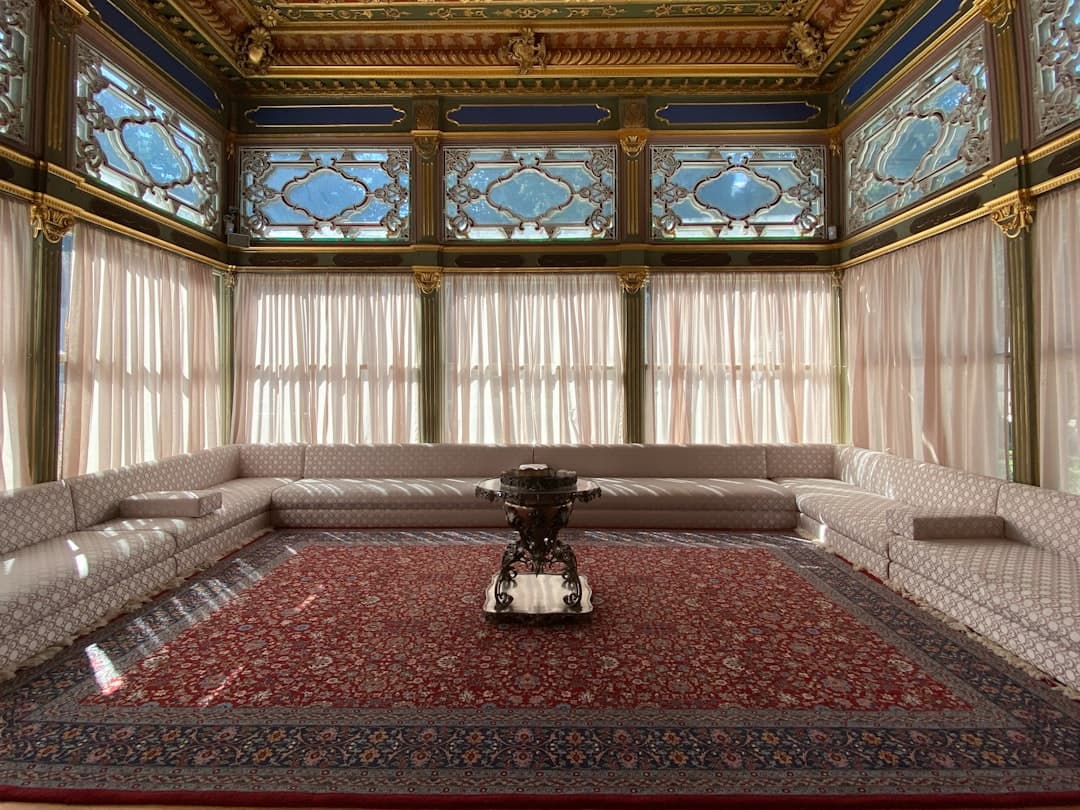
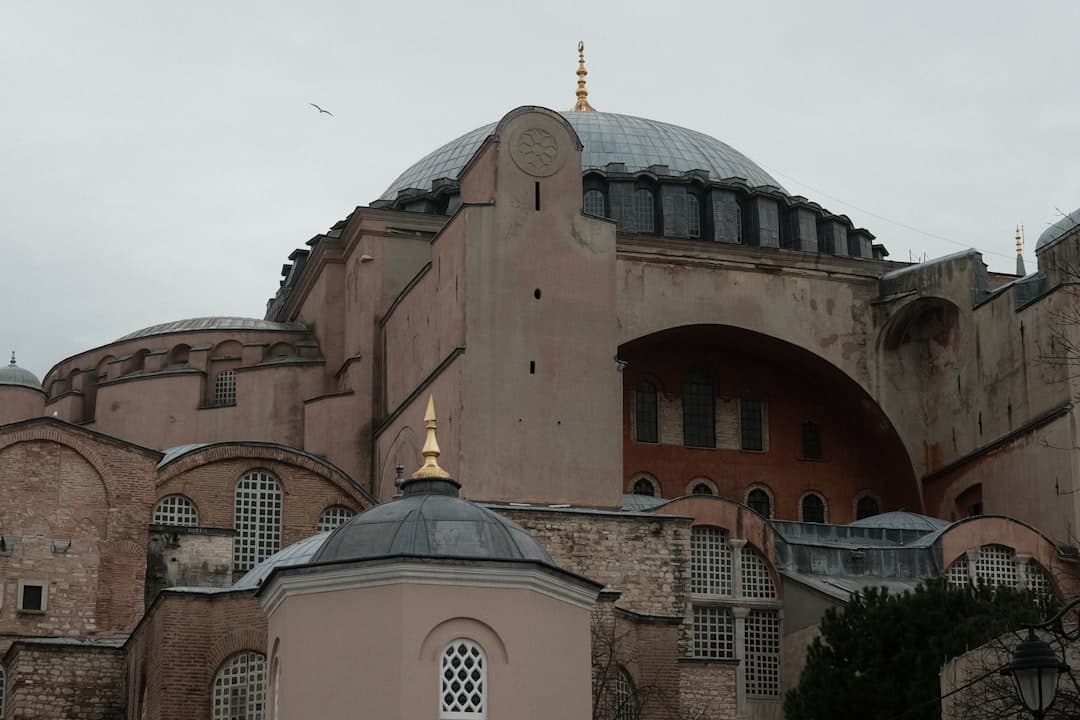
What you actually visit today is a sprawling sequence of courtyards, pavilions, and ornate rooms, each layer revealing something different. The first courtyard is free and open — a good place to get your bearings beside the 15th-century Hagia Eirene church. Beyond the Gate of Salutation, the second courtyard leads to the Imperial Council chambers and the kitchens, which now house one of the world's finest collections of Chinese celadon ceramics. The third courtyard holds the Audience Chamber and the dazzling Treasury, where you'll find the Topkapi Dagger (its emerald-encrusted handle is genuinely jaw-dropping) and the 86-carat Spoonmaker's Diamond. The Harem — a separate ticketed section — is the palace's most intimate and misunderstood space: a labyrinth of tiled rooms and private baths that housed not just concubines but the sultan's mother, children, and domestic court, all of it decorated with some of the finest Iznik tilework you'll see anywhere.

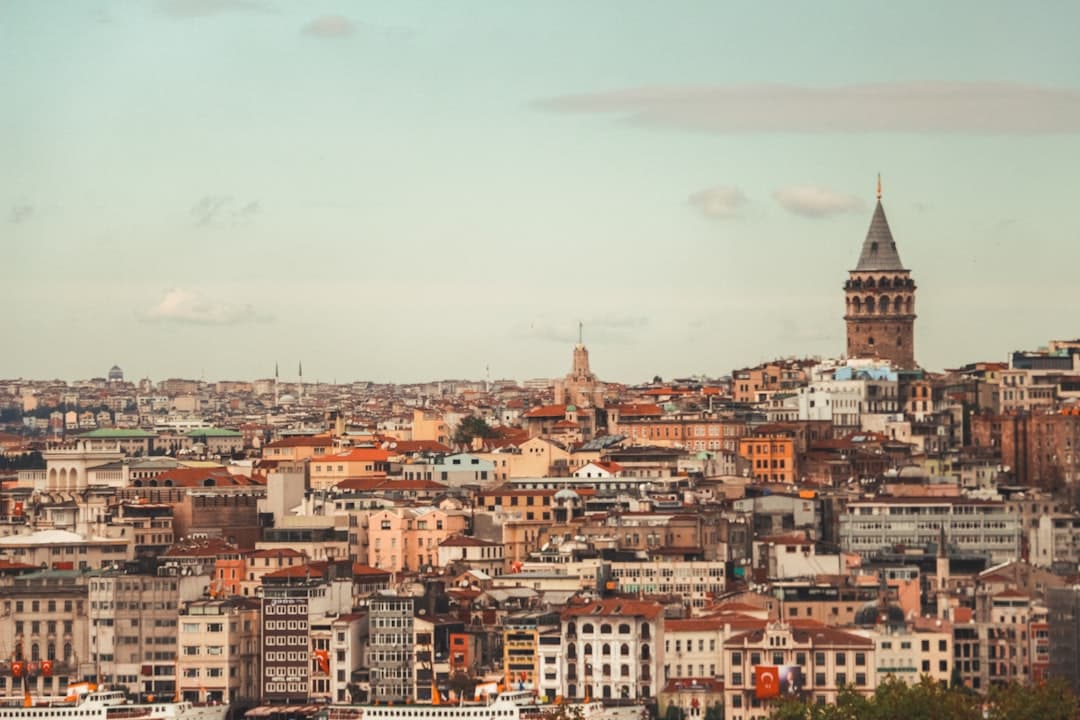
The Palace is busy — very busy, especially in summer — and the crowds can make certain rooms feel less magical than they deserve. Go as early as possible, ideally right at opening. The Harem requires a separate ticket and has timed entry, so buy that online in advance. Tuesday is the closure day. The views from the fourth courtyard's terraced gardens over the Bosphorus and the Asian shore are among the best free panoramas in Istanbul, and easily overlooked when people are rushing between exhibits.
Local Tips

  1. 1

    Start with the Harem first thing in the morning — it's the most atmospheric space in the palace and gets suffocatingly crowded by midday. If you have a timed ticket for later, at least walk through the second and third courtyards first to orient yourself.

  2. 2

    The palace kitchens in the second courtyard are consistently undervisited. The Chinese celadon collection housed there is world-class, and you'll often have the rooms nearly to yourself while everyone else charges toward the Treasury.

  3. 3

    Don't overlook the fourth courtyard's outer terraces — the Marble Terrace with the Revan and Baghdad Kiosks offers some of the best Bosphorus views in Istanbul, and most visitors walk straight past it.

  4. 4

    Tuesday is the weekly closure day, not Monday as some older sources state — confirm before you go, as the provided hours may not reflect temporary changes or holiday schedules.

When to Go

Best times
April–May

Spring is the sweet spot — comfortable temperatures, tulips in bloom in the gardens (historically significant given the Ottoman obsession with tulips), and crowds that haven't yet hit peak summer levels.

October–November

Autumn brings cooler weather, thinner crowds, and clear days with excellent visibility across the Bosphorus from the terrace gardens.

Try to avoid
July–August

Peak tourist season brings extremely dense crowds, especially in the Treasury and Harem. Queues can be brutal and the outdoor courtyards become uncomfortably hot. If you must visit, arrive right at 9am.

Why Visit

01

The Treasury alone justifies the entrance fee — the Topkapi Dagger and the Spoonmaker's Diamond are genuinely among the most impressive objects you'll see in any museum anywhere.

02

The Harem is one of history's most mythologized spaces, and seeing the real thing — tiled halls, private hammams, the sultan's mother's apartments — resets your entire understanding of how Ottoman imperial life actually worked.

03

The fourth courtyard's garden terraces offer sweeping views over the Bosphorus strait and the Asian side of Istanbul, a reminder of exactly why this spot was the center of the world for four centuries.