
Tirta Empul Temple
Bali / Tirta Empul Temple

Tirta Empul Temple

A sacred spring temple where Balinese Hindus come to purify body and soul.

🏛️ Sights & Landmarks🎯 Activities & Experiences
🌿 Relaxing👨‍👩‍👧 Family-friendly🎭 Cultural

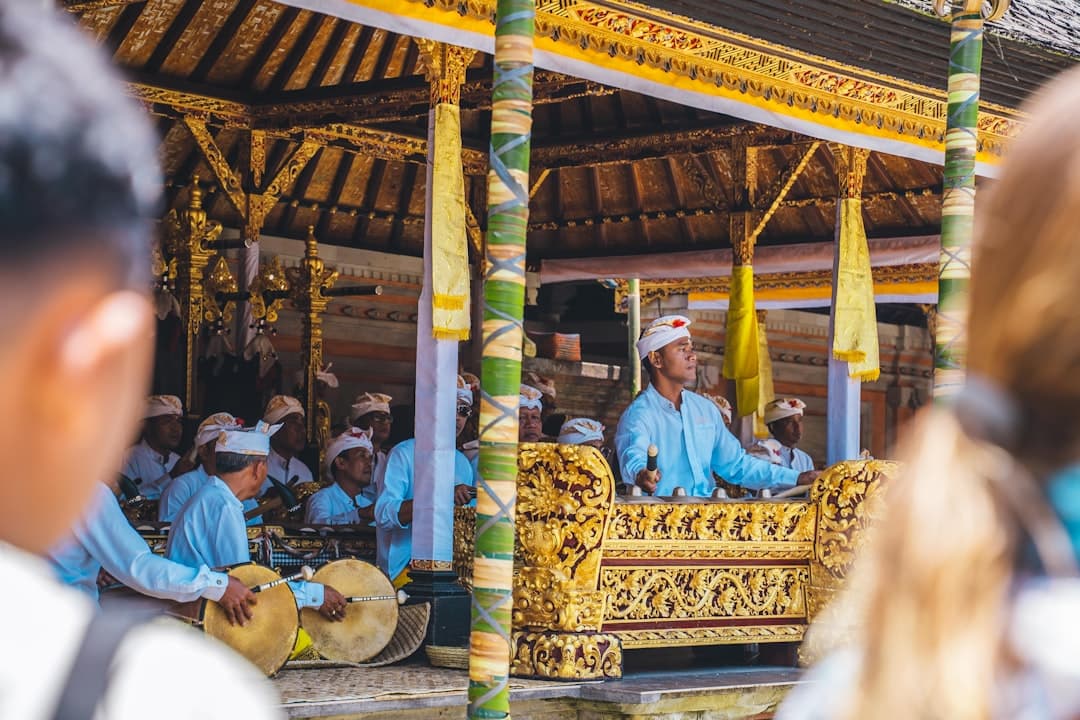
Tirta Empul is one of Bali's most important Hindu temples, built around a natural spring that has been considered sacred for over a thousand years — the complex dates to 962 AD. Set in the lush uplands of Tampaksiring in the Gianyar Regency, about an hour north of Ubud, the temple is dedicated to Vishnu, the god of water, and the spring water that feeds its ritual bathing pools is believed to have healing and purifying powers. This isn't a museum or a cultural showcase — it's a living, working place of worship used daily by Balinese Hindus.

The experience is organized around a large rectangular bathing pool filled with a series of stone fountainheads, each one associated with a different purification purpose. Balinese worshippers — dressed in white or bright sarongs, carrying offerings — move methodically from spout to spout, ducking beneath the water in a ritual called melukat. Visitors are welcome to participate in the purification ritual, and many do: you rent or bring a sarong, collect a small offering, and join the queue at the fountainheads under the guidance of local priests or guides. The inner sanctum of the temple itself is reserved for Hindu worshippers. Above the complex, Sukarno's former presidential rest house overlooks the grounds — an odd but interesting footnote to the site's layered history.

Get here early — before 9am if possible — before the tour buses arrive from Ubud and Seminyak. The ritual bathing experience is far more meaningful and less chaotic when the pools aren't packed with selfie-takers. If you want to participate in melukat rather than just watch, hiring a local guide or going with someone who can explain the proper etiquette will make the experience genuinely moving rather than awkward. The spring water is cold and clear, and even for non-religious visitors, there's something quietly powerful about standing under that flow.
Local Tips

  1. 1

    If you want to participate in the melukat purification ritual rather than just watch, bring a change of dry clothes and a small sealed bag for your valuables — you will get completely wet.

  2. 2

    Sarong rentals are available at the gate, but they're often thin and awkward. Bringing your own sarong (widely sold in Ubud markets) is worth it for comfort and respect.

  3. 3

    The complex is sometimes paired with a visit to the nearby Gunung Kawi temple, just a few kilometres away — one of Bali's most dramatic rock-carved royal monuments and worth combining into a half-day Tampaksiring loop.

  4. 4

    Skip the souvenir vendors who approach in the car park — the entrance area can feel chaotic, but once inside the temple grounds, the atmosphere settles into something genuinely serene.

When to Go

Best times
Before 9am daily

Tour groups from Ubud and southern Bali typically arrive mid-morning. Early entry means quieter pools, more genuine ritual atmosphere, and better light for photography.

Galungan and Kuningan festival periods

The temple is exceptionally beautiful and alive with ceremony during these major Balinese Hindu holidays — a rare chance to witness large-scale religious activity.

Try to avoid
Peak tourist season (July–August)

The bathing pools can become uncomfortably crowded with tour groups, which diminishes the meditative quality of the ritual experience significantly.

Why Visit

01

One of the only places in Bali where visitors can participate in a genuine Hindu purification ritual alongside local worshippers, not just observe from a distance.

02

The spring-fed bathing pools, sacred architecture, and jungle setting make this one of the most visually and spiritually striking temple complexes on the island.

03

It's a rare window into living Balinese Hinduism — the temple is in daily active use, so what you're seeing is real ceremony, not performance.