
Tijuca National Forest
Rio de Janeiro / Tijuca National Forest

Tijuca National Forest

The world's largest urban rainforest, wrapped around Rio's iconic skyline.

🏛️ Sights & Landmarks🌿 Nature & Outdoors🎯 Activities & Experiences
🧗 Adventurous👨‍👩‍👧 Family-friendly🗺 Off the beaten path

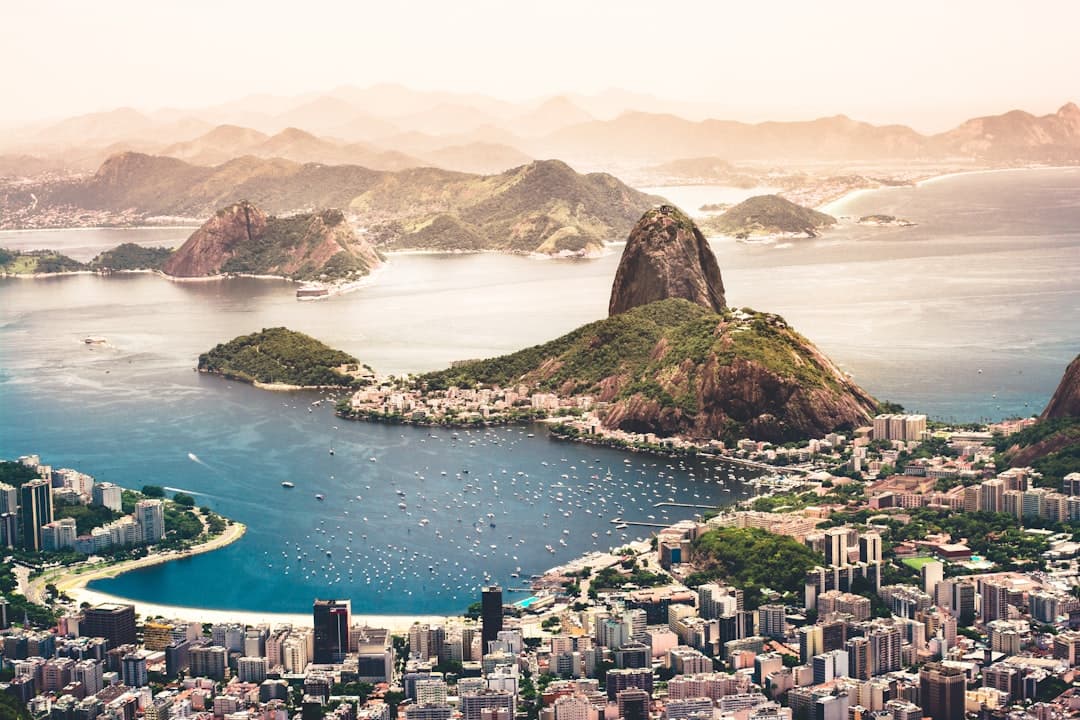
Tijuca National Forest is a vast tract of Atlantic rainforest that blankets the mountains rising directly behind Rio de Janeiro — a 32,000-hectare wilderness sitting inside one of the world's most famous cities. What makes it extraordinary isn't just its size but its story: this forest was almost entirely cleared for coffee plantations in the 18th and 19th centuries, then painstakingly replanted beginning in the 1860s under Emperor Dom Pedro II, making it one of the earliest and most successful reforestation projects in history. Today it's a UNESCO World Heritage Site and home to hundreds of species of birds, mammals, and plants — all within striking distance of Copacabana and Ipanema.

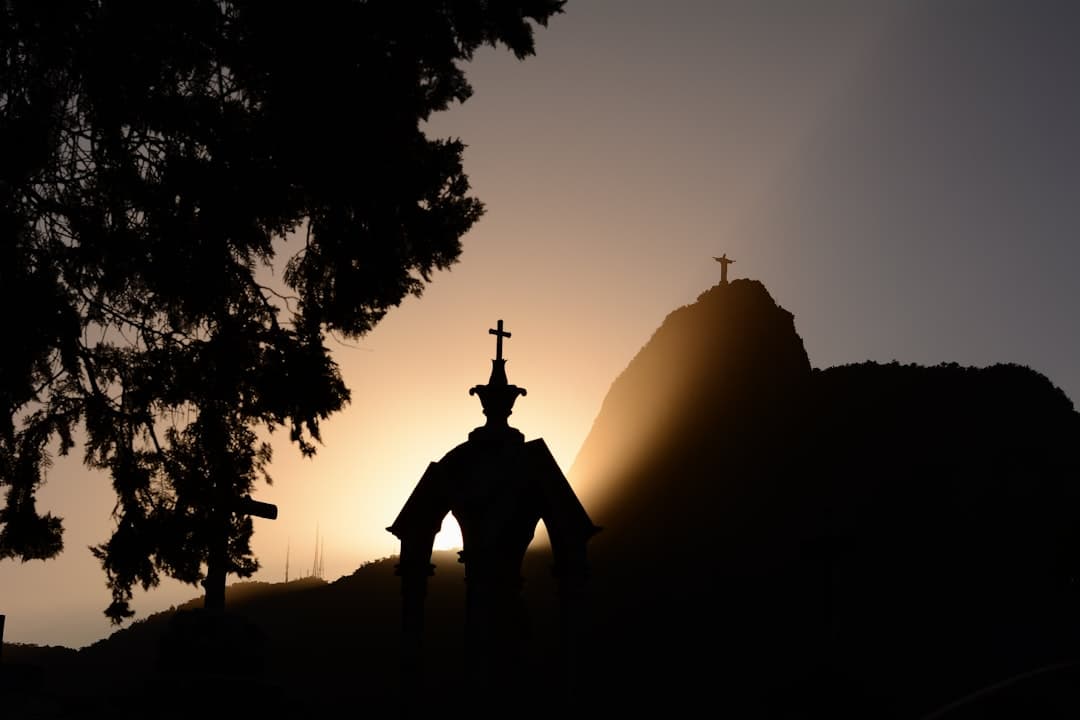
The park is large enough to swallow a full day and then some. Most visitors come to hike to the Pico da Tijuca, the highest point in the park at around 1,021 meters, where the views over Rio — the bay, the beaches, Christ the Redeemer on its neighboring peak — are genuinely breathtaking. But there's far more going on: cascading waterfalls like the Cascatinha Taunay near the main entrance, the historic Mayrink Chapel with its painted panels, lush trails threading past enormous ferns and ancient fig trees, and spots popular with local families for weekend picnics. The park also frames Christ the Redeemer, though Corcovado is technically a separate but connected section of the same protected forest.

The park has multiple entrance points, and getting oriented matters. The main Alto da Boa Vista entrance is the most accessible. Hiring a local guide is genuinely worthwhile — not just for navigation but for spotting wildlife like toucans, capuchin monkeys, and sloths that most self-guided visitors walk straight past. Go early: the forest gets misty and magical in the morning, trails are cooler, and you'll beat both the heat and the crowds. The park's official hours suggest 8am to 5pm, but some areas have different access times, so check before planning a late arrival.
Local Tips

  1. 1

    Hire a local licensed guide rather than going it alone — the trail network is large and not always well-signed, and a good guide will point out wildlife (sloths, capuchin monkeys, toucans) that you'd almost certainly miss on your own.

  2. 2

    The Cascatinha Taunay waterfall near the main entrance is beautiful but heavily visited; if you walk even 20 minutes further into the forest on the Pico da Tijuca trail, the crowds thin out dramatically.

  3. 3

    Bring more water than you think you need — the humidity is intense even on overcast days, and there are no reliable refreshment stops once you're on the trails proper.

  4. 4

    If you're short on time, the Mirante Dona Marta lookout (technically just outside the park boundary but surrounded by forest) gives spectacular views over the city with far less hiking effort than the Pico da Tijuca summit.

When to Go

Best times
June to September

Rio's dry season brings clearer skies, cooler temperatures for hiking, and far less trail mud — by far the most comfortable time to explore the forest.

Early morning (before 9am)

The forest is coolest, mist lingers in the canopy, wildlife is most active, and you'll have popular waterfalls and viewpoints largely to yourself.

Try to avoid
December to March

Summer brings heavy rainfall and intense heat. Trails can become slippery and dangerous, and afternoon downpours are frequent — go early in the morning if visiting during this period.

Weekends and Brazilian public holidays

The park is extremely popular with Rio locals for family outings — parking becomes chaotic and popular spots like Cascatinha Taunay get crowded by mid-morning.

Why Visit

01

An ancient rainforest full of monkeys, toucans, and waterfalls sits literally inside Rio's city limits — it's one of the most unlikely natural escapes of any major city on earth.

02

The hike to Pico da Tijuca rewards you with panoramic views of Rio's full geography — beaches, mountains, bay, and the Christ statue — all from a single vantage point.

03

The forest is a genuine conservation triumph: almost entirely replanted by human hands, it's a living monument to what ecological restoration can achieve, and the biodiversity has bounced back remarkably.