
Christ the Redeemer
Rio de Janeiro / Christ the Redeemer

Christ the Redeemer

A 38-metre concrete Christ watches over Rio from a cloud-piercing peak.

🏛️ Sights & Landmarks🌿 Nature & Outdoors🎯 Activities & Experiences
🧗 Adventurous👨‍👩‍👧 Family-friendly🎭 Cultural

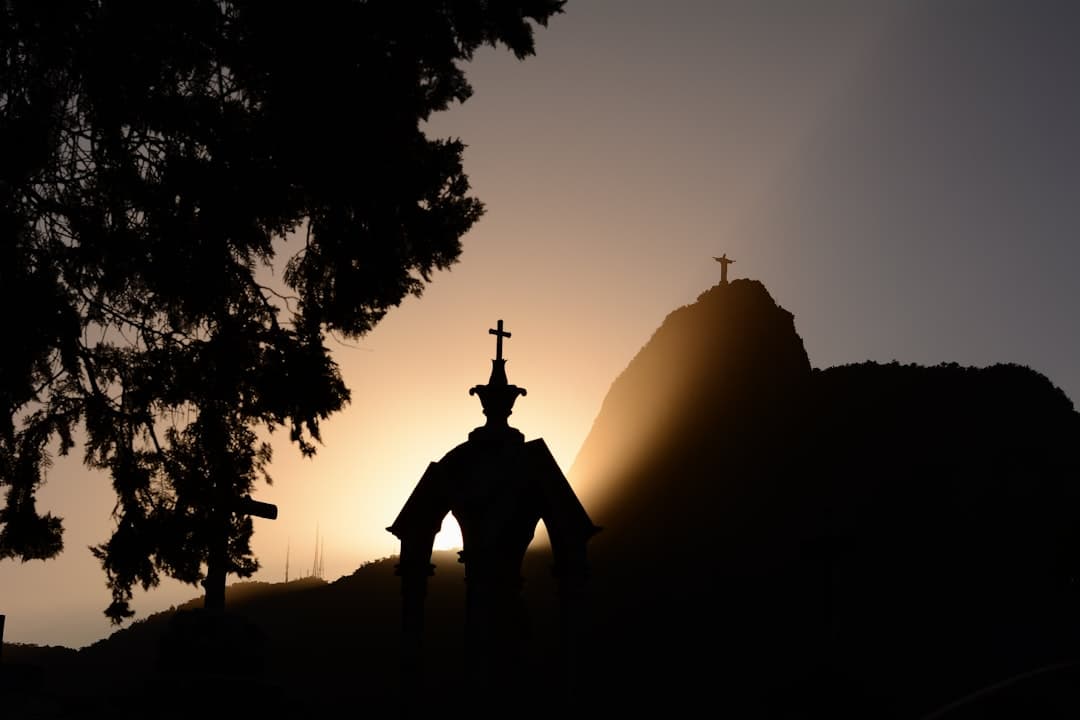
Christ the Redeemer — Corcovado Cristo Redentor in Portuguese — is a colossal Art Deco statue of Jesus Christ standing atop Corcovado mountain, 710 metres above sea level, in the middle of the Tijuca rainforest on the edge of Rio de Janeiro. Completed in 1931 after nearly a decade of construction, the statue was designed by Brazilian engineer Heitor da Silva Costa, sculpted by French artist Paul Landowski, and funded largely by donations from Brazilian Catholics. It was declared one of the New Seven Wonders of the World in 2007. At 38 metres tall with an arm span of 28 metres, it is simply one of the most recognisable structures on earth — and seeing it in person, looming out of the mist above the city, is a genuinely affecting experience.

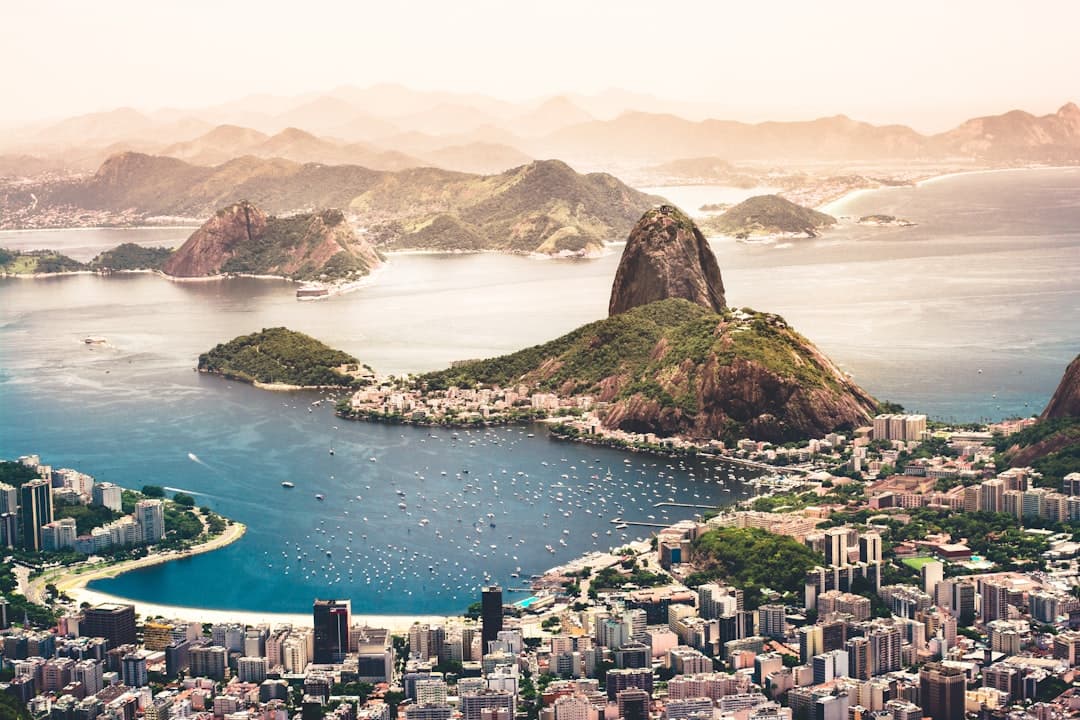
Getting there is half the journey. Most visitors take the Trem do Corcovado, a charming rack railway that departs from Cosme Velho and winds up through thick Atlantic Forest for about 20 minutes, emerging dramatically at the summit. From the base of the statue, you climb a series of escalators or steps to an open platform that surrounds Christ's feet, and the panorama from up there is staggering — Guanabara Bay, Sugar Loaf Mountain, the Maracanã stadium, the curve of Copacabana beach, the favelas clinging to green hillsides. On a clear day it feels like you can see the entire city at once. The statue itself is enormous up close; the face alone is 3.7 metres wide.

Timing matters enormously here. The summit is frequently in cloud — especially in the wet season — and it's also one of Rio's most visited sites, drawing enormous crowds by mid-morning. Book your tickets and timed-entry slot in advance through the official website. Go as early as possible, ideally right at opening, for the best light and thinnest crowds. If you arrive and the summit is socked in, there's no real fallback plan, so check the forecast and have a flexible day around it. The train fills up fast; the van service via Paineiras is an alternative if you miss the railway.

Local Tips

  1. 1

    Check the weather forecast the night before — specifically look for cloud cover at 700m altitude, not just rain. A clear morning can turn cloudy by 10am; the reverse is also possible.

  2. 2

    The rack railway from Cosme Velho is the most atmospheric way up, but the van service from Paineiras is faster and often has more availability if you've missed your train slot.

  3. 3

    A small chapel inside the statue's pedestal — the Chapel of Our Lady of Aparecida — holds regular masses and is open to visitors. It's easy to miss but worth a look.

  4. 4

    The escalators up to the platform are free and efficient, but if you want an unobstructed photo without other tourists, position yourself early on the outermost rim of the platform before the crowds build.

When to Go

Best times
June–September (dry season)

Clearer skies and lower humidity give you the best chance of an unobstructed view from the summit. This is peak season for a reason.

Opening time (8:00 AM)

Crowds are dramatically thinner in the first hour. The light is also softer and more photogenic in the morning, and the summit is least likely to be in cloud.

Try to avoid
December–March (wet season)

Tropical downpours and persistent cloud cover frequently blanket the summit entirely, and you can spend hours waiting for a view that never comes.

Midday (11:00 AM–2:00 PM)

The busiest period of the day. Queues for the train and the escalators can become very long, and the summit can feel overwhelmed.

Why Visit

01

The 360-degree view from the summit — Guanabara Bay, Sugarloaf, Copacabana, and the entire Rio skyline laid out below — is one of the great urban panoramas in the world.

02

The journey up through Tijuca Forest on the historic rack railway is a genuine experience in itself, not just a means to an end.

03

Standing at the feet of a 38-metre statue that appears to have grown directly out of the mountain is an architectural and spiritual spectacle unlike anything else.