
Copacabana Beach
Rio de Janeiro / Copacabana Beach

Copacabana Beach

Rio's most iconic stretch of sand, where the whole city comes to play.

🏛️ Sights & Landmarks🌿 Nature & Outdoors🎯 Activities & Experiences
🧗 Adventurous🌿 Relaxing👨‍👩‍👧 Family-friendly🎭 Cultural

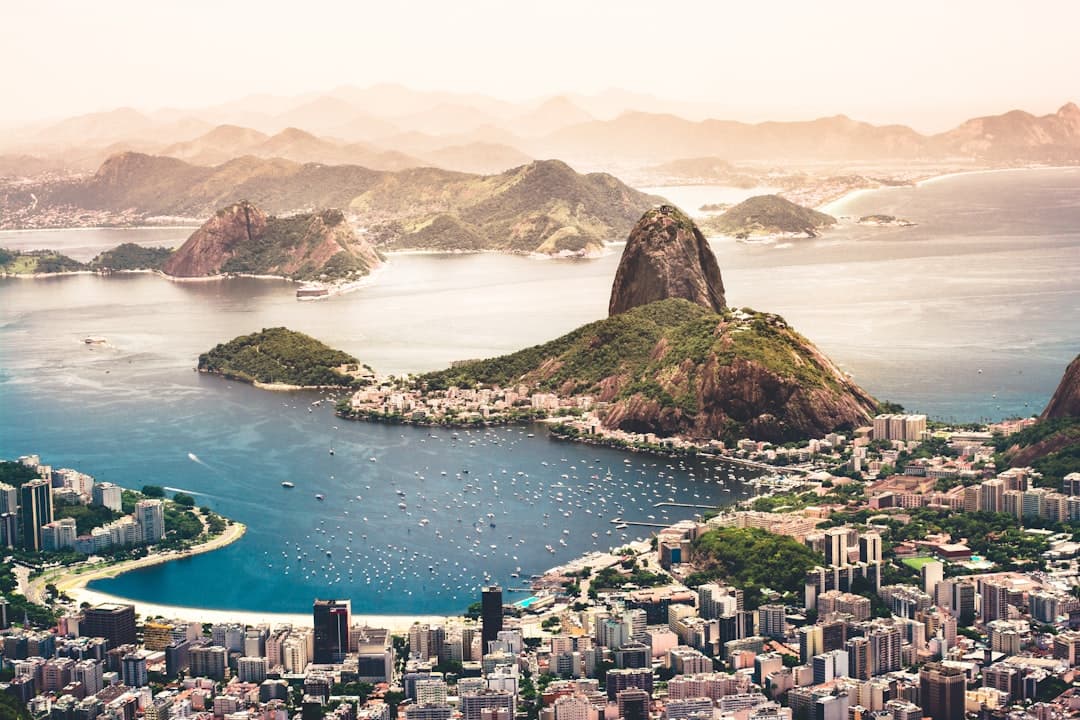
Copacabana Beach is a four-kilometer crescent of golden sand in Rio de Janeiro's South Zone, backed by a mosaic-patterned promenade and a wall of mid-century hotels and apartment buildings. It became one of the world's most recognizable beaches in the 20th century — a place so woven into Brazilian popular culture that it has its own samba, its own mythology, and its own way of life. What makes it extraordinary isn't just the scenery, though the setting between green hills and a churning Atlantic is genuinely dramatic — it's the sheer democracy of the place. On any given day, teenagers playing footvolley next to retirees doing calisthenics next to vendors grilling queijo coalho on skewers next to a wedding photo shoot feels entirely normal here.

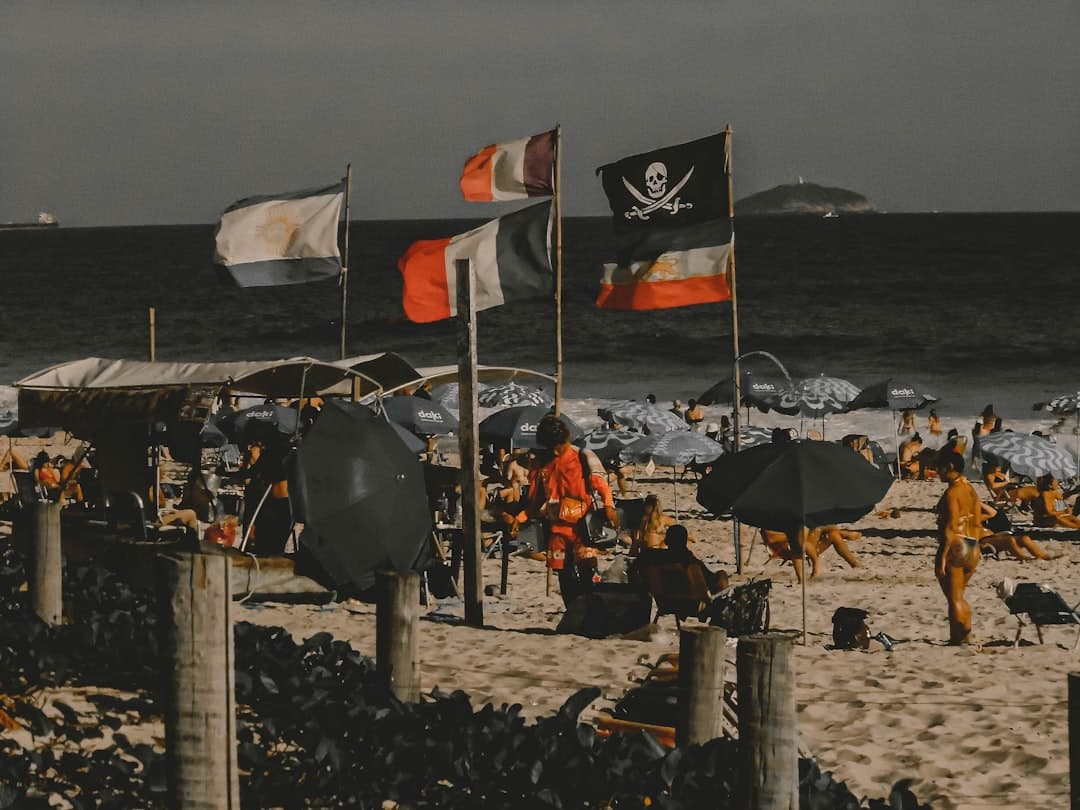
The beach itself is divided into informal sections called postos, numbered 1 through 6, each with its own social character. Posto 6, at the Leme end, tends to be quieter and more neighborhood-oriented. Postos 4 and 5, in front of the Copacabana Palace hotel, draw a more mixed crowd. On the promenade, the famous calçadão — designed with its black-and-white wave pattern by Roberto Burle Marx — stretches the full length of the beach and becomes a morning parade of joggers, cyclists, and dog walkers. The water can be rough and the undertow serious, so swimming is best left to the stretches marked by lifeguards. Mostly, though, people come to see and be seen, to buy a cold Skol from a beach vendor, and to spend an afternoon doing absolutely nothing at pace.

Mornings before 10am are the sweet spot — cooler, less crowded, and genuinely beautiful as the light comes off Sugarloaf Mountain to the west. Avoid taking valuables onto the sand; petty theft is a real concern and the beach's reputation on that front is well earned. The vendors roaming the sand sell everything from açaí bowls to sarongs, and bargaining is acceptable and expected. The promenade's kiosks — barraquinhas — are a good, cheap option for beer, coconut water, and snacks without having to leave the action.
Local Tips

  1. 1

    Leave your passport, expensive camera, and jewelry at the hotel. A cheap waterproof pouch for cash and your phone is all you need — petty theft on the sand is opportunistic and common.

  2. 2

    The beach vendors are part of the experience: flag one down for a cold coconut water (água de coco), grilled queijo coalho cheese on a stick, or mate tea — all affordable and genuinely good.

  3. 3

    Footvolley (volleyball played with football rules — no hands) is a Brazilian institution and Copacabana is one of the best places in the world to watch it. The games near Posto 4 and 5 can be remarkably high-level.

  4. 4

    The promenade is excellent for early morning runs or walks — the full out-and-back from Leme to the Copacabana Fort is just over 8km and one of the great urban running routes anywhere.

When to Go

Best times
December–March (Southern Hemisphere Summer)

Peak beach season with hot weather and long days — the beach is at its most vibrant but also most crowded. New Year's Eve draws millions to the sand for the Réveillon fireworks celebration.

January–February (Carnival season)

Carnival brings enormous crowds and higher prices citywide. The beach itself becomes part of the festival atmosphere — chaotic and electric if you're into it, overwhelming if you're not.

June–August (Winter)

Cooler temperatures (still 20–25°C) mean far smaller crowds and a more relaxed pace. The beach is still perfectly enjoyable, especially on sunny winter days, and accommodation is cheaper.

Try to avoid
Midday in summer (11am–3pm)

The heat is punishing, UV is extreme, and the beach is at peak crowding. Unless you have a beach chair and umbrella sorted, this window is genuinely uncomfortable.

Why Visit

01

The setting is genuinely stunning — a sweeping arc of sand framed by hills and the open Atlantic, with Sugarloaf Mountain visible from the waterline.

02

The beach is a living cross-section of Rio society: street food vendors, footvolley matches, capoeira groups, and impromptu samba sessions all coexist in real time.

03

Roberto Burle Marx's iconic wave-patterned promenade is one of the great pieces of public design in the world, and it's completely free to walk.