
Tulum Mayan Ruins
Tulum / Tulum Mayan Ruins

Tulum Mayan Ruins

Ancient Mayan city perched on a cliff above a Caribbean beach.

🏛️ Sights & Landmarks🌿 Nature & Outdoors🎯 Activities & Experiences
🧗 Adventurous👨‍👩‍👧 Family-friendly🎭 Cultural

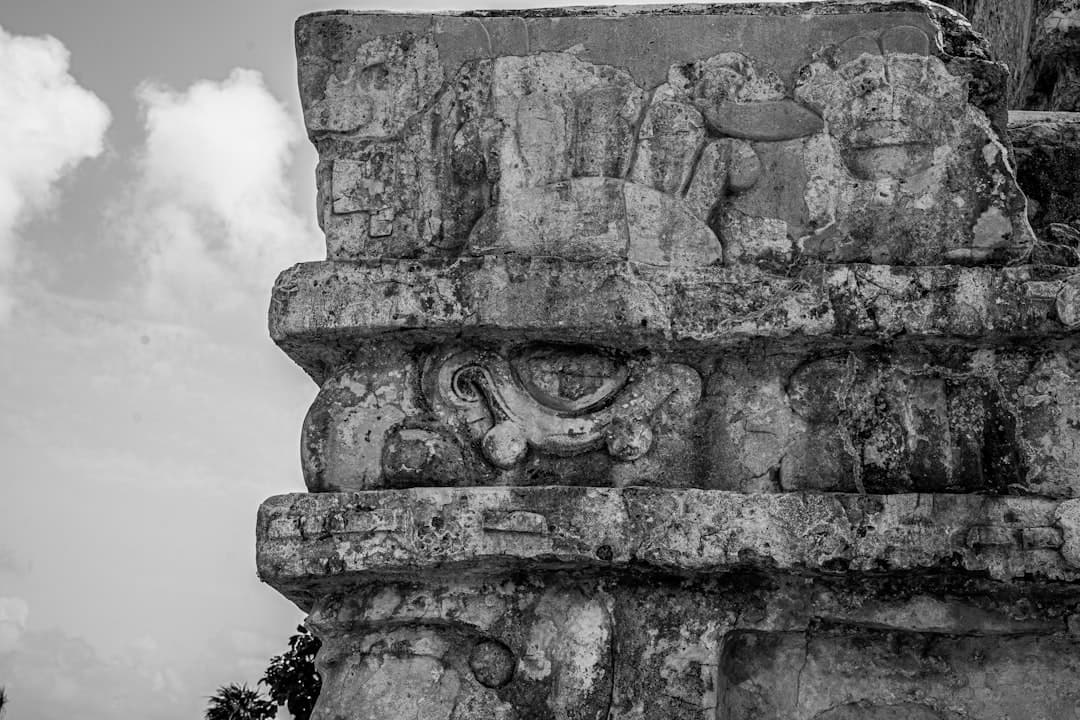
The Tulum Ruins are a remarkably well-preserved Mayan walled city built around 1200 AD, making them one of the last major Mayan sites to be inhabited before Spanish contact. Perched on a 12-meter limestone cliff directly above the turquoise Caribbean Sea, they occupy one of the most dramatically beautiful settings of any archaeological site in the Americas. The ruins served as an important trading port, and the combination of ancient stonework and vivid blue water makes it visually unlike anywhere else you'll visit in Mexico.

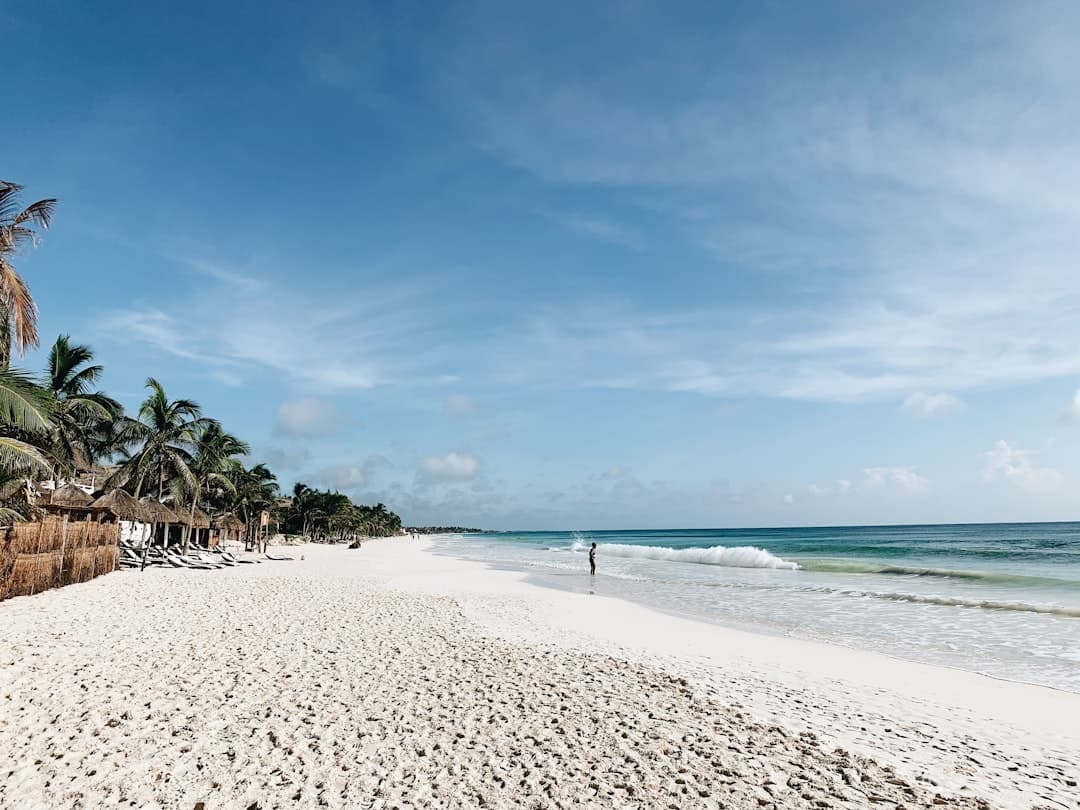
Visiting means walking through a compact but rich cluster of structures — the iconic El Castillo temple dominates the clifftop, while the Temple of the Descending God and the Temple of the Frescoes contain some of the most intact original painted murals of any Mayan site. Iguanas are everywhere, sunbathing on stone walls without a care. At the base of the cliff, a small beach sits inside the ruins — you can actually swim here, which is genuinely surreal. The site is enclosed by a large stone wall on three sides, and you'll walk a clear path through the grounds at your own pace.

The ruins open at 8am, and getting there when the gates open is the single most important piece of advice anyone can give you — by 10am tour buses from Cancún and Playa del Carmen arrive en masse and the site becomes genuinely crowded. There's a shuttle train from the main parking area to the entrance, or a short walk. Hiring a licensed guide at the entrance is worth the cost; the context they provide on the murals and the site's trading history adds real depth to what would otherwise be a scenic but confusing stroll.
Local Tips

  1. 1

    Get there at 8am when it opens — the difference between the ruins at 8:15am and 10:30am is night and day in terms of crowds and atmosphere.

  2. 2

    The small beach inside the ruins (accessed via a staircase near El Castillo) is swimmable — bring a swimsuit and a dry bag if you want to take a dip with a Mayan temple behind you.

  3. 3

    Licensed guides wait at the entrance and are well worth hiring — a guided visit to the Temple of the Frescoes murals with proper context is far more rewarding than guessing at what you're seeing.

  4. 4

    There's no shade on much of the site and the sun reflects off the limestone — a wide-brimmed hat and reef-safe sunscreen are not optional if you visit outside of early morning.

When to Go

Best times
December – April

Dry season means reliable weather and lower humidity, ideal for exploring the open site. Trade winds keep temperatures comfortable. This is peak tourist season so arrive early.

8:00 AM opening

Arriving at opening is transformative — you get golden morning light, cooler temperatures, and the site nearly to yourself before tour buses arrive around 10am.

Try to avoid
July – October

Hurricane season brings occasional heavy rain and high humidity. The site can be uncomfortably hot and wet, and sudden storms can cut visits short. September and October carry the highest storm risk.

Late morning onwards

By 10:30–11am the site fills dramatically with large guided tour groups from Cancún and the Riviera Maya. Heat and crowds combine to make the experience significantly less enjoyable.

Why Visit

01

The only major Mayan ruin site in Mexico built directly on a sea cliff — the views from El Castillo down to the Caribbean are extraordinary.

02

The Temple of the Frescoes contains rare original Mayan painted murals that survived centuries largely intact, offering a window into pre-Columbian art and religion.

03

You can swim at a small beach inside the ruins themselves — an experience that is equal parts bizarre and unforgettable.