Tower of London
Nine centuries of royal power, imprisonment, and execution in one riverside fortress.
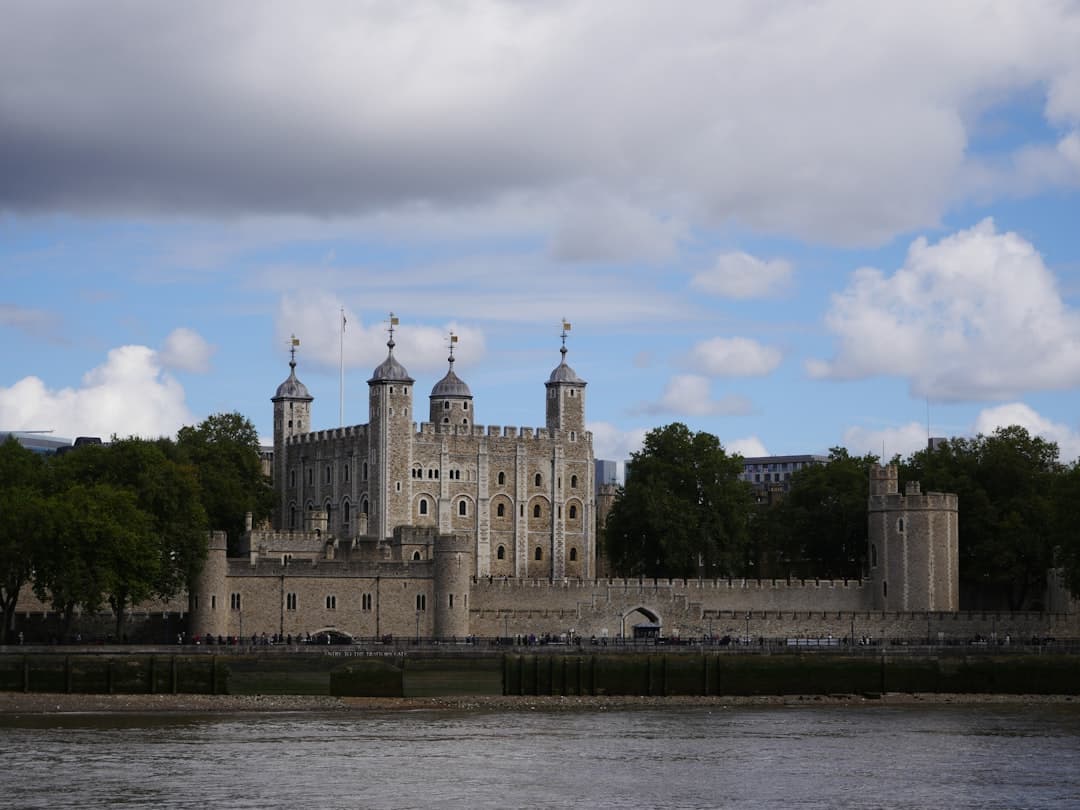
The Tower of London is a medieval castle complex sitting on the north bank of the Thames, built by William the Conqueror starting in 1078. It's served as a royal palace, a prison for high-profile captives including Anne Boleyn and Sir Walter Raleigh, a place of execution, a treasury, and even a royal menagerie. Today it's one of the most visited historic sites in Britain and a UNESCO World Heritage Site — not because it's been polished into a theme park, but because it has genuinely been at the centre of English history for nearly a thousand years. The weight of that history is palpable when you're standing in it.
The main draws are the Crown Jewels — the actual working regalia used at coronations, including the Imperial State Crown set with over 2,800 diamonds — and the Yeoman Warder tours, led by the Tower's resident guards (known as Beefeaters), who have lived within the walls for centuries. Their guided walks are funny, theatrical, and packed with gory detail. You'll also want to explore the White Tower, the oldest Norman keep, which houses a serious collection of royal armour, and the medieval execution site on Tower Green where figures like Anne Boleyn and Lady Jane Grey were beheaded. The ravens — kept here by royal decree with the legend that the kingdom will fall if they ever leave — are a genuine highlight.
Buy tickets online in advance; the queues for walk-up entry can be brutal, especially in summer. Tuesdays through Saturdays the gates open at 9am, which is when you want to arrive — the Crown Jewels are significantly less crowded in the first hour. The Yeoman Warder tours are free with entry and leave from the main gate roughly every 30 minutes; don't skip them. Last entry is around 5pm, and the site closes at 5:30pm.