
Uluwatu Temple
Bali / Uluwatu Temple

Uluwatu Temple

A clifftop Hindu sea temple perched 70 meters above the Indian Ocean.

🏛️ Sights & Landmarks🌿 Nature & Outdoors🎭 Arts & Entertainment
🧗 Adventurous🎭 Cultural🌹 Romantic

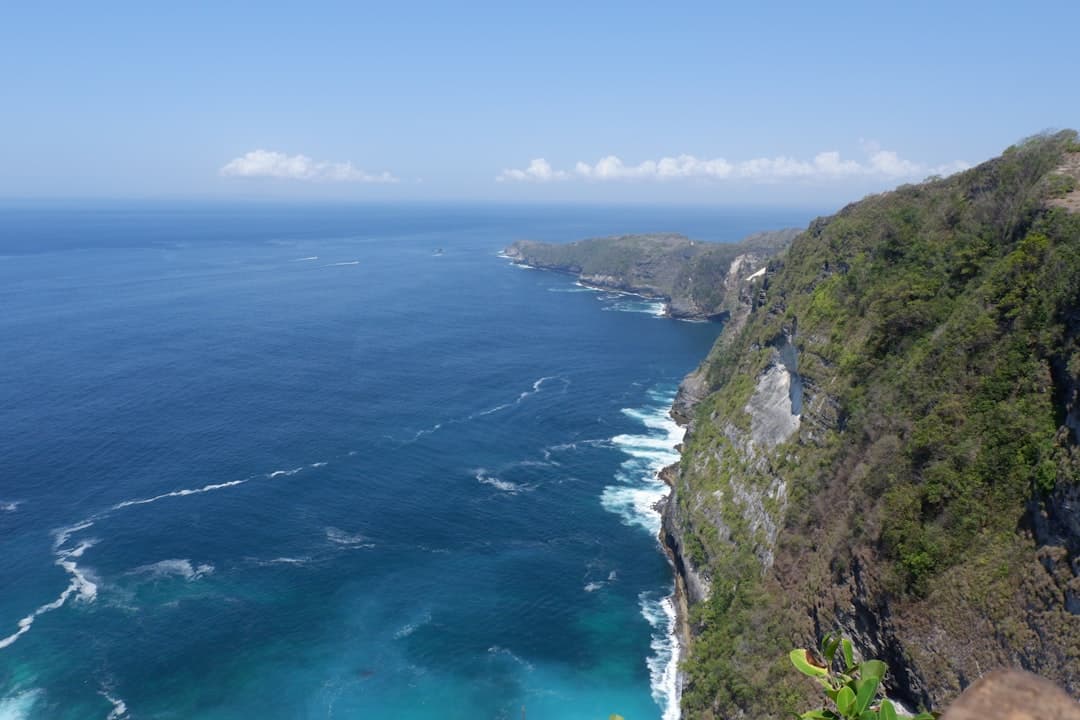
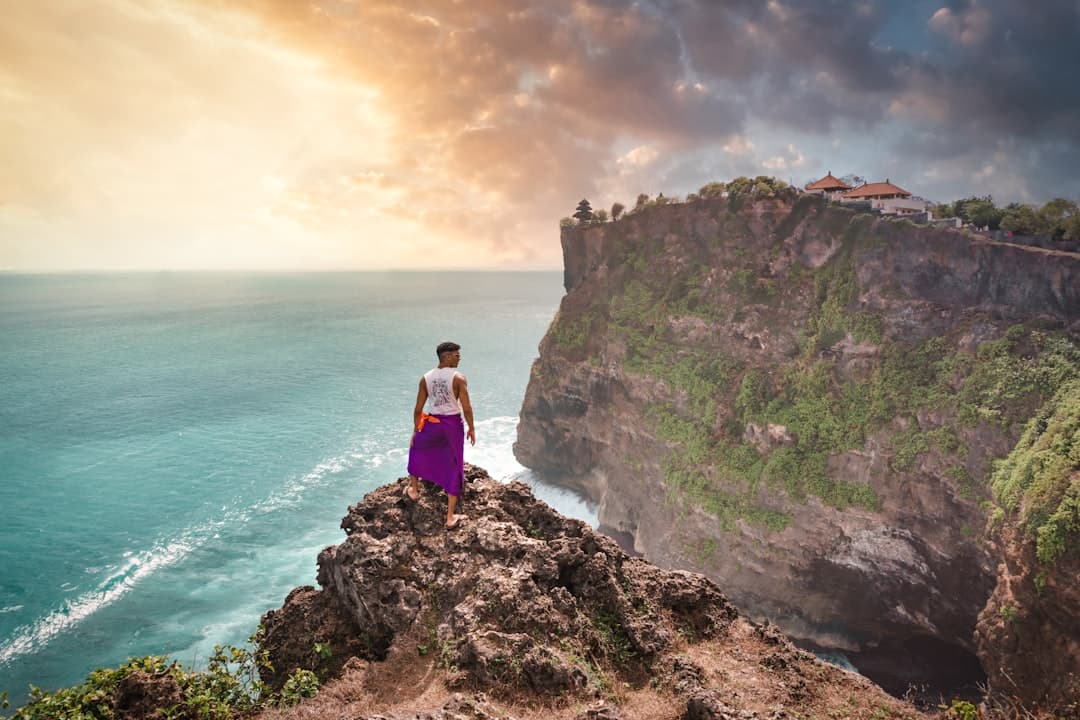
Pura Luhur Uluwatu is one of Bali's six sacred kayangan jagat temples — spiritual pillars believed to protect the island from evil spirits. Built in the 11th century and expanded in the 16th by the Javanese priest Dang Hyang Nirartha, it sits at the southwestern tip of the Bukit Peninsula, wedged into the edge of a sheer limestone cliff with nothing but ocean below. For Balinese Hindus, this is a place of deep religious significance, not just a scenic lookout — ceremonies and prayers happen here regularly, and the temple remains an active place of worship.

Visitors walk a forested clifftop path that curves around the headland, passing through carved stone gates draped in black-and-white poleng cloth. The temple complex itself is off-limits to non-worshippers, but the views from the surrounding walkways are staggering — the cliffs drop straight into foaming surf, and on a clear day the horizon stretches endlessly. The grey stone shrines against the blue sky is one of those genuinely iconic images of Bali. Most evenings, a Kecak fire dance performance is staged on an open-air clifftop platform just outside the temple, silhouetted against the sunset. It's theatrical, ritualistic, and genuinely spectacular.

The sunset timing is everything here. Arrive at least an hour before dusk to find a good spot on the cliff paths and to catch the Kecak performance, which typically starts around 6pm. Watch your belongings — the resident monkeys are bold, fast, and specifically attracted to glasses, sunglasses, and anything shiny. Staff are on hand with long sticks to help retrieve stolen goods, but better not to test it. Sarongs and sashes are required to enter and are available at the gate for a small deposit if you don't have your own.
Local Tips

  1. 1

    The monkeys here are notorious thieves. Remove your sunglasses and secure any loose items before you enter — they will snatch glasses right off your face and won't give them back without a food negotiation.

  2. 2

    Tickets for the Kecak fire dance are purchased separately from the temple entrance fee, at a booth near the performance area. Buy them as soon as you arrive — the show regularly fills up.

  3. 3

    The viewing platforms on the southern side of the cliff path are less crowded than the main temple-facing spots and offer equally dramatic views, often with far fewer people in your photos.

  4. 4

    The road up to Uluwatu from Seminyak or Kuta takes 45–60 minutes. Many visitors combine a sunset trip here with dinner at one of the warung-style cliffside restaurants nearby — Nyang Nyang or the strip at Single Fin in Uluwatu village are both close.

When to Go

Best times
May to September (Dry Season)

Clear skies make for the best sunsets and unobstructed ocean views. This is peak season, so expect larger crowds at the Kecak performance — arrive early to secure a good vantage point.

Late afternoon, around 4:30–5:00 PM

Arriving 90 minutes before sunset gives you time to explore the paths, secure a spot for the Kecak performance, and not feel rushed. The light on the cliffs and temple structures in the golden hour is extraordinary.

Try to avoid
October to March (Wet Season)

Afternoon storms can roll in quickly and obscure the sunset. The Kecak performance may be cancelled if it rains, and the cliff paths can be slippery. The upside is noticeably thinner crowds.

Why Visit

01

One of Bali's oldest and most sacred temples, dramatically positioned on a sheer 70-meter cliff above the ocean.

02

The Kecak fire dance performed here at sunset — over 50 men chanting in hypnotic unison against a backdrop of crashing waves — is unlike anything else on the island.

03

The clifftop walking paths offer some of the most photographed coastal scenery in all of Southeast Asia.