Tower Bridge
London / Tower Bridge

Tower Bridge

Victorian engineering marvel with glass walkways 42 metres above the Thames.

🏛️ Sights & Landmarks🎯 Activities & Experiences
👨‍👩‍👧 Family-friendly🎭 Cultural🌹 Romantic

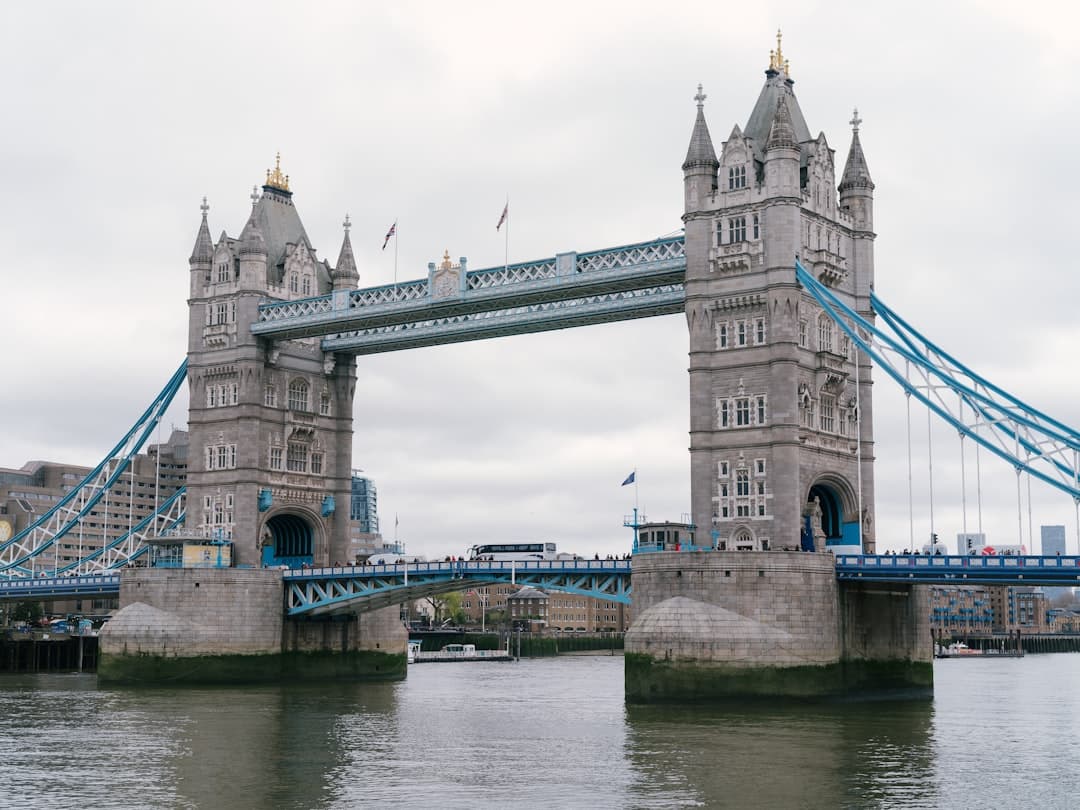
Tower Bridge is one of the most recognised structures in the world — a Victorian bascule and suspension bridge that has spanned the Thames since 1894. Despite being commonly mistaken for London Bridge (a persistent mix-up that has confused tourists and, famously, at least one American buyer of the wrong bridge), Tower Bridge is the one with the twin Gothic towers, the blue ironwork, and the hydraulic lifting mechanism that still raises the roadway to let tall ships through. It sits at the eastern edge of the City of London, just downstream from the Tower of London, and it remains a working bridge that carries traffic every day.

The Tower Bridge Experience, as the ticketed attraction is called, takes you inside the structure itself. You walk the high-level glass-floored walkways connecting the two towers at 42 metres above the river — look down and you'll see buses, cyclists, and the occasional tall ship beneath your feet. The engine rooms down at river level house the original Victorian steam-powered hydraulic machinery, which was used to raise the bridge until 1976, and the exhibition explains how the whole mechanism works with surprising clarity. The bridge still lifts around 800 times a year; if you time your visit right, you can watch the roadway rise for a passing vessel.

Book tickets online in advance — walk-up queues can be substantial in summer, and the timed-entry system means you could wait longer than you'd like otherwise. The views from the walkways are genuinely spectacular and worth the modest entry fee, but the bridge itself is free to cross on foot at any time. For the best overall experience, combine a visit with a walk south along the riverbank toward Bermondsey or north through St Katharine Docks, both within easy walking distance.

Local Tips

  1. 1

    Check the bridge lift schedule on the Tower Bridge website before your visit — lifts are listed days in advance, and timing your arrival around one is free to watch from either riverbank even without a ticket.

  2. 2

    The glass floor panels on the walkways make some people more nervous than they expect. There is no way to avoid them on the standard route, so if heights or glass floors are a concern, factor that in before you book.

  3. 3

    Crossing the bridge on foot is always free — if you just want the exterior views and the experience of walking across, you don't need to pay anything.

  4. 4

    Potters Fields Park, just on the south side of the bridge, is one of the best spots in London to photograph the bridge from river level, especially at blue hour on a clear evening.

When to Go

Best times
October–February

Crowds thin out considerably and the low winter light over the Thames makes for exceptional photography from the walkways. The bridge is well-heated inside so the cold is not a problem.

Early morning (opening time, 9:30 AM)

The first entry slots of the day are the quietest, and the morning light on the river is at its best for photos both from and of the bridge.

Try to avoid
June–August

Peak tourist season means the longest queues and the busiest walkways. Book well ahead and aim for a morning slot to avoid the worst of the crowds.

Why Visit

01

The glass-floored high walkways give you a vertigo-inducing view straight down to the Thames 42 metres below — one of London's more visceral vantage points.

02

The Victorian engine rooms contain the original hydraulic machinery that once powered the bridge lift, and they're genuinely fascinating even if you don't consider yourself an engineering enthusiast.

03

The bridge still opens for tall ships and river traffic — check the lift schedule on the Tower Bridge website and you can time your visit to watch the roadway rise in real time.