Tsukiji Outer Market
Tokyo / Tsukiji Outer Market

Tsukiji Outer Market

Tokyo's legendary seafood market, still buzzing long after the tuna left.

🛍️ Shopping🏛️ Sights & Landmarks🍽️ Food & Drink🎯 Activities & Experiences
🧗 Adventurous🍽 Foodie🎭 Cultural

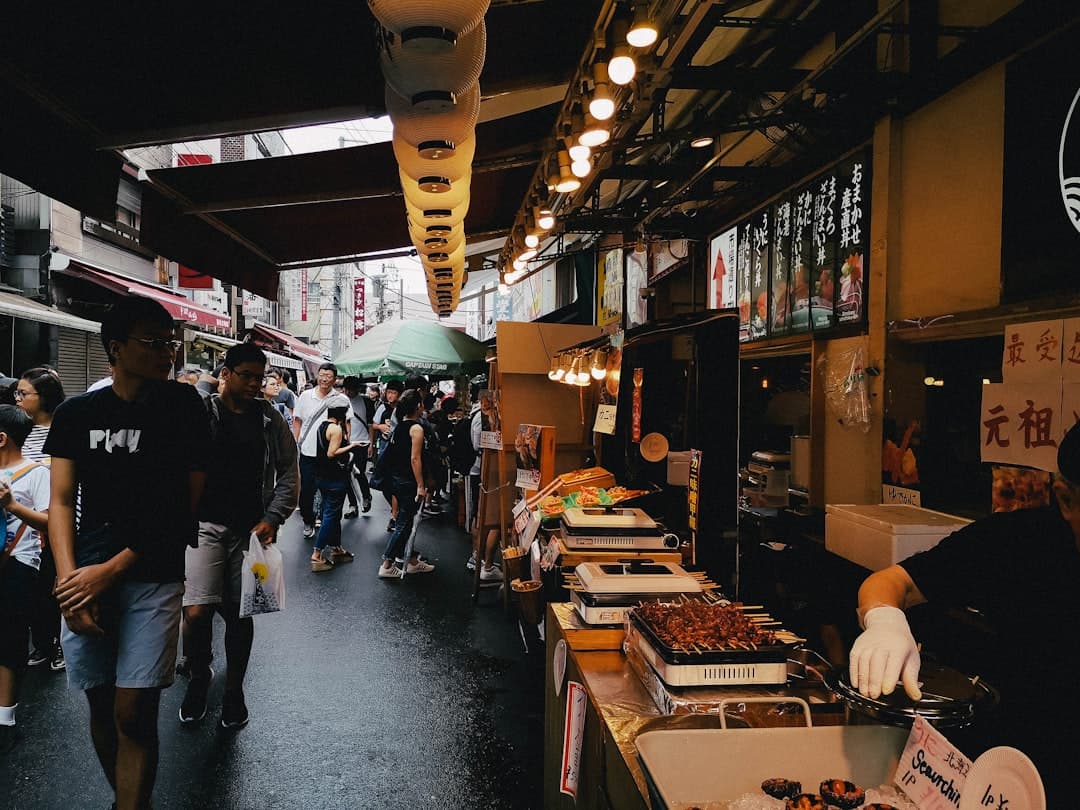
Tsukiji Outer Market is the surviving public-facing half of what was once the largest fish market in the world. When Tokyo moved its famous wholesale tuna auctions to the new Toyosu Market in 2018, many assumed Tsukiji would fade into irrelevance — it didn't. The outer market, which always operated separately from the inner wholesale halls, kept going and has doubled down on what it always did best: feeding people really well, really early in the morning. Today it remains one of the most concentrated and authentic food experiences in Tokyo, a maze of narrow lanes lined with vendors selling fresh seafood, tamagoyaki egg omelets, pickles, dried goods, street food, and professional-grade kitchen knives.

In practice, visiting means wandering a grid of cramped alleyways packed with small shops and stalls, most of which have been family-run for generations. You'll want to eat your way through — a skewer of grilled scallops here, a paper cup of sea urchin there, a warm tamago-yaki rolled fresh to order at Tamagoya. The market is mostly outdoors and gets genuinely crowded on weekends. The serious action starts before 9am, when the vendors are freshest, the crowds thinnest, and the sushi restaurants along the outer edges are just opening their shutters for the day.

The one thing that surprises first-time visitors: this is not a quiet, preserved heritage site. It's loud, commercial, and very much alive. Vendors will shout at you in a friendly way. Prices are reasonable but not cheap by Tokyo standards. Come hungry, arrive early, and budget time to browse the knife shops — places like Tsukiji Masamoto have been selling handmade blades to professional chefs for over a century and are genuinely worth a slow look even if you're not buying.
Local Tips

  1. 1

    Skip the tourist-facing sushi restaurants on the market perimeter and instead look for the tiny counter spots tucked inside the market lanes — they're almost always better and cheaper.

  2. 2

    The tamagoyaki (sweet egg omelet) at Tamagoya is a Tsukiji institution — the line looks daunting but moves fast, and the freshly rolled version eaten on the street is genuinely special.

  3. 3

    Bring cash. A handful of vendors accept cards now, but many of the best small stalls still operate cash-only.

  4. 4

    If you're eyeing a kitchen knife, don't rush — staff at shops like Tsukiji Masamoto speak enough English to help you find the right blade for how you actually cook, and buying here beats any cookware shop in the world.

When to Go

Best times
Early morning (before 9am)

The freshest product and the fewest crowds. Many vendors start selling out of premium items by mid-morning.

Try to avoid
Weekends

Extremely crowded on Saturday and Sunday — the lanes become nearly impassable by 10am. Still worth it, but arrive early.

Wednesday

Many stalls close on Wednesdays, which is the traditional rest day for much of the market. Check before planning a midweek visit.

New Year period (late December–early January)

Most of the market shuts down for the New Year holiday. The days just before New Year see festive crowds buying premium seafood, but closures begin around December 31.

Why Visit

01

Eat outrageously good street seafood — fresh uni, grilled scallops, tuna sashimi — all within a few hundred meters of each other.

02

One of the last places in Tokyo where old-school market culture survives, with family-run stalls that have been here for decades.

03

The knife and kitchen tool shops are world-class — this is where professional Japanese chefs buy their equipment.