Westminster Abbey
London / Westminster Abbey

Westminster Abbey

A thousand years of British history buried beneath one extraordinary Gothic roof.

🏛️ Sights & Landmarks🎭 Arts & Entertainment
👨‍👩‍👧 Family-friendly🎭 Cultural

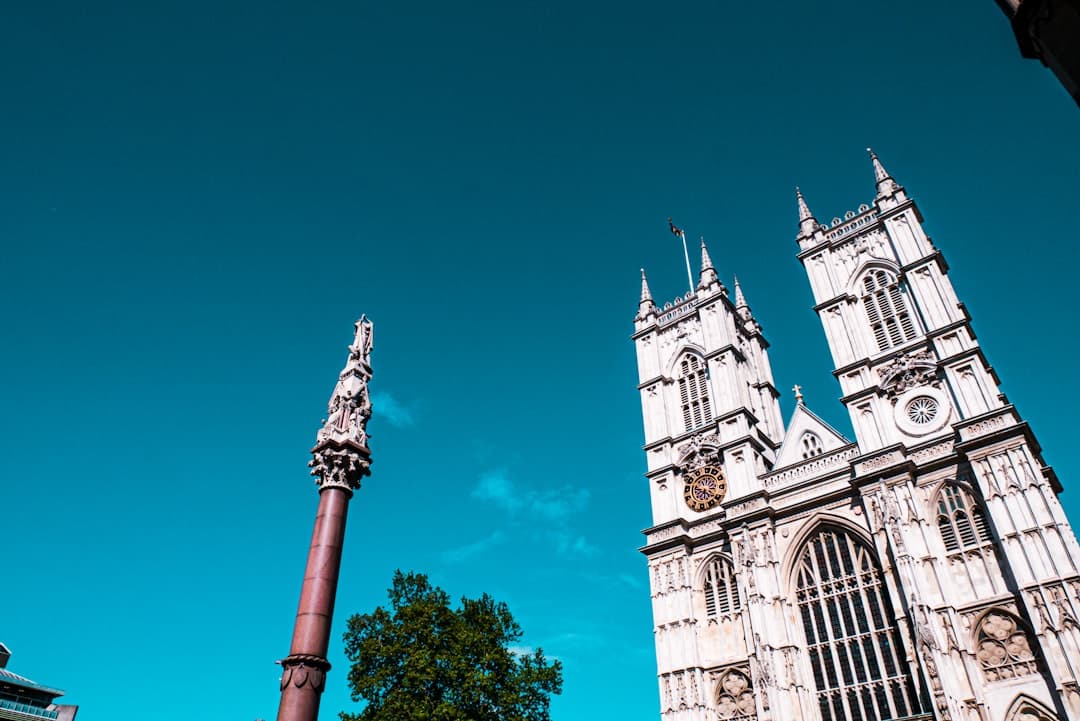
Westminster Abbey is one of the most historically significant buildings in the English-speaking world. Founded as a Benedictine monastery in the 10th century and rebuilt in its current Gothic form by Henry III in the 13th century, it has been the site of every English and British coronation since 1066 — 40 in total — and the final resting place of kings, queens, poets, scientists, and soldiers. If you want to understand who Britain thinks it is and who it wants to remember, this is the place to stand.

Inside, the sheer density of history is almost overwhelming. You walk through Poets' Corner, where plaques and tombs honor Chaucer, Dickens, Hardy, and Shakespeare (though Shakespeare is only commemorated here, not buried). You pass the Coronation Chair, used at nearly every coronation since 1308. The medieval cloisters offer a moment of quiet away from the main nave, and the Lady Chapel — formally the Chapel of Henry VII — features fan vaulting so intricate it looks like lace carved in stone. There are also tombs of Elizabeth I and Mary Queen of Scots, buried in the same building despite a famously hostile relationship. The audio guide, narrated by Jeremy Irons, is genuinely one of the better ones in London.

Westminster Abbey is an active working church, not just a museum, which affects how and when you can visit. Sunday services are free and open to the public, and attending one is a genuinely moving experience — the choir is world-class. On regular visiting days, entry is ticketed and the lines can be long if you arrive without a booking. The Abbey is closed to tourists on Sundays during services, so plan accordingly. Come early on a weekday to beat the school groups and tour buses.

Local Tips

  1. 1

    The audio guide narrated by Jeremy Irons is included in the ticket price — use it. It's one of the best in London and adds genuine depth to what you're seeing rather than just listing facts.

  2. 2

    If you want to experience the Abbey for free, attend Choral Evensong on Sunday afternoon (typically 3pm) or a weekday service. The choir is of cathedral standard and the setting is extraordinary.

  3. 3

    The medieval cloisters are included in the ticket but often overlooked — they're quieter than the main nave and give a real sense of the Abbey's monastic origins.

  4. 4

    Westminster Abbey and St Paul's Cathedral are both brilliant but very different — if you're choosing one, the Abbey wins on sheer historical density and intimacy; St Paul's wins on architectural grandeur and the view from the dome.

When to Go

Best times
Early weekday mornings (year-round)

The Abbey opens at 9:30am and the first hour is noticeably quieter before tour groups arrive. This is especially true on Tuesdays and Wednesdays.

Late autumn and winter (November–February)

Crowds thin significantly and the Gothic interior takes on a different, more atmospheric quality in lower light. Entry prices don't drop, but the experience improves.

Sundays

The Abbey is closed to paying visitors during Sunday services — but attending Choral Evensong (usually 3pm) or the morning service is free and a genuinely special experience if that's your intention.

Try to avoid
Summer (June–August)

Peak tourist season brings very large crowds and long queues, particularly around school holidays. Pre-booking is essential and even then expect crowds inside.

Why Visit

01

Every British monarch since William the Conqueror has been crowned here — the Coronation Chair and the space itself carry a weight that photos simply cannot replicate.

02

Poets' Corner alone is worth the entry fee: a walk-through gallery of British literary and cultural giants, from Chaucer to the Brontës, in a genuinely beautiful medieval setting.

03

The fan-vaulted ceiling of Henry VII's Lady Chapel is one of the finest examples of late Gothic architecture anywhere in the world — jaw-dropping even if you have no interest in architecture.