
İstiklal Caddesi
Istanbul / İstiklal Caddesi

İstiklal Caddesi

Istanbul's mile-long pedestrian artery pulses with the city's modern soul.

🛍️ Shopping🎶 Nightlife🏛️ Sights & Landmarks🍽️ Food & Drink🎭 Arts & Entertainment🏘️ Neighborhoods
🧗 Adventurous🍽 Foodie🎭 Cultural🌹 Romantic

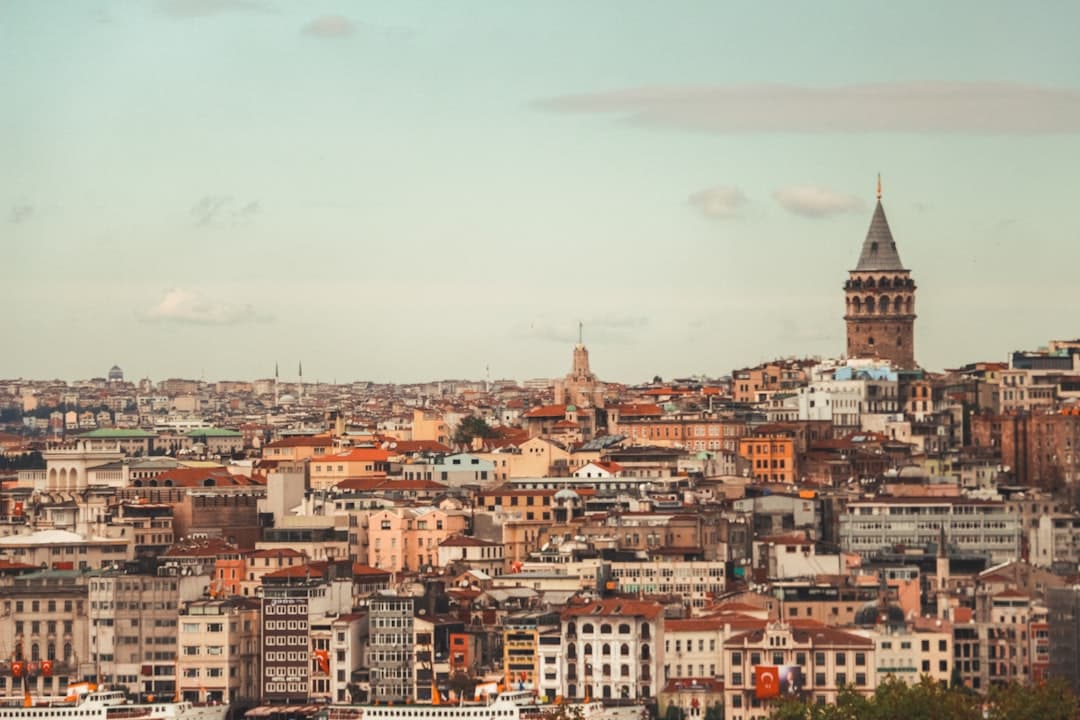
İstiklal Caddesi — Independence Avenue — is a 1.4-kilometre pedestrian street running through the heart of Beyoğlu, the historic European-influenced district on Istanbul's northern bank of the Golden Horn. Once the grand boulevard of Ottoman-era embassies and fin-de-siècle apartment buildings, it became the cultural and commercial center of modern Istanbul and still draws millions of visitors each year. The street is lined with 19th-century neoclassical and Art Nouveau buildings that now house everything from global chain stores to independent bookshops, art galleries, and some of the city's most beloved meyhanes — the traditional Turkish taverns where people eat meze and drink rakı late into the night.

Walking İstiklal is an experience in sensory overload, in the best possible way. A vintage red tram still trundles up and down the center of the street, more icon than transport at this point. Side alleys branch off into a labyrinth of passages — the historic Çiçek Pasajı flower market, the Balık Pazarı fish market, the covered arcade of Avrupa Pasajı — each one hiding a different Istanbul. Street musicians play everywhere, the smell of freshly baked simit mingles with roasting chestnuts in winter, and the evening crowd is a genuine cross-section of the city: students, families, tourists, and regulars who've been coming here for decades.

The street runs from Taksim Square at its northern end — anchored by the Republic Monument — down to the historic Tünel funicular terminus, one of the world's oldest underground railways, at its southern end. The southern stretch toward Galata tends to be quieter and more interesting than the heavily commercialized northern section near Taksim. Come in the evening when the street reaches full energy, avoid Saturday afternoons if you're crowd-averse, and save time to duck into the side streets — Nevizade Sokak for meyhane dining, Asmalımescit neighborhood for a more local bar scene.
Local Tips

  1. 1

    The northern section near Taksim is the most crowded and most commercial — the street gets noticeably more interesting as you walk south toward Galata, so don't turn back at the halfway point.

  2. 2

    Duck into Çiçek Pasajı for a look but eat in the Balık Pazarı fish market stalls just behind it or on Nevizade Sokak for more authentic and better-value meyhane dining.

  3. 3

    The Tünel funicular at the southern end of İstiklal is one of the world's oldest underground railways, dating to 1875 — it's a two-minute ride but worth taking for the history alone, and connects you straight down to Karaköy and the waterfront.

  4. 4

    Street pickpocketing is a known issue on busy stretches, especially around Taksim end — keep bags in front, avoid phone-browsing while walking in dense crowds.

When to Go

Best times
December–February

Winter evenings are atmospheric — roasting chestnut vendors appear on every corner, Christmas and New Year decorations light up the facades, and the street is busy but not suffocating.

Spring (April–May)

Pleasant temperatures, blooming window boxes on the historic buildings, and manageable crowds make this the most comfortable time to explore at length.

Try to avoid
July–August

Peak summer brings enormous crowds, especially on weekends. The heat can make the dense, sun-exposed stretch near Taksim genuinely unpleasant midday.

Saturday afternoons

The street reaches near-impassable density on Saturday afternoons year-round. Unless experiencing the chaos is the point, come on a weekday or Sunday morning instead.

Why Visit

01

The street itself is a living museum of late Ottoman and early Republican architecture — ornate 19th-century facades shelter everything from bookshops to jazz bars.

02

The web of historic covered passages and side streets branching off İstiklal rewards wandering: fish markets, antique shops, meyhanes, and tucked-away cafés that most visitors miss entirely.

03

At night the boulevard transforms into one of the great urban promenades in Europe — the red tram still runs, street performers fill the pavements, and the energy is completely electric.