
Chandni Chowk
Delhi / Chandni Chowk

Chandni Chowk

400 years of history, spice, and chaos packed into one legendary street.

🛍️ Shopping🏛️ Sights & Landmarks🍽️ Food & Drink🎯 Activities & Experiences🏘️ Neighborhoods
🧗 Adventurous🍽 Foodie👨‍👩‍👧 Family-friendly🎭 Cultural

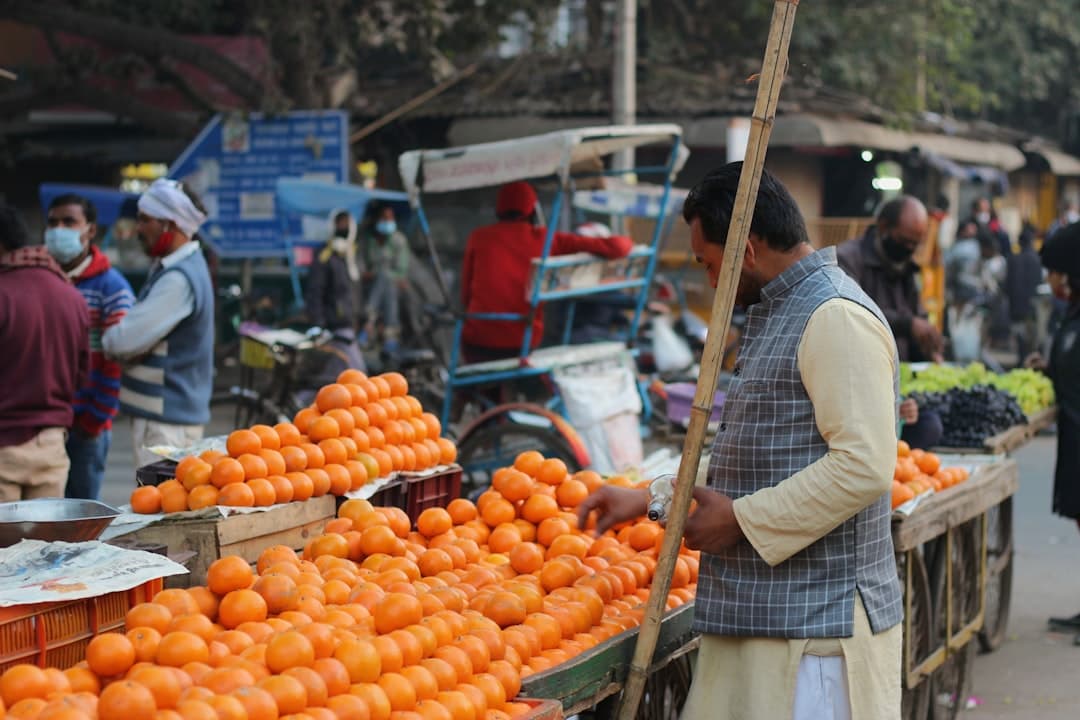
Chandni Chowk is one of the oldest and busiest markets in Asia, built in the 17th century by Mughal Emperor Shah Jahan when he moved his capital to Delhi. Running straight from the Red Fort westward through the heart of Old Delhi, it was originally a grand boulevard with a canal running down its center — the name means 'moonlit square' or 'moonlit crossroads,' a reference to the reflections on that canal. Today it's a sensory thunderclap: rickshaws, motorbikes, handcarts, and pedestrians all competing for space on a narrow lane flanked by crumbling havelis, Jain temples, mosques, and thousands of specialist wholesale shops that have been selling the same things for generations.

The experience is less a stroll and more an immersion. The main street branches off into a web of gallis — alleyways — each dedicated to something different. Kinari Bazaar sells wedding ribbons and embroidery. Dariba Kalan is the silver and jewelry lane. Khari Baoli, just off the main drag, is Asia's largest spice market, where sacks of dried chillies, cardamom, and turmeric stack up to the ceiling. You eat as you walk: jalebis fried at Old Famous Jalebi Wala, which has been at it since 1884; parathe at Paranthe Wali Gali; and kulfi and rabri at shops that haven't changed their recipes in living memory.

Come early in the morning — by 7am on weekdays the lanes are already busy but manageable — and avoid Sunday when many shops are closed. The main street itself is now pedestrianized in stretches, which helps, but the side lanes are still wonderfully chaotic. Hire a cycle rickshaw to cover ground faster, then abandon it and walk when something catches your eye. The crowds and the sensory overload are the point, not a problem to be solved.

Local Tips

  1. 1

    Don't try to drive in — take the Delhi Metro to Chandni Chowk station on the Yellow Line and walk out directly into the action. Parking is a nightmare and rickshaws navigate the lanes far better than any car.

  2. 2

    Old Famous Jalebi Wala at the corner of Dariba Kalan has been frying jalebis since 1884 — arrive before 9am when they're hottest and the queue is shortest.

  3. 3

    Paranthe Wali Gali (the alley of stuffed flatbreads) is a must, but the quality varies between stalls — Pt. Kanhaiyalal Durga Prasad Dixit is one of the most established names in the lane.

  4. 4

    Watch your pockets and bags in the most crowded sections — Chandni Chowk is busy enough that pickpocketing is a known issue, particularly on the main street during peak hours.

When to Go

Best times
October to March

The cool, dry winter months are by far the most comfortable time to navigate the dense crowds and outdoor lanes. Temperatures are pleasant and the air is cleaner than summer.

Early morning (7am–10am)

The best time of day regardless of season — light is beautiful, crowds are thinner, food stalls are fresh and at their best.

Try to avoid
April to June

Delhi's brutal pre-monsoon heat — regularly above 42°C — makes wandering the crowded, narrow lanes genuinely exhausting and uncomfortable.

July to September

Monsoon rains make the unpaved side lanes muddy and slippery, and some alleyways flood. Humidity is oppressive.

Why Visit

01

Khari Baoli, Asia's largest spice market, is an assault on the senses unlike anything else — mountains of dried herbs and spices in an alley that smells like it was built from cardamom.

02

The food here is legendary and ridiculously cheap — century-old shops serving jalebis, stuffed parathas, and kulfi that visitors and Delhiites alike queue for every single day.

03

The architecture and street life give you a living slice of Mughal-era Delhi — crumbling havelis, hidden temples, and the Red Fort looming at the end of the road.