
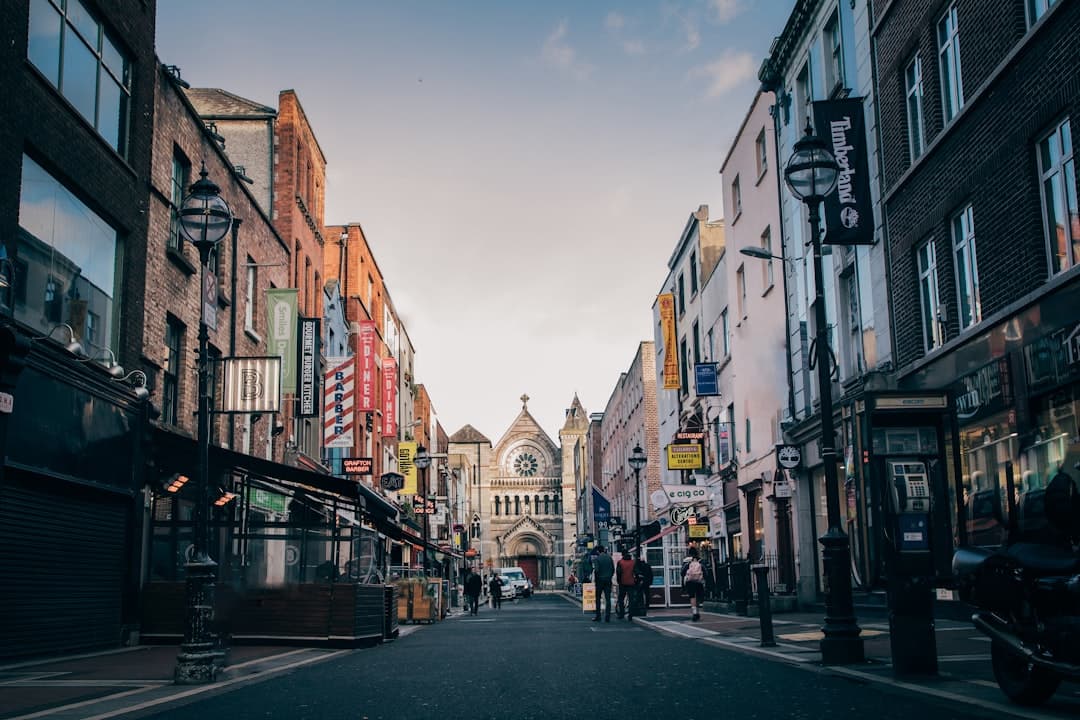
Dublin Castle
Dublin / Dublin Castle

Dublin Castle

Seven centuries of Irish history packed into one remarkable castle complex.

🏛️ Sights & Landmarks🎭 Arts & Entertainment
👨‍👩‍👧 Family-friendly🎭 Cultural

Dublin Castle isn't really a castle in the fairy-tale sense — it's a sprawling medieval-to-Georgian complex that served as the administrative heart of British rule in Ireland for over 700 years. Built on the site of a Viking settlement, it was the seat of the Lord Lieutenant of Ireland until 1922, when the keys were ceremonially handed to Michael Collins and Irish independence began. Today it functions as a state venue still used for presidential inaugurations and EU summits, while being open to visitors who want to understand how Ireland was governed — and eventually liberated from — one of history's most powerful empires.

Visitors explore the State Apartments, which are genuinely spectacular — gilded rooms, Waterford crystal chandeliers, and the Throne Room where British monarchs once held court. The Undercroft is particularly striking: descend beneath the cobblestoned Upper Yard and you'll find the excavated remains of the original Viking-era defensive wall and the old moat, still visibly intact. The Chapel Royal, completed in 1814, is a beautiful piece of Gothic Revival architecture with intricate limestone carvings and an ornate interior. Guided tours are available and add real depth to what you're seeing.

The castle sits right in the medieval core of Dublin, steps from Dame Street and the Cultural Quarter. Tours run regularly and the last admission is around 5:15pm — arrive by 4:30pm at the latest if you want to do it properly. The Revenue Museum in the castle grounds is free and often overlooked, covering Irish customs and tax history in a surprisingly engaging way. On State occasions parts of the castle may close without much warning, so it's worth checking ahead if you have a specific date in mind.

Local Tips

  1. 1

    The guided tour is worth the extra few euros — the State Apartments without context are pretty rooms; with context, they're a lesson in colonial power and its collapse.

  2. 2

    Don't skip the Undercroft. Many visitors rush past it or don't even realise it exists, but the preserved Viking walls and medieval moat are genuinely impressive and rarely crowded.

  3. 3

    The Chester Beatty Library, located in the castle gardens, is one of the finest small museums in Europe and entry is free — easily combined with a castle visit.

  4. 4

    Last entry is around 5:15pm but tours take 45–60 minutes, so aim to arrive no later than 4:00pm if you want to do a full guided round without feeling rushed.

When to Go

Best times
Summer (June–August)

Peak tourist season means the guided tours fill up quickly and the Upper Yard gets crowded. The gardens are at their best but queues are longer.

Late morning on weekdays

Crowds are thinner on weekday mornings — the first couple of tours of the day are noticeably quieter than afternoon visits.

Try to avoid
State occasions and EU events

Parts of the castle can close to visitors at short notice when it's being used for presidential inaugurations or international summits. Worth checking the official site before visiting.

Why Visit

01

The State Apartments are among the grandest Georgian interiors in Ireland — opulent, immaculately preserved, and historically loaded.

02

The Undercroft reveals genuine Viking-age archaeology right beneath your feet, a rare chance to see medieval Dublin literally exposed.

03

This is ground zero for Irish independence — the actual place where British rule ended in 1922, making it essential context for understanding modern Ireland.